
Say hello to the next wave of Chattanooga leadership.
They’re traveling the globe, building businesses, swimming with sharks and helping raise money for causes that matter.
While they’re definitely climbing career ladders, they’re also looking beyond their personal success. Through community involvement and day-to-day leadership, each of them is working to make Chattanooga a better place to live.
In our book, that’s a winning combination. If you see them around town, be sure to congratulate the members of the 2026 class of 20 Under 40 honorees!
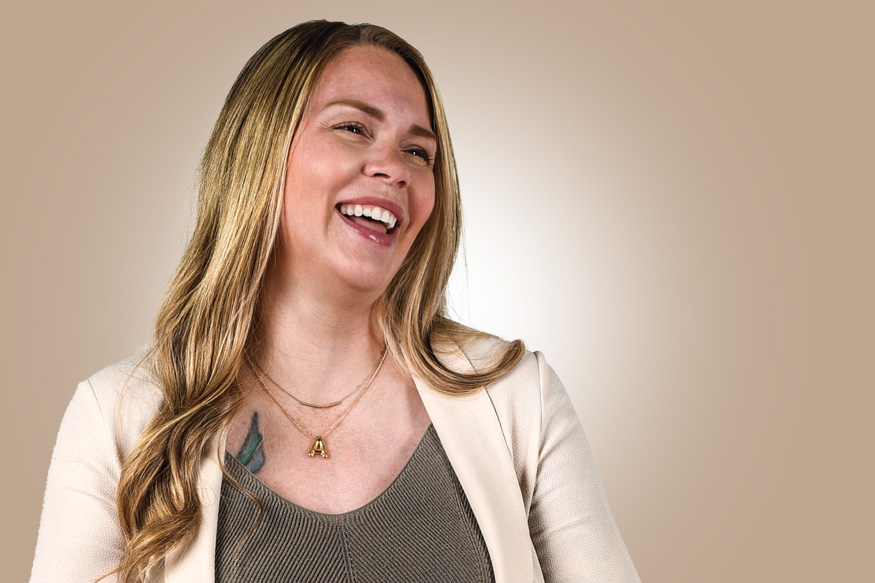
Alyse Anderson, 39
Senior Vice President and Private Banking Credit Officer, SmartBank
Alyse Anderson oversees private banking credit decisions, bringing experience in underwriting, lending and community banking. She is also a long-time volunteer with Big Brothers Big Sisters of Chattanooga and was named the 2023 Match of the Year. Next year she hopes to start a free support group for those struggling with infertility.
How did you decide on your career path?
I hate math. I was never good at it. Somehow I ended up in finance. I majored in agriculture in college, and my first career out of school was in agricultural lending. This started my trajectory into banking.
What action or strategy has propelled your career the most?
I work hard. I show up. I go the extra mile. I speak out about problems or injustices. I speak up on topics that affect others around me. This type of work ethic is hard to ignore, and I’ve been promoted over and over due to my inability to “go with the flow.” I get the job done, but I come prepared with enhancements.
Do you have a career mentor? If so, what’s one lesson that’s stayed with you?
I’ve been fortunate to have several amazing mentors in my lifetime. At present, my direct leader has been a mentor and a great example of management. Additionally, in my bank, we have a mentorship program that I was part of in 2024-25. My chief people officer at SmartBank led to me to many personal wins and success during our season together.
What’s your one hope for Chattanooga?
My one hope for Chattanooga is unity. We have a culturally diverse population, and I have seen time and time again how we’ve come together. Chattanoogans should embrace our strong community!
In what ways are you seeing AI change the work you do?
I was an early embracer of AI, however, I still see hesitancy from some. AI will help make the work we engage in as a bank more efficient. I think the most important things to hold onto is intuition and compassion. As long as we still have those, AI is just another tool that will launch us into a future of strong leadership and capability. Community banks are here to serve.
What is your guiding leadership philosophy?
Lead with competence, humanity and ownership while developing others to rise with you.
What’s a fun fact about you that most people wouldn’t know?
I graduated with a degree in agriculture from Middle Tennessee State University when I was 27! (I started college when I was 23.)
What makes a perfect weekend in the Chattanooga area?
The Lookouts games have been a perfect outing for my little family. The new stadium is top notch. I also love brunch! I think Chattanooga has a fantastic brunch scene. With most places charging $2 for mimosas, you cannot pick a bad spot.
What’s the last book you read or movie/series you watched?
“The Year of Magical Thinking” by Joan Didion, and the series “The Testaments.”
If you could add one thing to the city, what would it be — and why?
I may get hate for this, but I think we’re lacking in the donut industry. We need a solid, classic donut shop, you know, one of those famous “hole in the wall” type places! I’ve yet to try a donut in this city that I absolutely love.
When you have visitors in town, where do you take them?
Easy Bistro is my top choice to take someone visiting that has an elevated taste for food. Otherwise, we love taking friends and family to Champy’s and Clumpies. I have toddlers, so most of my activities revolve around Chattanooga’s kid-friendly scene. However, when I get a day off here and there, I enjoy taking people down the Ocoee River. How cool is it to have that in Chattanooga’s backyard!
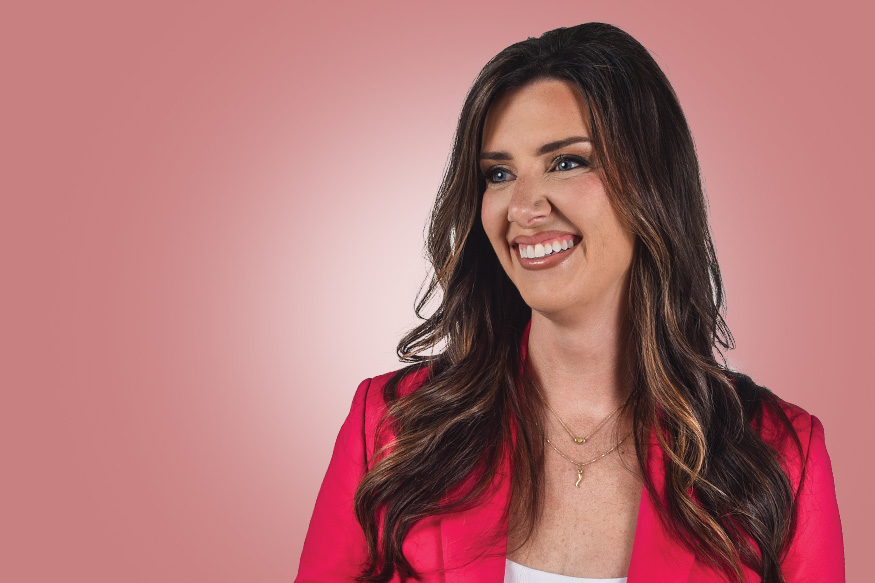
Sarah Arata Kahr, 37
Account Executive, Smurfit Westrock
Sarah Arata Kahr is an account executive at Smurfit Westrock, where she helps retail brands drive growth through innovative merchandising solutions. She served as president of the Junior League of Chattanooga and founded its annual Touch-A-Truck fundraiser. Kahr serves on the board of Scenic City Clay Arts, mentors refugees with Bridge Refugee Services, and teaches environmental sustainability in local schools while supporting nonprofits including Northside Neighborhood House, the Faith Co-Op and The House.
How did you decide on your career path?
I didn’t follow a traditional or linear path into my career. After graduating college, I moved back to Las Vegas unsure of what I wanted to do next. A role fell into my lap as a project manager at a 300‑person print company headquartered in Chattanooga, and shortly after, I was transferred to the corporate office. That move ended up being a turning point for me.
Over time, my role naturally evolved from project management into sales as I realized I was most energized by building relationships and solving problems for my clients. As the company went through multiple acquisitions and mergers, it grew into a global organization of more than 100,000 employees. That growth opened doors for me to take on new challenges, expand my responsibilities, and continue moving forward in my career.
Today, I’m confident that sales is where I do my best work — connecting with people, building trust and partnering with clients to create solutions that deliver real, long‑term value.
What action or strategy has propelled your career the most?
The strategy that’s propelled my career the most is simple: you must be present to win.
I transitioned into outside sales in 2020, at the height of COVID — when nobody was meeting in person and sales was a completely new ballgame for me. I had to learn how to build trust, understand clients, and sell virtually, which pushed me to be more intentional and thoughtful in how I showed up.
As the years have gone on, one thing has become very clear: relationships are built by showing up. People don’t always ask for help the moment they need it — but when you’re present, consistent and visible, it opens the door for honest conversations. In‑person will always be where I do my best work. That’s when clients open up about challenges they may not have fully defined yet, and I can step in to help solve real problems.
Do you have a career mentor? If so, what’s one lesson that’s stayed with you?
I’ve had a few mentors over the course of my career, and the most important lesson that’s stayed with me is to lead with authenticity. I’ve learned that fostering genuine relationships and showing up as myself with clients is my superpower.
Developing a way to communicate my value that’s confident — but not overly salesy — is what sets me apart. Clients choose to work with me because they trust me, and that trust comes from being real, consistent and relationship‑driven. Authenticity is everything.
What’s your one hope for Chattanooga?
My hope for Chattanooga is that it continues to grow at a sustainable, thoughtful pace that creates a strong foundation for long‑term success. That means investing in the things that truly shape quality of life — smart infrastructure, strong and equitable schools, and responsible development as a nationally recognized park city.
Most importantly, I hope that growth translates into opportunity and a higher quality of life for all citizens, ensuring Chattanooga remains a place where people can live, work and thrive for generations to come.
In what ways are you seeing AI change the work you do?
AI has changed how I prepare and show up in my role — in a really positive way. It allows me to move faster and think smarter — whether that’s digging into client research, understanding consumer behavior and trends, or coming to conversations with stronger insights and ideas.
Looking ahead, I see AI continuing to elevate the quality of sales, not just the efficiency. It gives me more time to focus on what matters most: building relationships, being present with clients, and collaborating on better solutions. The more AI handles the prep and analysis, the more value I can bring as a strategic, human partner.
What is your guiding leadership philosophy?
Servant leadership, a principle that’s been instilled in me from a young age and shaped by my faith. I believe leadership starts with humility — putting people first, listening before leading, and showing up consistently to serve others. For me, leadership isn’t about titles or authority, but about responsibility, trust and stewardship.
That foundation guides how I lead teams, serve on boards, and work with clients. I strive to lead with empathy, integrity, and a genuine commitment to helping others succeed. When people feel seen, supported and valued, they’re empowered to do their best work.
What’s a fun fact about you that most people wouldn’t know?
Before my sales career, I competed as a nationally ranked Irish step dancer and clogger — my final performance was on a cruise ship to the Bahamas.
What makes a perfect weekend in the Chattanooga area?
A perfect weekend in Chattanooga starts slow and stays local. Friday night is dinner at Fiamma or Pizza Bros with my husband — good food, great wine, no rushing. Saturday morning usually kicks off with a hike on Signal Mountain with my parents and my dog, Tucker, followed by brunch with girlfriends and a few hours antiquing at Dirty Jane’s. If it’s baseball season, nothing beats a Lookouts game on a Saturday night. Sunday starts with church, then winds down the right way –grilling out at home, catching up with our neighbors, and soaking in our sweet Chattanooga community.
What’s the last book you read or movie/series you watched?
We’re about two decades late, but we recently watched “The Wire,” and it absolutely lived up to the hype. So good. I also just finished “Love on the Spectrum” and “The Pitt,” which couldn’t be more different but were both really engaging in their own ways.
On the reading side, I just finished the “Throne of Glass” series — which shocked even me. I’m not a fantasy reader (give me a good murder mystery any day), but I flew through every single book.
If you could add one thing to the city, what would it be — and why?
More dockside bars and restaurants along the river downtown. We love the Boathouse, but there’s so much opportunity to build out the riverfront with more places to enjoy the water and take in Chattanooga’s sunsets. The Tennessee River is one of the city’s greatest assets, and continuing to activate it would elevate downtown even more — creating vibrant places for people to unwind and connect.
When you have visitors in town, where do you take them?
I like to keep it simple and very Chattanooga. I always start by stocking the kitchen with Brothers Bagels — non‑negotiable. For an easy outdoor win, we’ll hike Glen Falls on Lookout Mountain. It’s short, beautiful and always a hit.
From there, it’s day drinks at OddStory or Hutton & Smith, followed by a walk across the Walnut Street Bridge — and of course, Clumpies to end the day. It’s the perfect mix of outdoors, local favorites and slowing down enough to really enjoy the city.

Kyle Bianco, 38
Senior Manager of Enterprise Risk & Assurance, Tennessee Valley Authority
Kyle Bianco leads the enterprise risk management team at TVA, where he helps guide the organization’s approach to identifying, assessing and managing risk. Under his leadership, the utility earned a Global Award of Distinction from the Risk and Insurance Management Society. His community involvement includes serving on the Friends of the Festival board, participating in advisory councils for Erlanger Health System and Siskin Children’s Institute, and co-chairing the 2026 McKamey Animal Center Gala. He also raised more than $13,500 for the American Cancer Society through the Men Wear Pink campaign.
How did you decide on your career path?
My path into the energy and utility industry was shaped in part by my upbringing. My father spent his career at TVA, and growing up in Chattanooga gave me an early appreciation for the impact TVA had on the Tennessee Valley and the importance of energy infrastructure.
As I finished my undergraduate studies at Furman University, an opportunity arose to return home and work at Sequoyah Nuclear Plant as an entry-level project consultant supporting a major nuclear regulatory project. The complexity of the work and collaboration required across engineering, procurement, scheduling and implementation immediately drew me in.
What action or strategy has propelled your career the most?
One of the most important decisions I have made in my career was not rushing from role to role too quickly. Instead, I focused on fully understanding how each role fit into the larger organization while listening, learning and building relationships with the people around me before taking the next step. That approach helped me develop a broad understanding of the enterprise and shaped me into a strategic leader who enjoys connecting people, priorities and resources.
Do you have a career mentor? If so, what’s one lesson that’s stayed with you?
Yes, I have been fortunate to have a career mentor who is a retired executive and longtime TVA leader. One lesson that has stayed with me is something he often says: “We’re all on the same team.” It is a simple reminder to stay focused on the broader mission, appreciate the value different teams bring, and work collaboratively toward shared goals. That mindset has shaped how I approach leadership, collaboration, and problem-solving throughout my career.
What’s your one hope for Chattanooga?
That it continues to be one of those places people leave and then immediately start missing. I love living here, and I can’t imagine raising my family anywhere else.
In what ways are you seeing AI change the work you do?
I lead the enterprise risk management team at TVA, and we are beginning to see AI meaningfully change how we work. It is improving our ability to monitor an evolving operational environment and stay ahead of emerging risks and global trends.
We are also seeing efficiency gains in day-to-day work — helping teams identify risks faster, assess impacts and develop mitigation strategies. I believe AI, in the hands of experienced risk professionals, will significantly enhance how we evaluate and manage risk across the enterprise.
What is your guiding leadership philosophy?
Good leaders are tolerant of ambiguity and stay calm, composed and focused on the main purpose. Storms, emotions and crises come and go, and good leaders take them in stride, staying grounded and centered on the mission.
What’s a fun fact about you that most people wouldn’t know?
I’m surprisingly good at a few unsuspecting sports and activities like bowling, pickleball and pool.
What makes a perfect weekend in the Chattanooga area?
My wife and I loading up the kids on our electric bikes, cruising from our home on the North Shore across the Walnut Street Bridge and down the Riverwalk to the Boathouse for dinner. We sit on the porch watching the boats and Southern Belle pass by, then head over to Ross’s Landing for Riverfront Nights, singing and dancing the night away with friends and family.
What’s the last book you read or movie/series you watched?
“Making Life Better: The Correct Craft Story” by Bill Yeargin
If you could add one thing to the city, what would it be — and why?
Free parking on nights and weekends so I don’t have to circle the block three times looking for that special spot or risk the sprint back to the car after grabbing a to-go order, only to find a white slip of paper under the windshield wiper.
When you have visitors in town, where do you take them?
We like to keep things pretty relaxed. Let’s be honest — going out to a nice restaurant with kids can be a bit of a production, so more often than not we end up at OddStory Brewing, where the atmosphere is perfect for parents to catch up while the kids run around and entertain each other. An OG Smashburger, crispy fries and a cold Woven Stone usually seal the deal. As for activities, no visit with friends and family is complete without a stop at Riverview Park.
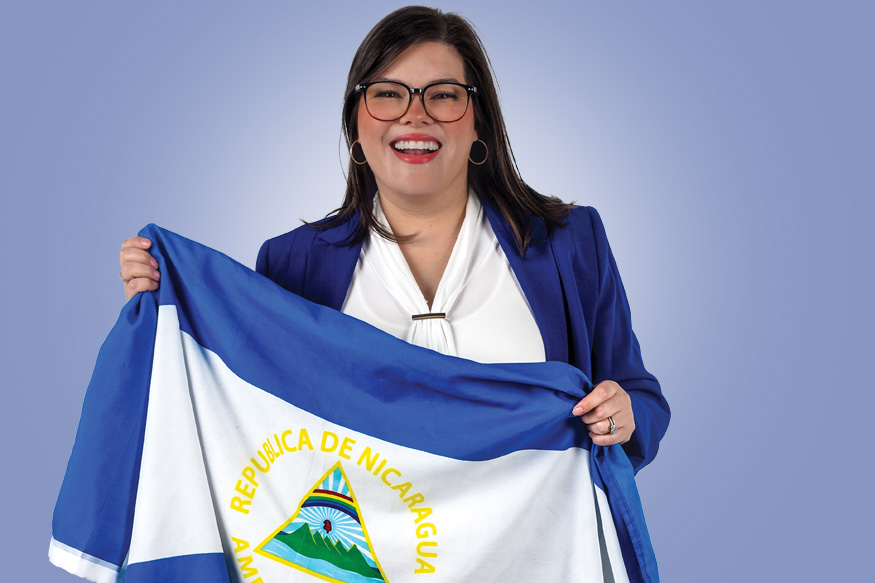
Melissa Callejas, 32
Director of Tech Goes Home Tennessee, The Enterprise Center
Melissa Callejas serves as the director of Tech Goes Home Tennessee, a program of The Enterprise Center, where she leads statewide efforts to expand digital inclusion by providing communities with access to technology. She is the president of the Young Professionals of Chattanooga Advisory Board, and the host of a Spanish radio talk show, “Conexión Comunitaria,” where she highlights community resources, uplifts Latino voices and facilitates conversations with local leaders.
How did you decide on your career path?
When I finished high school, I was pretty set on becoming a chef. I began my studies in hospitality, thinking that was the direction my career would take. However, shortly after, I took a job at an early childhood center simply as a way to earn income, not expecting it to shape my future. It didn’t take long for me to discover a genuine passion for teaching.
I became a preschool teacher and spent the early years of my career in the classroom. Over time, I transitioned into the nonprofit sector, where I worked as a parenting educator at an child abuse prevention organization. That experience deepened my commitment to supporting families and communities.
Eventually, I found my way into the digital equity and access space through my work at The Enterprise Center. While this is not where I imagined myself 15 years ago when I moved to the United States, it has become incredibly meaningful work. I’m grateful for the unexpected turns that led me here and for the opportunity to create impact in the communities I serve.
What action or strategy has propelled your career the most?
Intentionally putting myself in spaces where I can learn, connect, and grow. I’ve prioritized networking not just to meet people, but to build meaningful relationships with individuals and organizations that are aligned in values and mission.
I’ve also learned to be comfortable being uncomfortable. Some of the biggest opportunities in my career came from stepping into rooms where I didn’t feel fully prepared, but chose to show up, listen and contribute.
Additionally, I’ve consistently sought opportunities to learn new skills, collaborate across sectors, and say yes to experiences that expand my perspective. Participating in leadership development programs such as Holmberg Arts Leadership Institute, Protégé Chattanooga, and Leadership Chattanooga has also played an important role in shaping my leadership approach and expanding my network.
Working alongside like minded partners has not only strengthened my work but also opened doors I wouldn’t have accessed otherwise.
Do you have a career mentor? If so, what’s one lesson that’s stayed with you?
I don’t have just one career mentor, there are many people I lean on to talk through challenges, reflect on experiences, and celebrate achievements. I’ve been fortunate to build a network of mentors who each bring different perspectives and strengths.
One lesson that has stayed with me is the importance of not navigating things alone. Seeking input, being open to feedback, and learning from others has helped me grow more quickly and make more thoughtful decisions. It has also reminded me of the value of building strong, supportive relationships throughout my career.
What’s your one hope for Chattanooga?
That every person who lives here feels a true sense of belonging, and that they see themselves reflected in the opportunities, programs and decisions shaping our community. I hope we continue to grow in a way that is inclusive and intentional, where initiatives are designed with people in mind, not just for them.
I also hope Chattanooga continues to invest in access, whether that’s access to education, technology, economic opportunity or community spaces, so that everyone, regardless of their background, has the chance to thrive and fully participate in the city’s future.
In what ways are you seeing AI change the work you do?
I’m seeing AI change my work in both small, everyday ways and bigger, more strategic ways. On a daily basis, it helps me move faster whether that’s drafting emails or organizing my thoughts so I can spend more time focusing on people, partnerships and the bigger picture.
But more importantly, it’s really shifting how I think about digital equity. The reality is that as AI becomes more common, the gap between people who know how to use these tools and those who don’t is only going to grow. That means our work has to evolve, too. It’s not just about teaching basic computer skills anymore, it’s about making sure people feel confident navigating and using tools like AI in their everyday lives.
This is why, at The Enterprise Center, we’re actively hosting workshops and Tech Goes Home Tennessee classes that include AI-focused curriculum — so that anyone can not only be aware of it, but feel comfortable using it when and if they need to.
At the end of the day, it’s about making sure people aren’t left behind as technology keeps moving forward.
What is your guiding leadership philosophy?
I lead with a “people first” philosophy. I believe strong leadership is about creating environments where people feel supported, trusted and empowered to grow while still being held accountable to high standards.
I also believe in leading with transparency and collaboration. I don’t think leaders should have all the answers, but I do think they should be willing to listen, adapt and make decisions with both empathy and clarity. Some of the best ideas and solutions come from creating space for others to contribute and feel heard.
At the same time, I value structure and follow-through. I believe teams function best when expectations are clear, communication is consistent, and everyone understands how their work connects to the bigger mission.
At the core of it all, I try to lead in a way that leaves people and organizations stronger than I found them.
What’s a fun fact about you that most people wouldn’t know?
I raise quails in my backyard. I’ve even attended Quail-Con to learn more about how to care for them. One of my favorite parts is collecting the tiny quail eggs and finding fun ways to cook with them. The quails even have their own Instagram account!
What makes a perfect weekend in the Chattanooga area?
For me, the best weekends are a mix of good food, karaoke and spending time with people I love. Anything with a fun view is always a plus, so I’m usually happiest at one of the rooftop bars around downtown where you can relax, enjoy the scenery, and just have a good time together.
I also really enjoy the completely uneventful weekends where I get to relax at home with my husband, our dogs, and of course, the quails.
What’s the last book you read or movie/series you watched?
I’m currently watching “The Testaments.” Most of the time I watch whatever helps me disconnect and relax at the end of the day, but I do enjoy my fair share of murder mystery podcasts and documentaries.
If you could add one thing to the city, what would it be — and why?
It would definitely be a Nicaraguan restaurant. One of the things I miss the most about home is the food, and right now the closest place I can get authentic Nicaraguan food is many hours away. I would love not only to have that connection to home here, but also the opportunity to share such an important part of my culture with the community.
I’m very proud of being Nicaraguan, and I’m always trying to explain our traditional foods to people, but it’s just not the same as actually getting to try them. There’s so much culture, history and love tied into our food, and I think having a place where people could experience that firsthand would be really special.
When you have visitors in town, where do you take them?
I always make sure to take them to the attractions around Lookout Mountain, with my favorite being Point Park because of the amazing views. After that, we usually head to Pickle Barrel for food and then stop by Clumpies for dessert.
I also try to do a little tour of downtown using the free trolley, making stops at Chattanooga Choo Choo and Ross’s Landing so they can experience some of the history, views and atmosphere that make Chattanooga special.
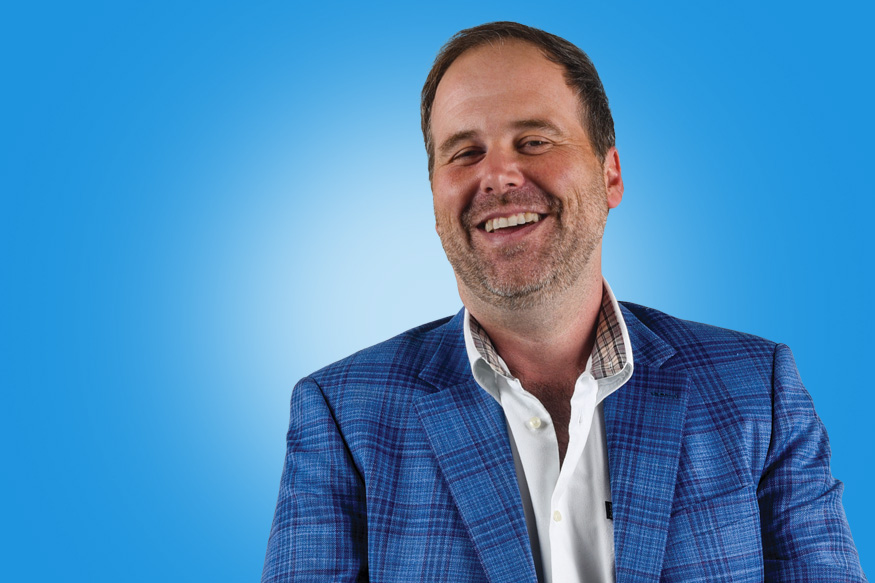
Hank DeHart, 39
Insurance agent, State Farm
Hank DeHart leads a downtown Chattanooga State Farm agency, where he has served clients since opening in 2015. Outside of work, he currently serves as a board member of the Chattanooga Police Foundation, where he is involved in a campaign to build new K9 unit kennels at Moccasin Bend. He is a Third Degree Knight in Knights of Columbus Council 610 and participates in the Chattanooga Adopt-a-Park initiative through Jefferson Heights Park. In the past, he has given his time and energy to the Boy Scouts of America, Welcome Home Chattanooga and the National Medal of Honor Heritage Center.
How did you decide on your career path?
As I finished up my undergrad at the University of South Carolina, and looked around at career opportunities, State Farm offered me a clear path to entrepreneurship and the ability to leverage my work into civic duties and volunteerism. Ultimately, these were the most important considerations for me in selecting a vocation as I knew early on that I didn’t want to punch a clock and supporting my community is important to me.
For almost the last 11 years now, I’ve been serving the people of Chattanooga by helping them protect what they love, plan for the future, and prepare for disaster. As my family has grown my career as a State Farm Agent has also aligned with my work as a father. I have five children under the age of seven and I really appreciate the flexibility that being a small business owner offers.
Additionally, it’s important to me that they understand their civic responsibilities and leveraging my office to create volunteer opportunities does just that.
What action or strategy has propelled your career the most?
My career success is closely tied to the impact I make on my community and moreover the individuals within it. This wasn’t so much an intentional course of action, but I realized early on that if I spend my time and resources volunteering, hosting events and getting involved, that I create centers of influence that help grow my referral base.
At its core it’s basically just networking, but it’s networking with a purpose. I still do all of the regular marketing that any small business has to do, but I really try to limit the marketing dollars I spend outside of our community. This strategy is somewhat limited to small business. However, I believe that any individual will ultimately advance their career with consistent and intentional local engagement. Perhaps the most beautiful element of this approach is that it can be genuinely rooted in altruism.
Do you have a career mentor? If so, what’s one lesson that’s stayed with you?
Throughout my career I have been lucky to have several talented business leaders impart knowledge, give direction, and be willing to just be a sounding board. Rather than one specific lesson there is a theme that has stuck with me throughout my career. Create a well-developed plan, take some risks and be tenacious. Reflecting on all of the wisdom and direction I’ve gathered from others throughout my career, I would say it’s wildly important to have at least one mentor of some sort. Additionally, I have found it necessary to stay in healthy competition with contemporaries.
What’s your one hope for Chattanooga?
My one hope for Chattanooga is that it can continue to draw in industry, entertainment and culture while maintaining its soul. I think we’re already pretty good at this as a community and the new Lookouts stadium is a perfect example. This city and the people that love it consistently find ways to reshape our beautiful landscape without just completely paving over it — instead utilizing the existing structures and embracing the history of Chattanooga in its redevelopment.
The same has to be true for the people of Chattanooga. I hope we can continue to grow and advance our city, while lifting up the people who call this place home.
In what ways are you seeing AI change the work you do?
The net result of AI implementation in my work has been generally trending toward positive so far. Although many simple tasks have are now completed a lot faster and more simply, the quality of that work has not necessarily become better yet.
Conducting business has also seemingly lost some of its personal touch. For example, I see a lot of inbound emails with em dashes, which really pull me out of conversation.
For the future, I feel fairly secure. My customers will always want to talk to a real person on the worst day of their life and I plan to be there for them.
The advent of AI agents will undoubtedly cause some shake ups in our industry, especially how consumers shop and seek advice. But, for right now I still feel not only relevant, but essential.
What is your guiding leadership philosophy?
As much as I would love to say that I’m a result-driven culture leader, mainly because those are the executive leadership buzzwords we all constantly hear, I’m empirically a people-first leader.
It is possible to drive production through creating buy-in from your team. Especially in operating a small business, you can lose a ton of opportunity and customer retention from high team member turnover. Take care of your people, understand their individual circumstances, help them advance and achieve their goals, coach to the shortcomings in private, and celebrate their accomplishments.
What’s a fun fact about you that most people wouldn’t know?
I have a pet pig named Harrison Ford.
What makes a perfect weekend in the Chattanooga area?
Friday night date with the missus at Old Gilman and maybe a show after (I can’t wait for the Tivoli to open back up). Saturday morning coffee and sweets at Rembrandt’s followed by a walk through the Aquarium or the Zoo. Saturday evening grabbing pizza from Southside and taking the kids to the park at Jefferson Heights. Sunday morning Mass at our lovely Basilica of Saints Peter and Paul, followed up by brunch with friends at STIR and a drive up to visit with my sister’s family on Signal. Bonus points if we can squeeze in a Lookouts or Chattanooga Football Club game. Double bonus points if we hit the lake.
What’s the last book you read or movie/series you watched?
I finally read “Project Hail Mary” and it was awesome. Andy Weir is a ton of fun to read. Looking forward to getting through “Artemis” next. On the movie front, I recently found “The Lord of the Rings “ box set at McKay’s, and my wife and I are working our way through a rewatch of the director’s cuts.
If you could add one thing to the city, what would it be — and why?
I would love to see a plan for 23rd Street and the corresponding area surrounding I-24 for a complete overhaul with high-rise housing, offices, shopping, maybe even a box store like IKEA and definitely a new grocery store. Chattanooga sees a massive amount of interstate traffic connecting Atlanta and Nashville, and we’re not putting our best forward in showing these travelers what we’re all about.
When you have visitors in town, where do you take them?
Typically, I’ll take visitors to Main Street Meats and force them to order the burger. It’s probably a borderline hostage situation, but once they taste that burger, I’ve never heard a complaint. I love showing out-of-towners Coolidge Park and, of course, the Walnut Street Bridge.
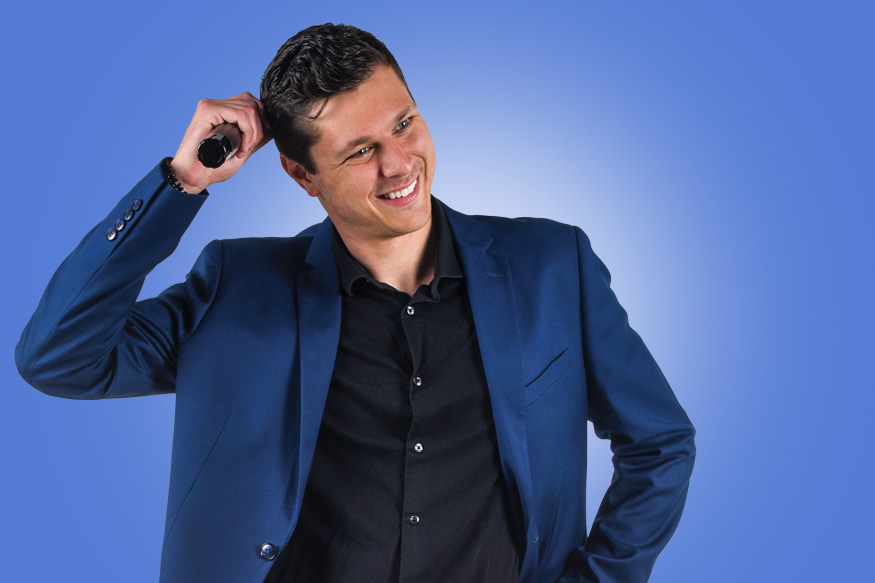
Haydynn Fike, 25
Co-Founder, Acadia Capital | Real Estate Investor & Community Builder
Haydynn Fike is an entrepreneur focused on real estate investment, private lending and building business networks across the Southeast. Through Acadia Capital, he connects investors with residential real estate opportunities. He also hosts “The Art of Connecting” podcast, runs the SouthEast Best Real Estate Meetup, and founded the Chattanooga Owners Club. He is civically engaged with Chattanooga Preparatory School, Special Kids Chattanooga and See Him Ministries in Haiti.
How did you decide on your career path?
It was almost decided for me. After being let go from a big corporate job, I knew that I never wanted to experience that again. I vowed to work for myself and collaborate with others as an entrepreneur for the rest of my life.
What action or strategy has propelled your career the most?
Being interested in others rather than trying to be interesting. Building roots and a network in Chattanooga has been one of the biggest blessings of my life. I am so grateful for all of the amazing people who have supported me thus far in my journey. Digging into my community and learning as much about others as possible has brought me to where I am.
Do you have a career mentor? If so, what’s one lesson that’s stayed with you?
I have more mentors than I can count, and I stand on the shoulders of giants. One of the lessons that sticks out to me most is that we are all just people, and we all have similar problems, no matter how great things seem on the outside. They always told me, take good care of others, and always stay humble. Never ask someone else to do a job that you wouldn’t do yourself. Care more about the person than a dollar, always.
What’s your one hope for Chattanooga?
That we never lose our incredible ecosystem that is filled with love, drive, grit, selflessness and openness to improvement. Chattanooga is such a beautiful city with some of the best people I have ever met in the world.
In what ways are you seeing AI change the work you do?
AI is absolutely pivotal in my line of business. I own a private lending company, and we are raising $30 million. Through Claude and other tools, I have a clear roadmap to hitting that seemingly crazy goal. Each day, I am able to achieve two to three times the amount of work by prompting my AI and having it know the goal I am working toward. AI helps us underwrite our loans that we do, to make sure that we don’t miss anything. Many lenders move slow and do not adapt to new technologies. We are implementing efficiency into any area that we can.
What is your guiding leadership philosophy?
To go above and beyond in everything that my team and I do. At the Chattanooga Owners Club, where we host 100+ entrepreneurs who are at more than $1 million in annual revenue, every element of that event is painstakingly planned and executed. In my lending company, I personally write a monthly report to all of our investors. I also personally walk every single investor through the sometimes complicated process of committing funds. Very few companies in our space do this.
In all that I do, my goal is to honor my creator, who went above and beyond creating us. My goal is to do the same in anything that I create.
What’s a fun fact about you that most people wouldn’t know?
I am a huge Trader Joe’s fan. They have my absolute favorite snacks and meals.
What makes a perfect weekend in the Chattanooga area?
Wake surfing the Tennessee River, then dinner at the rooftop of the Waymark. It doesn’t get much better than that.
What’s the last book you read or movie/series you watched?
“Intention” by Pete Worrell. This book was gifted to me by one of my mentors.
If you could add one thing to the city, what would it be — and why?
This may sound crazy, but I would absolutely love for Chattanooga to have trolleys again. One of my favorite places to visit is Tampa, Florida. The trolley is so much fun to ride, and is usually pretty busy, too. The charm of a trolley is unmatched.
When you have visitors in town, where do you take them?
I love to take visitors to Rock City or on a Chatt Taste Food Tour! Some favorite restaurants are Old Gilman Grill, Calliope and Riverdance.
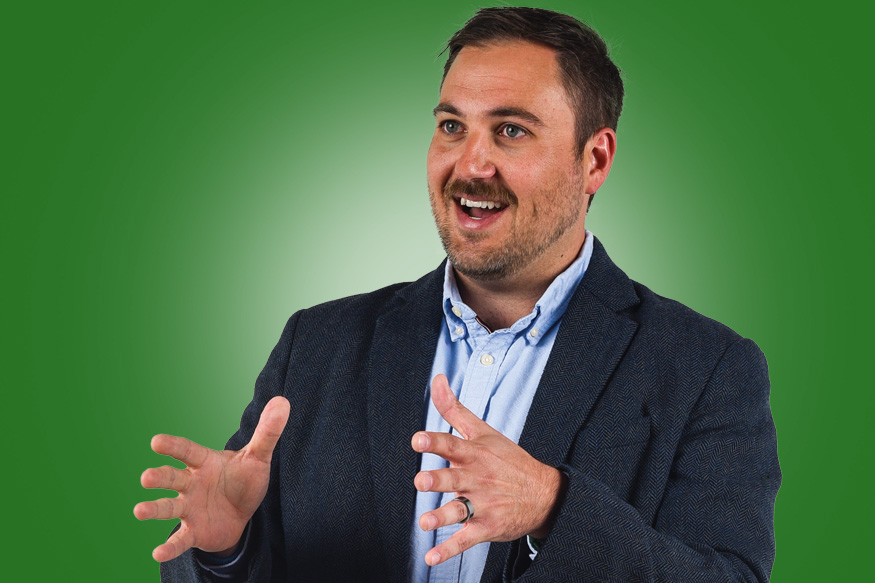
Alex Green, 36
Executive Director, Rhea Economic & Tourism Council
Alex Green leads regional economic development for Rhea County, focusing on industrial recruitment, business growth and business retention and expansion. He was appointed in 2024, and oversees ways to guide the county’s long-term economic competitiveness. He is active in civic leadership, serving on various boards at the Dayton Chamber of Commerce, Rhea Education Foundation, Thrive Regional Partnership’s communications committee and as a member of the Dayton Rotary Club.
How did you decide on your career path?
My career path found me. I wish I could take credit for the steps that led me to the role I’m in today, but the truth is I have simply tried to be a good listener and walk the path laid out before me. The opportunity to serve my hometown and be one of many working to build better tomorrows came to me unexpectedly and serendipitously in 2024 when my previous employer (SimplyBank) was sold. My role as marketing director at the bank was eliminated as a result of the sale. Rhea Economic & Tourism Council (RheaECD) happened to be hiring an executive director at the same time. Despite being a career pivot, it felt meant to be, so I said yes.
What action or strategy has propelled your career the most?
I’ve been fortunate to work for great people who let me sit in rooms I probably hadn’t earned the right to sit in. Thanks to those people, I’ve learned to never fear making decisions; that activity generates activity; that working your plan is important; that everything in life is built on relationships; that waiting until you have all the information will cripple you; that you must cast a vision and work relentlessly toward it; that good culture is intentional; and that every decision either moves you closer to, or further from, the person you want to be in 10 years.
Do you have a career mentor? If so, what’s one lesson that’s stayed with you?
John Owen, CEO at SimplyBank. John told me several years ago to decide who I wanted to be in 10 years, and then to make life decisions which move me closer to that person. John taught me how to be bold in vision and confident in execution, understanding failure is sometimes the price you pay for action. But that inaction and fear always result in stagnation.
What’s your one hope for Chattanooga?
That people who love this area are able to grow up here, get a quality trade or university education and then leverage their skills in a high-paying local career which allows for the creation of generational wealth in perpetuity.
In what ways are you seeing AI change the work you do?
As a communicator by education, I see an invasion of AI in brand and marketing which is diluting the overall digital experience. In economic development, AI can be a useful tool for research, cutting hours out of the Request for Information (RFI) process. Additionally, AI is useful for modeling potential site and building footprints for industrial properties.
What is your guiding leadership philosophy?
Life is a people business. Treat people right, empower them to do great things and inspire them to pursue a vision. When in doubt, show grace and remember that leaders lead.
What’s a fun fact about you that most people wouldn’t know?
My great-great-great grandfather — William Alexander Green (1825-1904) — is the longest-serving county commissioner in Rhea County history. He served 48 consecutive years.
What makes a perfect weekend in the Chattanooga area?
Spending all your time and money in Rhea County!
What’s the last book you read or movie/series you watched?
“The West Wing” (for the first time ever!)
If you could add one thing to the city, what would it be — and why?
Daily passenger rail connecting in downtown Spring City, downtown Dayton and downtown Chattanooga.
When you have visitors in town, where do you take them?
I’m a frequent flyer at MonkeyTown Brewing Co., so it’s always at the top of my list (Elvis burger with onion rings never misses). First-timers are required to visit the historic Rhea County Courthouse, site of the 1925 Scopes Trial.
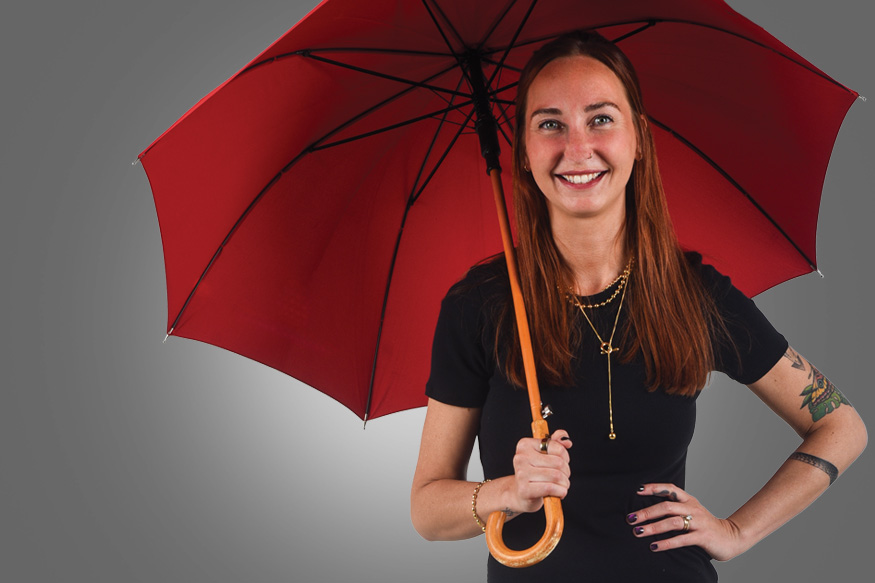
Carley Hanson, 36
Founder and Principal HR Consultant, Story-Built
Carley Hanson provides fractional human resources leadership for founders and early-stage companies. She is set to serve as an HR mentor for CoLab’s 2026 cohort, and is currently working as an HR and project manager for Hearsay Press, an independent local music publication. Since 2016, she has run InstaChattanooga, a local culture account that provides free promotion to small businesses, artists and nonprofits, with consistent support for Room at the Inn and the Chattanooga YMCA. She also volunteers directly with Room at the Inn, Crabtree Farms and as a mentor to UTC students.
How did you decide on your career path?
I didn’t, really. I worked in HR-adjacent roles long enough to notice that the parts I cared about, how people get hired, how they get treated, whether the work makes sense — were the parts most companies were getting wrong. Fractional consulting was the version of HR where I could actually fix those things instead of inheriting them. So I built Story-Built around that.
What action or strategy has propelled your career the most?
Saying yes to embedded work instead of project work. Most fractional HR is transactional — write a handbook, run an investigation, leave. I stay long enough to know the team, the systems and where the real problems are. That’s harder to scale, but it’s the reason clients keep me around for years instead of months.
Do you have a career mentor? If so, what’s one lesson that’s stayed with you?
My mentor, Janelle O’Neil taught me that the loudest problem in a company is rarely the actual problem. The real one is usually two layers down and nobody’s saying it out loud yet. That’s shaped how I run discovery with every new client.
What’s your one hope for Chattanooga?
That the bar for how people are treated at work keeps moving. Chattanooga has a lot of small employers, and small employers set the tone for what normal looks like. I’d like normal to keep getting better.
In what ways are you seeing AI change the work you do?
The drafting work, definitely. Creating policies, decks, manager templates and performance review synthesis is faster than it used to be, which means I spend less time staring at a blank page and more time on the parts that actually require judgement.
I won’t use it for anything involving a specific employee’s situation, anything that requires reading a room, or anything where being wrong has consequences for someone’s job. AI is a good first draft. It’s a bad final answer.
What is your guiding leadership philosophy?
People can tell when they’re being managed and when they’re being respected. The first one buys you compliance. The second one buys you everything else. My job, whether I’m advising a founder or running a project, is to make sure the second one is happening.
What’s a fun fact about you that most people wouldn’t know?
I love insects and entomology.
What makes a perfect weekend in the Chattanooga area?
Brunch on a patio followed by a relaxing walk downtown. End it with a treat from Hot Chocolatier!
What’s the last book you read or movie/series you watched?
“I Who Have Never Known Man” by Jacqueline Harpman
If you could add one thing to the city, what would it be — and why?
An affordable drop-in childcare option that isn’t a gym membership or a church. Parents need three hours to go to a doctor’s appointment or a job interview without lining up a favor. It’s the most useful thing a city can offer working families, and Chattanooga doesn’t have one yet (that I’m aware of).
When you have visitors in town, where do you take them?
Wooden City, Sunset Rock, St. Elmo
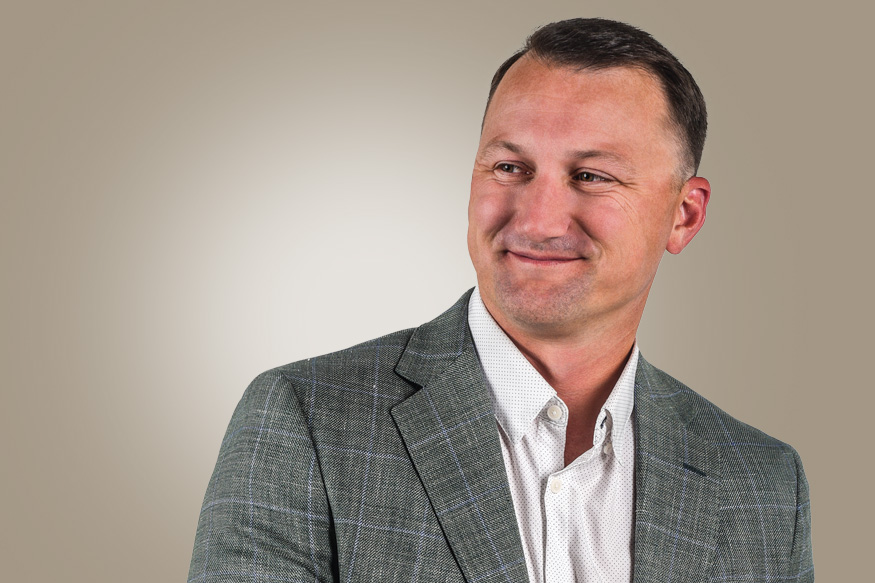
Ryan Henn, 39
Vice President of Business and Commercial Services, Tennessee Valley Federal Credit Union
Ryan Henn leads business and commercial services at TVFCU, where he oversees lending and deposits with a focus on supporting local businesses. He stays busy with community and nonprofit leadership, serving on the advisory board for the Tennessee Small Business Development Center, as board chair of the YMCA Community Action Project and as a member of its metro board. Henn is also a member of the Downtown Rotary, the CHI Memorial Foundation PINK! committee and the CommonSpirit Memorial Foundation golf committee.
How did you decide on your career path?
I chose my career by leaning on advice from people I trusted and respected. One of the biggest influences was a college professor who was also a retired banker. He recognized my strengths early on and encouraged me to seriously consider banking as a career. Hearing that perspective from someone who had spent decades in the industry helped me think beyond just landing a job and focus on building something long term.
I also talked with my mom’s best friend, Kristy, who was already well established in the field. She gave me honest, real-world insight into what the day-to-day work actually looked like, along with the challenges and opportunities for growth. Those conversations helped set realistic expectations and gave me confidence that I was choosing a path that truly fit me.
What action or strategy has propelled your career the most?
One strategy that’s propelled my career the most is my ability to connect with people on a personal, relatable level, no matter the industry. I’m naturally people-oriented, and I’ve learned that strong relationships come from earning trust first, not leading with a sales pitch or jumping straight into business.
Often, that starts with something simple like asking about a shared interest, noticing something in someone’s office, or having a real conversation before getting into the agenda. I’ve had multiple opportunities come from meetings where the business conversation didn’t lead right away, but the personal connection did. When people feel understood and respected, the professional side tends to follow naturally. That approach has helped me build long-term relationships.
Do you have a career mentor? If so, what’s one lesson that’s stayed with you?
Mentors have played a major role in shaping my professional growth and perspective. One of the most impactful influences early in my career was my first CEO, Dennis Walker, a member of the Tennessee Bankers Hall of Fame. Having the opportunity to learn under someone with that level of experience and recognition gave me a strong foundation. His leadership, decision making, and ability to navigate the industry set a standard that I’ve carried with me throughout my career.
I’ve also had the privilege of working under my former vice president at TVFCU, Tommy Nix, who played a significant role in mentoring me through real time, on-the-job experiences.
In addition, I’ve been fortunate to have guidance from my parents and my father-in-law, all of whom bring valuable career experience and insight. They’ve offered advice not just on professional decisions, but also on work ethic, integrity and long-term thinking. Their different perspectives have helped me stay grounded while also pushing me to grow.
Having mentors both inside and outside of my immediate workplace has given me a well-rounded support system. Their influence has helped shape how I approach challenges, build relationships and continue developing in my career.
What’s your one hope for Chattanooga?
My hope for Chattanooga is that it continues to grow without losing what makes it feel like home. As more businesses and people move here, there’s a great opportunity to create jobs and improve infrastructure, but it’s just as important to protect the sense of community, affordability and outdoor lifestyle that make the city special.
In what ways are you seeing AI change the work you do?
AI is starting to change the way I work by making everyday tasks more efficient and freeing up time for more meaningful, people-focused work. It helps streamline things like research, drafting communications and organizing information, which allows me to focus more on decision-making and building relationships.
I am also seeing AI improve how quickly I can access information whether that’s analyzing data, identifying trends or getting quick answers to questions that would have taken much longer before. That speed and accessibility make it easier to be proactive and responsive in my role.
What is your guiding leadership philosophy?
I lead by focusing on relatability. I believe trust is built when leaders are approachable, genuine and understand their team. When that trust is there, strong teams and meaningful results follow.
What’s a fun fact about you that most people wouldn’t know?
While traveling in Scotland, I got paired up for a round of golf at Kingsbarns, and that person turned out to be a “shark” from “Shark Tank Australia.” It made for an unforgettable round and great conversation.
What makes a perfect weekend in the Chattanooga area?
A perfect weekend in Chattanooga usually starts on the golf course. It’s hard to beat the top-notch courses in the area. After that, catching a Chattanooga Lookouts game is a great move. The new stadium is definitely worth checking out and has a great atmosphere. To wrap it up, you’ve got to hit a few local restaurants. Chattanooga has a ton of great spots, whether the plan is to keep it casual or go a little nicer.
What’s the last book you read or movie/series you watched?
These days, the books I read are usually a bedtime story with my two daughters. One we’ve been reading lately is “Do Princesses Wear Hiking Boots?” As for movies, we recently took them to the theater to see “Zootopia 2.”
If you could add one thing to the city, what would it be — and why?
I would add a rail system to the city. After visiting places with accessible public rail, it’s easy to see the difference it makes in how people move around. Chattanooga is such a “pocket” city — Ooltewah, Hixson, Southside, East Brainerd — you’re usually about 20 minutes from anywhere. A rail system could connect those areas efficiently and make getting around even easier, especially as the city continues to grow.
When you have visitors in town, where do you take them?
When friends or family are in town, I usually start with food and something easy to get out and enjoy the city. Lately, grabbing a beer at Hutton & Smith or Oddstory has been a go-to; both have a great atmosphere and feel very Chattanooga. For food, some recent favorites are Number 10, Calliope or Feed, depending on the mood. From there, it’s usually something simple like walking around the Riverfront or visiting the Medal of Honor Heritage Center.
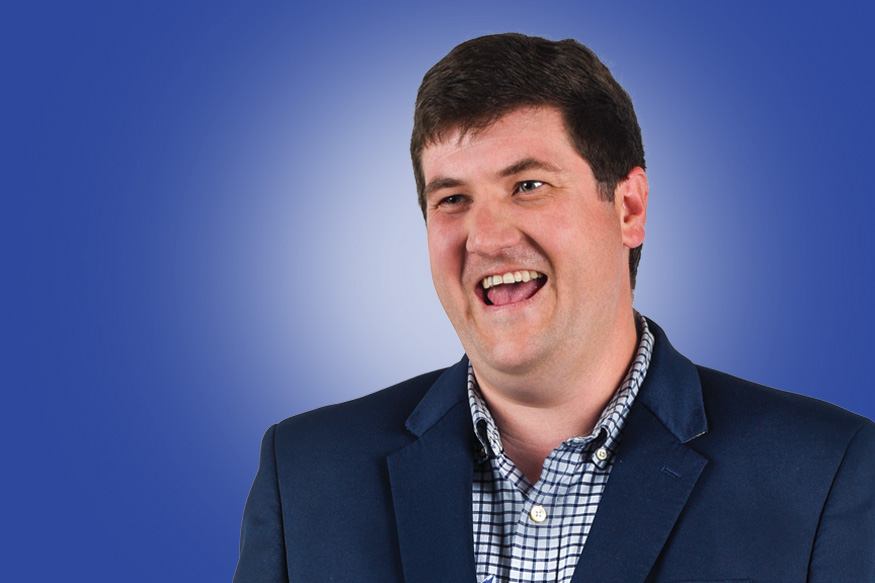
Lewis Jackson, 30
Director of Strategic Enrollment Management & High School Partnerships at Chattanooga State
Lewis Jackson works in enrollment management at Chattanooga State Community College, where he helps students register and stay on track toward completing their education. In 2026, Jackson was named the Tennessee Board of Regents Student Outreach and Appreciation Recognition Community College Staff Member of the Year.
How did you decide on your career path?
I stumbled on to it. After finishing graduate school in 2021, I took the first job I could find, which was working as a dual enrollment coordinator at a college in Montana. While in that role, I discovered how much I enjoy working with students and their families, and helping folks find their pathway to a college degree.
What action or strategy has propelled your career the most?
Taking a job at Helena College, a small college in Montana. The college employed less than 100 people, so even though my job title was “dual enrollment coordinator,” I had to learn a little bit about every office on campus so I could help out other offices, and even teach when necessary.
Do you have a career mentor? If so, what’s one lesson that’s stayed with you?
I do have a career mentor. One lesson that has always stayed with me is “people first, paperwork later.” All too often, employees in large public bureaucracies like colleges get too focused on paperwork and processes, and forget that we are here to serve our community.
What’s your one hope for Chattanooga?
My one hope for Chattanooga is that we can get every adult over the age of 25 enrolled in some kind of post-secondary educational program. Only something like 57% of all adults over the age of 25 have a post-secondary certificate, diploma or degree of any kind. The average annual salary for folks without a degree is around $29,000, while the average annual salary for folks with a degree is around $50,000. With scholarships like Tennessee Promise and Tennessee Reconnect Scholarship, and with growing number of employer educational partnerships like the BlueHorizon program with BlueCross BlueSheild of Tennessee, there is no reason for folks not to earn a degree.
In what ways are you seeing AI change the work you do?
AI really hasn’t changed the work I do too much. The biggest change is the increase in students submitting AI-generated work. Aside from that, it’s just another tool we use everyday.
What is your guiding leadership philosophy?
You have to lead from the front, and you cannot be afraid to get your hands dirty. You can’t be above any type of work just because you have the word “director” in your job title.
What’s a fun fact about you that most people wouldn’t know?
I’ve caught trout in all 20 of Orvis’s blue ribbon rivers in Montana and Wyoming.
What makes a perfect weekend in the Chattanooga area?
A perfect weekend in the Chattanooga area consists of hiking and fishing at North Chickamauga Creek Gorge or the Cherokee National Forrest near Reliance. Nothing like catching fish in the morning, having a PB&J for lunch and hiking in the afternoon.
What’s the last book you read or movie/series you watched?
The last book I read was “Undaunted Courage” by Stephen E. Ambrose.
If you could add one thing to the city, what would it be — and why?
I would add a minor league hockey team. I hate having to drive to Knoxville, Nashville or Duluth to watch hockey.
When you have visitors in town, where do you take them?
I take all visitors in town to the Boathouse and to check out the Chattanooga Market.
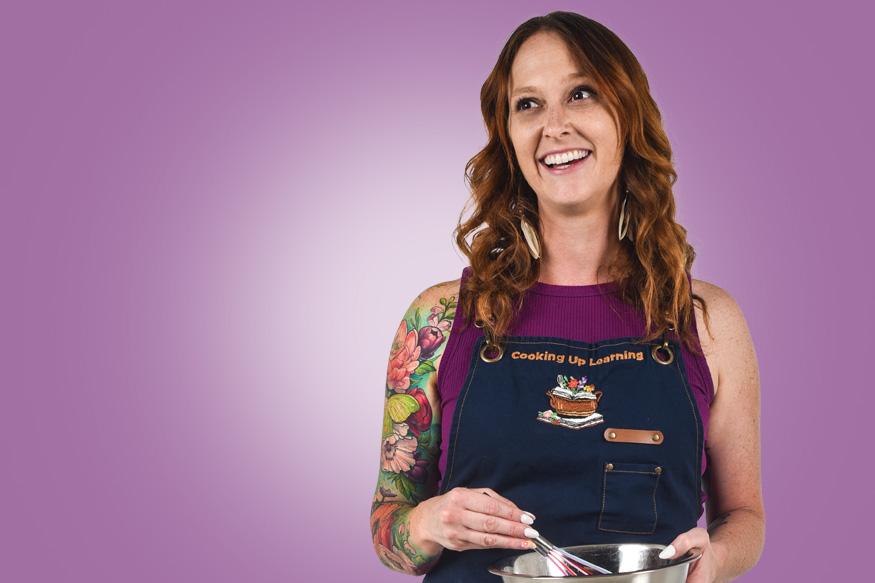
Tarah Kemp, 36
Culinary Integration Specialist, Battle Academy | Founder, Cooking Up Learning
Tarah Kemp is an elementary educator who connects science, social studies, literacy and culture through food and farm-to-table experiences in her program, Cooking Up Learning. Through a fellowship with the Charles H. Coolidge Medal of Honor Heritage Center, she is developing an interdisciplinary cookbook that blends history, culture and culinary storytelling. Her professional honors include the Tennessee Teacher of the Year and the Hamilton County Hero in Innovation award.
How did you decide on your career path?
My career path was shaped by the intersection of two worlds that I once kept completely separate: education and the culinary industry. For over a decade, I had balanced teaching while also working in restaurants (a typical teacher with two jobs), never imagining those experiences could merge into one meaningful profession. Everything changed in 2018 after participating in educational fellowships and innovation cohorts that challenged me to rethink what authentic learning could look like for students.
At that time, I was teaching at a Title I school (and still do) and struggled to reach many of my students, despite having nearly 10 years of classroom experience. I began realizing that many were carrying burdens far beyond what most people associate with childhood. Some students came to school hungry. Many were navigating adult-sized responsibilities at an elementary age, making it incredibly difficult for them to fully focus on academic content or engage in traditional learning environments.
Instead of continuing to force disconnected instructional strategies and maintaining my secret double-job existence, I began integrating food into classroom learning through small culinary experiences tied directly to science and social studies standards. Food became a bridge to engagement, relationship-building, trust and authentic learning. It also reinvigorated my own career, sparking my desire to blend my two passions: teaching and cooking.
What started as small hands-on lessons evolved into Cooking Up Learning, which now serves elementary students through cross-curricular, standards-based culinary experiences connected to farm-to-table education and community partnerships. Today, I serve as the only elementary culinary integration specialist in the largest school district in Tennessee.
What action or strategy has propelled your career the most?
My willingness to take risks, seek out opportunities for growth, and relentlessly share my vision with others — even when the outcome was uncertain. From applying to fellowships and innovation cohorts to pitching Cooking Up Learning in front of hundreds of educators and community leaders, I consistently placed myself in spaces that challenged me to think bigger. Those opportunities helped me build critical relationships with mentors, business leaders, nonprofit organizations and educational advocates who believed in the vision of culinary integration as a powerful educational tool.
Equally important was my commitment to collaboration and community partnership development. I learned early on that meaningful educational innovation cannot happen in isolation. By building strong relationships with local chefs, farmers, businesses, museums and organizations, I created authentic learning opportunities that connected students to real-world experiences beyond the classroom walls.
Do you have a career mentor? If so, what’s one lesson that’s stayed with you?
Yes — Jessica Holloway. She continuously encouraged me to think beyond traditional boundaries and challenged me to see obstacles as opportunities for refinement rather than failure. One lesson from Jessica that has stayed with me is that rejection, setbacks and failed attempts are not signs to stop — they are invitations to revise, rethink and try again. She taught me that innovation requires resilience.
What’s your one hope for Chattanooga?
That every child, regardless of zip code, background or socioeconomic status, has equal access to meaningful, hands-on learning opportunities that prepare them for the real world. I hope our schools continue moving toward stronger partnerships between educators, families, local businesses, nonprofits and community leaders so that students are surrounded by a true network of support. Too often, schools are expected to carry the full responsibility of preparing children for the future alone. I believe it takes an entire community invested in children to truly help them thrive.
In what ways are you seeing AI change the work you do?
As someone designing unique culinary integration lessons for students from pre-K through 5th grade, AI has become an incredible brainstorming and productivity tool. It helps me develop fresh instructional angles, deepen content connections across subjects, adapt recipes for allergies and dietary needs, and create differentiated learning experiences more efficiently.
At the same time, I also see challenges emerging alongside technology. Many students are growing accustomed to instant gratification, rapid feedback and constant digital stimulation. As a result, patience, perseverance and stamina for difficult tasks can sometimes be diminished. That is one reason why culinary education is so powerful. In my classroom, students must collaborate, communicate, problem-solve and work through challenges together in real time.
What is your guiding leadership philosophy?
My leadership philosophy centers around courage, authenticity, persistence, and the belief that meaningful growth requires both challenge and vulnerability. For much of my life, I avoided leadership roles and hesitated to fully step into my voice. However, building Cooking Up Learning transformed me into a leader who is no longer afraid to advocate for students and meaningful change in education.
I believe strong leaders create environments where people feel empowered to take risks, collaborate openly and push beyond complacency. I lead with high expectations, honest communication, creativity and resilience. Whether working with students, educators, or community partners, I strive to model the same mindset I hope to instill in others. Setbacks are not failures, but opportunities to revise, adapt and grow stronger.
What’s a fun fact about you that most people wouldn’t know?
Two years ago, I found out I have alpha-gal syndrome, a serious allergy caused by tick bites that makes me unable to eat red meat or mammal-derived products. As someone whose life and career revolve around food, it was definitely an unexpected challenge — especially having to give up favorites like Cuban-style pork, bacon, ribs and burgers!
What makes a perfect weekend in the Chattanooga area?
My perfect weekend starts at the Chattanooga Market with my partner and stepsons, wandering through local vendors and stocking up on favorites like fresh bread from Niedlov’s Bakery & Cafe and Bluff View Bakery, pimento cheese, kettlecorn, flowers and whatever seasonal produce catches my eye. I love turning those ingredients into meals alongside vegetables and herbs from my own nine backyard garden beds. The perfect ending is simple: good food, a backyard fire, and spending time surrounded by my favorite people: my boys, our four dogs, a bearded dragon, and even our snake. It’s chaotic, cozy and completely my happy place.
What’s the last book you read or movie/series you watched?
Lately, I’ve been completely hooked on the TV series “The Pitt.” I love how it balances chaos, compassion, humor, and heartbreak all at once.
If you could add one thing to the city, what would it be — and why?
As both a longtime educator in Chattanooga and someone who moved here from Miami in 2006, I would love to see the city continue growing into a true culinary and travel destination through expanded rail travel and support for unique local restaurant concepts. Chattanooga has such a rich railway history — from the significance of the rail lines during the Andrews’ Raid to its role as a major Southern railway hub in the late 1800s and early 1900s. With the opening of Chattanooga Choo Choo Terminal Station in 1909, the city once welcomed nearly 50 trains a day and connected travelers across the South.
When you have visitors in town, where do you take them?
One of my favorite places to take visitors is Calliope. The food feels completely unique to Chattanooga, and every meal there feels thoughtful, creative and unforgettable.
For activities, I always recommend exploring the riverfront, especially walking across the Walnut Street Bridge or spending time along the Tennessee Riverwalk. Both give visitors some of the best views of the city while showcasing the natural beauty that makes Chattanooga feel so special.
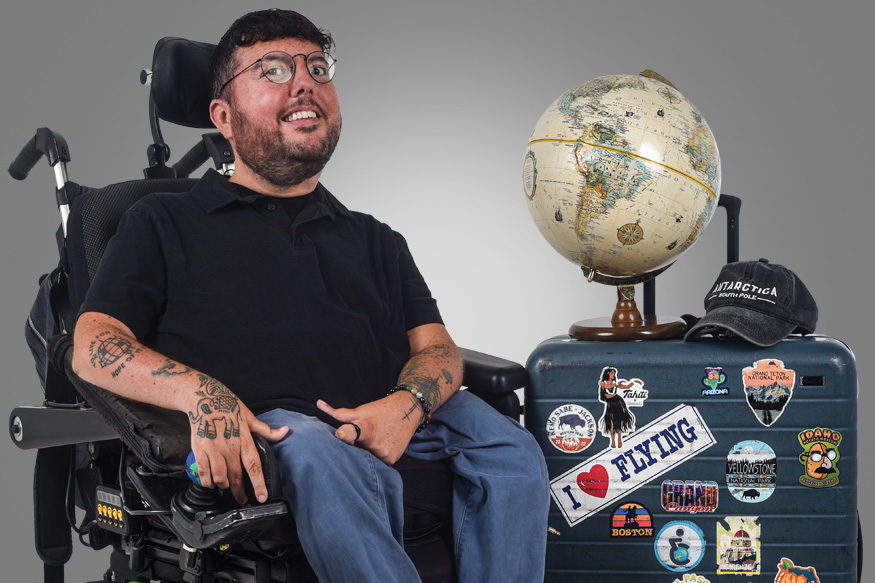
Cory Lee, 36
Wheelchair-Accessible Travel Blogger & Advocate | @curbfreecorylee
Cory Lee is a travel writer and accessibility advocate who has traveled to all seven continents to highlight inclusive travel. He is the founder of The Curb Free Foundation, a nonprofit that provides travel grants to wheelchair users. Lee has appeared on “The Kelly Clarkson Show” and PBS’ “Samantha Brown’s Places to Love,” and his work has been featured in publications including Condé Nast Traveler, National Geographic, The Points Guy and Travel + Leisure.
How did you decide on your career path?
I was about to graduate college with a degree in marketing and was planning my college graduation trip to Australia. As I started researching accessibility in Australia, I realized there was a severe lack of accessible travel information on the internet. I wanted to make accessible travel information easier to find, so I launched my blog, Curb Free with Cory Lee.
What action or strategy has propelled your career the most?
I think that being brave enough to get outside of my comfort zone has propelled my career the most. I have gone paragliding through the Swiss Alps, hot air ballooning over volcanoes in Spain, snow skiing in Oregon, zip lining over a pond full of alligators in Florida — these are probably all things that someone may assume wouldn’t be accessible for a wheelchair user. But I’m on a mission to show what is possible to my audience, and by pushing myself to do more, I’ve gained a loyal following that’s constantly tuning in to see what I’ll do next.
Do you have a career mentor? If so, what’s one lesson that’s stayed with you?
I don’t really have a “mentor,” but I’ve definitely taken lessons from the many people within the disability community that came before me, such as Judy Heumann, Ed Roberts and so many others. Their advocacy work has inspired me to try to make the travel industry more inclusive.
What’s your one hope for Chattanooga?
I would love for Chattanooga to be known as a leading accessible destination in the U.S.
In what ways are you seeing AI change the work you do?
For many people with disabilities, aspects of AI can be extremely beneficial. As someone with weakened muscles, it’s challenging for me to type on a computer, but AI can listen to me and then dictate what I’m saying, so it does save me time, and I’m able to do more and create more content because of it. But on the flip side, AI is making it harder for travel blogs like mine to rank in Google results. AI is ranking higher in search results than articles that were written by actual people that have experienced the destinations — and that certainly needs to change.
What is your guiding leadership philosophy?
To always remember who I’m helping and why I started. I believe effective leadership comes from staying connected to the people you help and the purpose behind your work. When you lead with that awareness, your decisions stay empathetic and impactful.
What’s a fun fact about you that most people wouldn’t know?
I became the first person to visit all seven continents in a power wheelchair!
What makes a perfect weekend in the Chattanooga area?
I really love attending festivals in the area, and there are so many great ones to choose from! I also enjoy trying new restaurants, and it seems like a new restaurant pops up every week.
What’s the last book you read or movie/series you watched?
I recently watched the series “HACKS” and absolutely loved it! It’s hilarious, and I’m sad that it’s ending with the fifth season.
If you could add one thing to the city, what would it be — and why?
I would be so happy if Chattanooga had wheelchair accessible Ubers, Lyfts or taxis. As far as I’m aware, there aren’t any currently, and having wheelchair accessible vehicles readily available would really help Chattanooga shine as an accessible city.
When you have visitors in town, where do you take them?
I love taking them to the Arts District, getting a coffee at Rembrandt’s, and then visiting a museum or the Incline Railway (it became wheelchair accessible a few years ago, finally!). And ending the day with dinner at Boathouse is always a good idea.
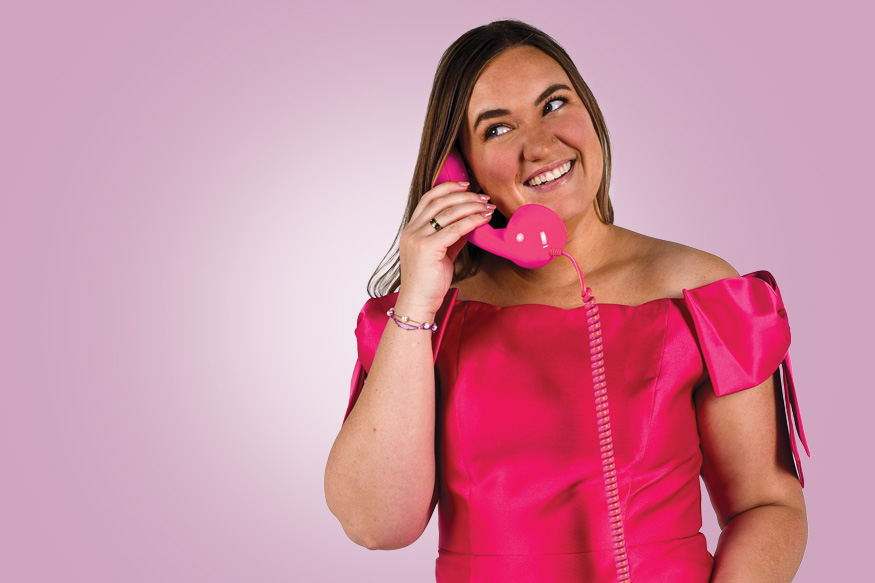
Hannah Mitchell, 27
Associate Marketing Coordinator, Chattanooga Area Chamber of Commerce | Founder, girlCHAT
Hannah Mitchell works in marketing at the Chattanooga Area Chamber of Commerce, where she manages content, social media and publications that support local economic development. She is the founder of girlCHAT, a community-driven initiative designed to create meaningful connections and experiences for women in Chattanooga. Through girlCHAT, she partners with local nonprofits including the Chattanooga Area Food Bank, Habitat for Humanity, the Chattanooga Zoo and National Park Partners. Mitchell is also an adjunct professor at the UTC where she teaches sport marketing each spring.
How did you decide on your career path?
My career path has been shaped by a willingness to explore and the ability to pivot when something doesn’t feel like the right fit. I began college studying psychology and criminal justice with the intention of pursuing a career with the FBI. After going through the FBI internship interview process early on, I realized that wasn’t aligned with what I ultimately wanted.
Around the same time, I was introduced to athletic marketing through an internship at Murray State. That experience completely changed my career trajectory. I gained hands-on experience working game days, engaging fans, and supporting event execution, which sparked an interest in marketing and events.
That foundation led to a full-time role in sport sponsorships at Murray State before I graduated, and eventually to UTC, where I worked in athletic marketing for about four years. In that role, I oversaw marketing efforts for multiple sports programs. I also had the opportunity to work large-scale events, including the Super Bowl, Waste Management Phoenix Open, Southern Conference Basketball Tournaments and NIT Tournament, which furthered my love for high-impact event marketing.
While I enjoyed my time in athletics, I ultimately wanted a role that offered more consistency while still allowing me to be creative and community-focused. That led to my current position as associate marketing coordinator at the Chattanooga Area Chamber of Commerce, where I manage social media and support broader marketing initiatives. This role allows me to combine my background in marketing with my passion for connecting people and supporting the local community.
What action or strategy has propelled your career the most?
Saying yes to hands-on opportunities and using them as a way to build both experiences and relationships. I pride myself in taking every opportunity to be involved, and that willingness to step in and learn quickly has accelerated my growth.
Equally as important has been building strong relationships. Many of the opportunities I’ve had have been a direct result of connections made and relationships built.
Do you have a career mentor? If so, what’s one lesson that’s stayed with you?
While I don’t have a formal career mentor, I do draw a lot of inspiration from peers and friends working in social media and event production who I regularly learn from and collaborate with.
While I’ve never met him, one of the most influential voices for me has been Jesse Cole with the Savannah Bananas. His approach to marketing and the event experience has significantly shaped how I think about my own work. One lesson that has stayed with me is his idea that “normal gets normal results.” This idea has pushed me to avoid defaulting to the “normal” standard approach and instead think more creatively and intentionally about how to capture attention and create memorable experiences.
What’s your one hope for Chattanooga?
My hope for Chattanooga is that we continue to grow as a city that prioritizes and protects community. Across my work with girlCHAT and the Chamber, I’ve seen how powerful it is when people are given intentional spaces to connect. I think we’ve been conditioned to believe that success or strength comes from doing everything independently, but I don’t agree with that. Some of the most meaningful growth I’ve seen has come through community, collaboration, and support systems that allow people to show up as they are and not feel alone in doing so.
In what ways are you seeing AI change the work you do?
In my work with the Chamber, I’ve seen AI become a helpful support tool for increasing efficiency, particularly with copyrighting, brainstorming, and streamlining workflows. It allows me to move faster in early-stage planning and refine messaging more efficiently. That said, I use AI intentionally and with clear boundaries. I do not use it for creative design work, image generation, or video production, as I believe those areas still require originality and a strong understanding of brand voice.
I also think it’s important to be mindful of how AI is used publicly in marketing. From a brand standpoint, audiences are hyper aware of when content feels like AI, and that perception can influence how authentic and trustworthy your audience views your brand. Because of that, I use AI strictly as a support tool. AI can enhance human work but not replace it.
What is your guiding leadership philosophy?
My guiding leadership philosophy is that I should never ask someone to do something that I’m not willing to do myself. I believe effective leadership is rooted in example setting. This also ties into credibility, another important part of leadership. If I am encouraging my audience to attend events, I should participate in those events as well. That alignment builds trust internally with team members and externally with the community we serve.
What’s a fun fact about you that most people wouldn’t know?
That I auditioned for “The Voice” a few years ago and made it to the final round of auditions before the show’s Los Angeles selection process! Outside of my professional work, I love singing, sourdough, and am currently exploring more creative opportunities through theater.
What makes a perfect weekend in the Chattanooga area?
A perfect weekend depends on the season, but here’s some of my favorite things:
For breakfast: a coffee from Sleepyhead Coffee, breakfast sandwich from Brothers Bagel, or a chocolate croissant from Oui Oui Boulangerie, one of my newer favorite spots!
For lunch: something casual but local. My favorites are Bleu Fox Cheese Shop and Bollywood Taco.
For dinner: Tony’s Pasta for something fancier, Oddstory Brewing Co. for something more casual
During the day: My typical weekends are spent visiting the Chattanooga Zoo or Tennessee Aquarium, walking through the Chattanooga Market (or another local market — there are so many of them!), or catching a Lookouts or UTC game.
To end the day: I usually like to find live music somewhere, especially Riverfront Nights. I love hanging out at Overboard Bar & Grille on the Southern Belle Riverboat’s patio listening to the music. I also love Unknown Caller, Reagan’s Retro Bar, and HOME.
What’s the last book you read or movie/series you watched?
The last book I read was “Untamed” by Glennon Doyle. It’s a book centered around self-discovery and challenging the beliefs we inherit versus the ones we truly choose for ourselves.
If you could add one thing to the city, what would it be — and why?
Chattanooga already has strong outdoor spaces, events and community programming, but I think there is still room for more “in the moment” experiences. We could use more things you can do on a random weekday that don’t require planning ahead or attending a scheduled event. Maybe rotating immersive art experiences, pop-up concepts that change regularly, etc. These experiences create spontaneity and shared moments between people who might not otherwise cross paths. From a marketing and community-building perspective, that opens the door for strong connections.
When you have visitors in town, where do you take them?
Most often, I am taking people to the Tennessee Aquarium and the Riverwalk, and then to Oddstory Brewing Co.
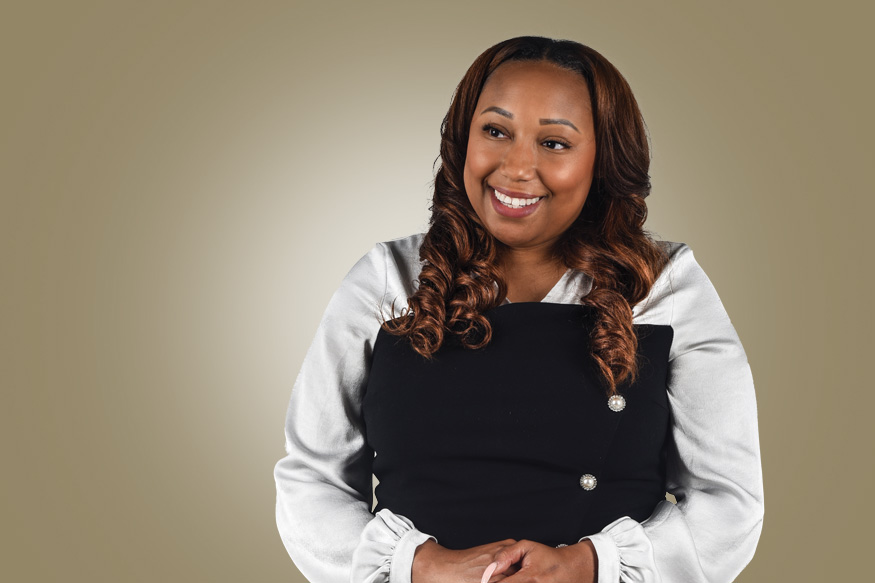
Marissa Player, 39
Southeast Regional Coordinator for the Tennessee Commission on Children and Youth
As the Southeast Regional Coordinator for the Tennessee Commission on Children and Youth, Marissa Player works to strengthen support systems for children and families. She is also the co-founder of the Girls Leadership Summit, an initiative focused on building confidence, leadership and resilience in young girls. Player is a graduate of Leadership Chattanooga, a member of the National Coalition of 100 Black Women, and owner of RP Consulting & Management Firm, where she provides counseling and professional development services.
How did you decide on your career path?
My career path was shaped by both lived experience and a deep calling to advocate for others. As a trauma survivor with an adverse child experience (ACE) score of eight, statistics may have suggested I would struggle to overcome adversity, but I chose to let my story become a source of purpose, not limitation.
Just as importantly, I was raised by parents who poured their belief in my future into me. My father always saw a big purpose for my life, even in difficult seasons, and it instilled in me the conviction that my story could be used to serve others. My mother was a constant champion, believing in me, encouraging me, and speaking life into me even when others doubted what I could achieve.
Having experienced adversity firsthand, I am deeply committed to helping policymakers, systems leaders, and those in positions of influence understand that life is not one-size-fits-all. I believe young people should never be defined by trauma, mistakes, or the odds stacked against them, but by their potential, resilience and opportunity to thrive.
What action or strategy has propelled your career the most?
The strategy that has propelled my career the most has been leading with purpose, building authentic relationships, and never being afraid to use my voice. I have always believed meaningful change happens at the intersection of advocacy and connection, and much of my work has been propelled by bringing people together community leaders, policymakers, systems partners, and families to create solutions that improve outcomes for young people.
My lived experience has also shaped a leadership style rooted in resilience and authenticity. Rather than allowing adversity to define me. I use my story as a source of strength and credibility, helping others see the power of second chances and policies that reflect real lives.
Do you have a career mentor? If so, what’s one lesson that’s stayed with you?
Yes. I have been blessed with mentors throughout my journey who have helped shape my leadership and purpose. One lesson that has stayed with me is that my story is not a liability — it is part of my leadership. That lesson helped me understand that lived experience, compassion and authenticity are strengths, not weaknesses, especially in work centered on advocacy and systems change.
Another lesson that has deeply guided me is to lead with relationships, not titles. Mentors have taught me that lasting impact comes from building trust, listening well and serving with humility.
Perhaps the lesson I carry most is simple but powerful: be at the table, and when necessary, help build a bigger table. That has reinforced my commitment to ensuring young people, families, and often unheard voices are represented in spaces where decisions are made.
What’s your one hope for Chattanooga?
My hope for Chattanooga is that it becomes a community where every child, every family and every neighborhood has a real opportunity to thrive. A city where collaboration outweighs silos, where systems work together for people and where young people — regardless of their zip code or circumstances — are seen, supported and given pathways to reach their full potential.
My hope is that Chattanooga continues to be a place that leads with both innovation and compassion where policy, community, and opportunity intersect to create lasting change. At the heart of that hope is a belief that Chattanooga can be a model city where resilience is nurtured, voices are heard and every young person knows they matter.
In what ways are you seeing AI change the work you do?
I see AI as a tool that is helping expand impact, improve efficiency, and strengthen innovation in my work. In roles centered on advocacy, systems change, and community engagement, AI has the potential to support research, data analysis, communications, and strategic planning in ways that allow more time to focus on people and relationships.
I have seen AI help streamline tasks like developing materials, analyzing information, strengthening messaging, and generating ideas that can support policy discussions and community initiatives. In many ways, it has become a thought partner that can enhance productivity and help move ideas into action more quickly. At the same time, I believe AI should complement not replace the human judgment, empathy, and lived understanding required in work with children, families, and communities.
What is your guiding leadership philosophy?
My guiding leadership philosophy is rooted in servant leadership — leading with purpose, humility and a commitment to lifting others as I do so. Leadership is less about position and more about influence, relationships and creating pathways for others to grow and succeed.
At the core of my philosophy is the belief that people should be seen for their potential, not defined by their challenges. I also guide by the belief that leadership means using your voice for those whose voices are often overlooked, while helping others find and use their own.
What’s a fun fact about you that most people wouldn’t know?
A fun fact most people may not know about me is that some of my favorite moments happen at home having dance parties with my four kids. In the middle of a busy life centered on advocacy and leadership, those spontaneous dance breaks are one of my favorite ways to laugh and recharge. They remind me to lead life with joy, not just purpose — and that sometimes the best therapy is turning up the music and dancing in the kitchen.
What makes a perfect weekend in the Chattanooga area?
A perfect weekend for me is a mix of family and community. While I am an introvert by nature, I deeply value being surrounded by both my blood family and my chosen family. It might mean cheering on my son at the track field, spending quality time at home watching Disney movies with my youngest two or simply sharing meaningful moments with the people I love most.
What’s the last book you read or movie/series you watched?
The last books I read were “The Art of Letting Go” by Nick Trenton and “Look for Me There” by Luke Russert. Both helped me process the loss of my father, who passed away three years ago.
If you could add one thing to the city, what would it be — and why?
More intentional spaces where young people feel inspired and connected — places that blend mentorship, leadership development, mental wellness, and opportunity. When we invest in young people early, we strengthen the future of the entire city. Chattanooga has tremendous assets, and expanding spaces that nurture belonging, purpose and opportunity for youth would deepen that impact. For me, one of the greatest things a city can offer is not just places to go, but places where young people can grow.
When you have visitors in town, where do you take them?
I would take visitors to Davis Wayne’s because it mixes great Southern food with a welcoming Southern atmosphere that feels true to Chattanooga. For activities, I would maybe take guests on a trip to Lookout Mountain, a walk across the Walnut Street Bridge, or along the riverfront. Depending on the day, I might add a visit to the Tennessee Aquarium or just enjoy exploring downtown.
Rachael Ruiz, 39
Partner, Miller & Martin PLLC
Rachael Ruiz is a partner at Miller & Martin PLLC, where she focuses on commercial real estate transactions and nonprofit governance. She represents developers, lenders, and corporate clients in property acquisitions, leasing, financing, restrictive covenants, and complex closings and serves as general counsel for multiple Chattanooga nonprofit organizations. She has been recognized in “Best Lawyers: Ones to Watch” and as a Mid-South Super Lawyers Rising Star. A former Peace Corps volunteer in Nicaragua, she is active in conservation work through board service with the Lula Lake Land Trust and previous service with the Chattanooga Audubon Society.
How did you decide on your career path?
My eighth-grade science teacher told me that if I went to law school, that I could do anything. That really stuck with me. After serving two years in the Peace Corps, law school felt like the next natural step. I wanted a career where I could make an impact, and now I get to spend my days helping my clients achieve their goals.
What action or strategy has propelled your career the most?
I really enjoy getting to know my clients. As I get to know them, I learn the best ways to advise them and their organizations. It is personal to them and personal to me, and that creates trust. A significant part of my role as an attorney is counseling my clients, and trust is crucial to that relationship.
Do you have a career mentor? If so, what’s one lesson that’s stayed with you?
I am fortunate to have many career mentors who are both my advocates and my friends. I’ve learned that a good mentor will happily give career advice. A great mentor will not only provide advice and guidance but will also lift you up by advocating for you behind closed doors. It is one thing to teach someone key skills; it is quite another to provide an opportunity to let those skills shine.
What’s your one hope for Chattanooga?
I hope Chattanooga continues to be a place that my daughters would want to return to after seeing the world. Like many in town, I am a Chattanoogan “boomerang” — I grew up here, left for college and other adventures. After visiting and living in many parts of the world, I ultimately came back to Chattanooga because it is a great place to live and raise a family. I hope the same remains true decades from now.
In what ways are you seeing AI change the work you do?
AI can be a great tool, but I think may people are finding that it creates the illusion of efficiency, while in reality creating more work. We still need to take the time to check its hallucinations both in legal research and in contracts. There have been a few headlines about this over the past few months. In my day-to-day work, we receive contracts that were drafted by AI. While they may appear professional at first glance, it actually takes more work to redraft them than a contract originally drafted by an attorney.
What is your guiding leadership philosophy?
I believe in relational leadership philosophy: leading by example, in shared responsibility and in collaboration. I value diverse perspectives, consider all input before making decisions, and value an environment of trust while trying to focus on the bigger picture.
What’s a fun fact about you that most people wouldn’t know?
I received a football scholarship to Tulane University. No, I was not the kicker — I was an equipment manager!
What makes a perfect weekend in the Chattanooga area?
When the weather is nice, nothing beats being outdoors in Chattanooga! We love a short hike or visit to a park with the kids followed by dinner at a restaurant with outdoor seating.
What’s the last book you read or movie/series you watched?
“The Power” by Naomi Alderman
If you could add one thing to the city, what would it be — and why?
I would love an international food hall with restaurant options from all over the world.
When you have visitors in town, where do you take them?
We take them to Calliope, Second American, Easy Bistro and Chattanooga Whiskey tours. If they have kids, we love going to the Creative Discovery Museum, Aquarium and the Chattanooga Zoo.
Melody Shekari, 38
Attorney | Executive Director, Women’s Fund of Greater Chattanooga
Melody Shekari is an attorney and community leader serving as executive director of the Women’s Fund of Greater Chattanooga, where she focuses on initiatives that support women and girls. She also serves on the Industrial Development Board for the City of Chattanooga and on the board and as secretary of the American Civil Liberties Union of Tennessee. She is active in legal and civic service through the Tennessee Bar Association Young Lawyers Division, provides support through Legal Aid of East Tennessee, and also serves as an officer of election with the Hamilton County Election Commission.
How did you decide on your career path?
My career path has been shaped by my mom and mentors, valuable opportunities, and a little bit of luck. I’ve always been drawn to justice, from the courthouse to Capitol Hill. Recently, someone commented on my willingness to share legal information with some folks that I had just met. I think that reflects an important part of who I am, an empowered woman with a genuine desire to help people.
What action or strategy has propelled your career the most?
Running for Congress in 2016 propelled my career the most. It raised my name recognition, taught me about myself as well as respecting others and introduced me to some of the best people that I know in Chattanooga. It was a scary thing to do when I was too young to think twice about it! But it also caused people to take me seriously and opened doors and conversations. It also put me on the path to fight for civil rights, represent the underrepresented and lead organizations and people.
Do you have a career mentor? If so, what’s one lesson that’s stayed with you?
I’ve had mentors that have steered me in the right direction (to get a master in public administration, to run for public office), and I’ve taken their advice seriously because they were willing to see me and give me advice that worked for me. Now, when I’m asked to sit down with someone, I really try to listen to their goals and interests before giving advice — because I want to help them go down their own path, not mine.
What’s your one hope for Chattanooga?
One hope that I have for Chattanooga is that it continues to grow but in a way that benefits everyone. We need economic development, but we also need to make sure that longtime residents, working families, and underserved communities have access to opportunity. We can only do that by continuing to innovate and invest in public education, affordable housing, public spaces and community-driven solutions so that our future growth is inclusive and sustainable.
In what ways are you seeing AI change the work you do?
I’m seeing AI being implemented before there are clear standards around transparency, privacy, accuracy or accountability. Much of my work involves addressing these types of challenges, and while I’m willing to consider and discuss the benefits, I do think we need to have a societal discussion on addressing the challenges, with corresponding policies to protect the public and ensure accountability.
What is your guiding leadership philosophy?
My guiding leadership philosophy is rooted in collaboration, mutual respect and open communication. I’m a big fan of participative decision-making processes, which take more time but often leads to better outcomes, engagement and creativity (often called Democratic leadership style).
What’s a fun fact about you that most people wouldn’t know?
I think a fair number of people now know that I am a monthly volunteer diver — swimming with the sharks at the Tennessee Aquarium! It’s a great way to give back, conquer a fear and exercise/meditate.
What makes a perfect weekend in the Chattanooga area?
A perfect weekend in Chattanooga includes community (like a project Jon Jon Wesolowski may be working on), the outdoors (riverwalking, kayaking or hiking), a bookstore (Book & Cover, The Reading Room) and good times at a local place (Boneyard, Rosecomb, etc.).
What’s the last book you read or movie/series you watched?
I read a lot of intense books. The last one I read was by a Turkish writer, Elif Shafak — “There are Rivers in the Sky,” a great mix of history, environment and more.
If you could add one thing to the city, what would it be — and why?
I would add the funding/culture to support public transportation as the primary mode to get around the city — it would reduce traffic, increase safety, increase health and wellbeing, reduce pollution and more!
When you have visitors in town, where do you take them?
I would take them to the Tennessee Aquarium and Rosecomb.
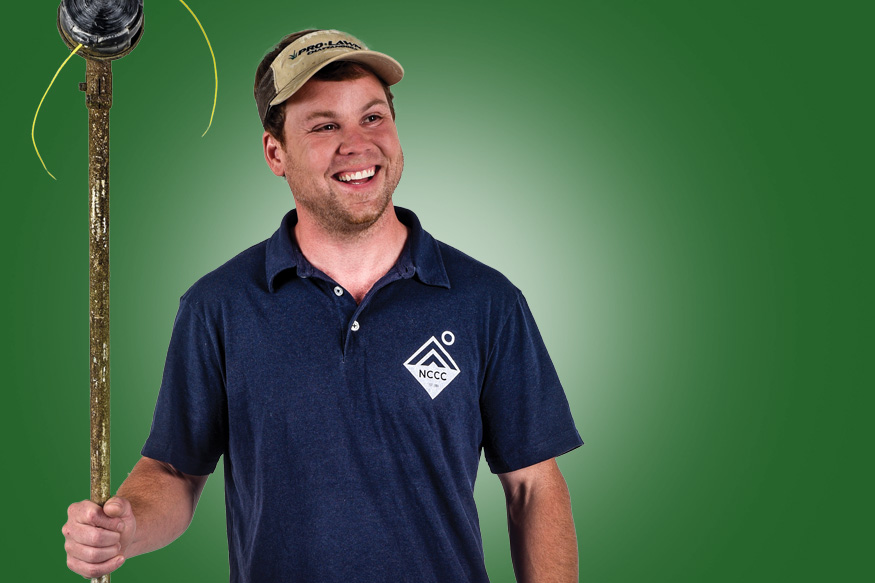
Taft Sibley, 39
Owner, Pro Lawn Chattanooga | Property Developer & Conservation Leader
Taft Sibley owns and operates Pro Lawn Chattanooga, a commercial landscaping company. He also works in real estate with Merchant Land Holdings where he focuses on acquisitions and development with responsible land use. Sibley is active in conservation, serving as a current board member and past president of the North Chickamauga Creek Conservancy and as a board member of National Park Partners. He played a key role in advancing Walden’s Ridge Park, a 200-acre public greenspace. He also is a world-class freestyle kayaker and member of USA Freestyle Kayaking, as well as an endurance athlete who competes at international levels.
How did you decide on your career path?
My earliest decisions were based on finding a decent job and learning as much as possible about the industry. From there, it was a waiting game to find the right place.
What action or strategy has propelled your career the most?
Bearing down, figuring out the challenge and taking the risk.
Do you have a career mentor? If so, what’s one lesson that’s stayed with you?
I have been fortunate to have many mentors throughout the past couple of decades. Too many to name but they know who they are. A word of advice shared in an interview with my first professional employer was to “find what cranks your tractor.” It took some time, but I’ve found it. More recently, a mentor shared his philosophical decision making approach: “It’s either a hell yes, or a no.”
What’s your one hope for Chattanooga?
That we maintain our identity, culture, sense of community and philanthropy.
In what ways are you seeing AI change the work you do?
AI is certainly shaping aspects all industries, but I have settled on a career mix which I believe is safe from automation. Labor ethic and critical thinking are difficult to replicate with artificial intelligence. While the technology has advantages for quick tasks, it is critical that we do not become reliant for everything we do.
What is your guiding leadership philosophy?
To work alongside others, never above or below.
What’s a fun fact about you that most people wouldn’t know?
My grandfather was born in 1888.
What makes a perfect weekend in the Chattanooga area?
A run on Lookout, a trip of the Ocoee and time with friends.
What’s the last book you read or movie/series you watched?
“Our Southern Highlanders” by Horace Kephart.
If you could add one thing to the city, what would it be — and why?
A bypass.
When you have visitors in town, where do you take them?
Some things are better left unshared.
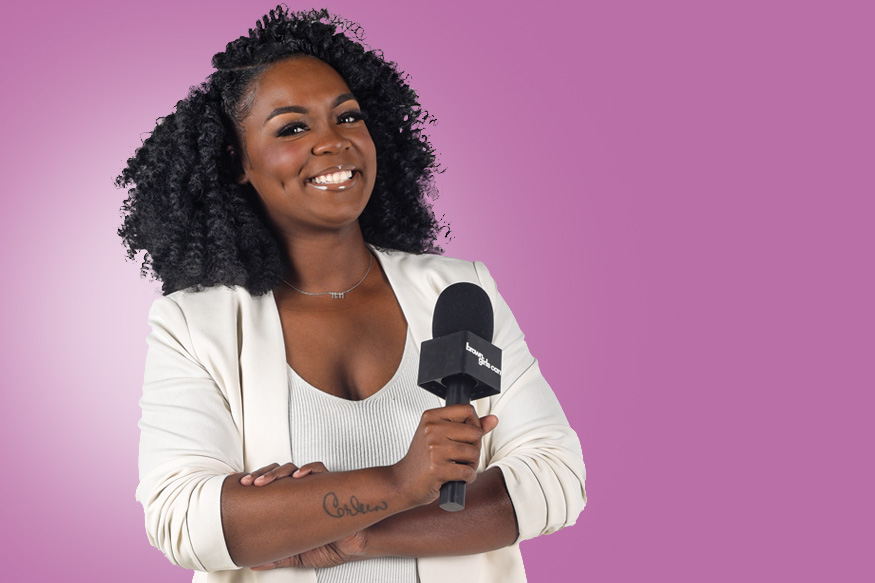
Shateria Smith, 35
Founder & Executive Producer, brown girls can:
Shateria Smith is an entrepreneur and media producer best known as the founder of brown girls can:, a multi-platform empowerment movement for Black women and girls. She also serves as the creative programming director at RISE Chattanooga and BOOM powered by RISE, where she coaches emerging creators and creates opportunities for diverse voices to be heard.
How did you decide on your career path?
Honestly, I didn’t decide on my career path — it chose me. I’ve always been drawn to creativity, storytelling and bringing people together, and over time, those things naturally turned into the work I do today. What started as passion projects and ideas evolved into platforms, programs and opportunities that now impact others.
I followed what felt aligned, what felt natural and what felt necessary — not just for me, but for the people I’m called to serve. Every step has been a combination of faith, curiosity and trusting that what keeps calling you is worth answering.
What action or strategy has propelled your career the most?
The biggest strategy that’s propelled my career is following my highest passion without attachment to the outcome — and honestly, being a little delusional.
I’ve learned that when you move from a place of genuine excitement and alignment, you show up differently. You create differently. And that energy opens doors you couldn’t have planned for.
I believe in thinking bigger than what’s in front of you –before the proof shows up. Being “delusional” to me means believing in a vision that doesn’t exist yet and moving like it already does. This strategy has helped me birth so many ideas and business strategies.
Instead of chasing titles or forcing a path, I focused on what felt natural, what felt fulfilling and what I couldn’t ignore. That mindset has allowed me to build freely, take bold risks and create opportunities on my own terms. Releasing expectations and trusting my vision has been my greatest advantage.
Do you have a career mentor? If so, what’s one lesson that’s stayed with you?
I believe everyone I’ve come into contact with has been my teacher in some way. Whether it’s through direct mentorship, observation, or even challenges, every experience has given me something to grow from. I pay attention to people — the way they move, the decisions they make, and the lessons they leave behind.
I’ve also had strong accountability mentors in leaders like Shane Morrow and Tamara Steward, who have challenged me to stay consistent, think bigger, and truly execute on the vision I say I have.
On a broader level, I’m inspired by women like Issa Rae and Oprah Winfrey — women who have built powerful, multi-dimensional careers across industries. Watching them create their own lanes reminds me that there are no limits.
The one lesson? If they can do it, I can too. Why not me? That belief — that it’s all possible — is the lesson I carry with me every day.
What’s your one hope for Chattanooga?
My hope for Chattanooga is that we truly learn how to support one another.
If someone is doing something impactful, instead of creating another version of it, I hope we pause and ask, “How can we partner? How can we make this bigger together?” I believe the focus should be on elevating the idea — not competing for attention around the person. That’s how real commUNITY is built.
Community work shouldn’t feel like a competition. It should feel collaborative, aligned and expansive. There is more than enough room for all of us to win — especially when we work together.
At the end of the day, teamwork really does make the dream work — and I hope Chattanooga continues to grow in that direction.
In what ways are you seeing AI change the work you do?
AI is helping me elevate my ideas and execute them faster.
I’ve always had an ability to move quickly from idea to tangible thing, and I believe that speed matters. The quicker you can bring an idea to life, the closer you are to the magic.
AI has amplified that for me. It allows me to brainstorm, build, refine, and produce at a pace that wasn’t as accessible before — without sacrificing my creativity. Instead of sitting on ideas, I’m able to test them, shape them and share them in real time.
What is your guiding leadership philosophy?
To be your authentic self in every room, every time, in front of every person.
I believe authenticity is your greatest advantage and technically your superpower. When you show up fully as yourself — unapologetically and consistently — you give other people permission to do the same. That’s where real connection, trust, and impact are built.
I don’t believe in shrinking, code-switching, or becoming a version of yourself to fit the room. I believe in being the room — bringing your full presence, your voice, and your vision with you; taking up space wherever you go.
For me, leadership starts with self-awareness and the courage to show up as who you truly are — every single time.
What’s a fun fact about you that most people wouldn’t know?
A fun fact about me is that I’m always thinking in “big picture” mode — even in the smallest moments. I can be in a random conversation or experience and instantly start seeing how it could turn into a concept, a platform, or something impactful. My brain doesn’t really turn off — it’s always creating, expanding and imagining what something could become. I naturally see potential everywhere.
What makes a perfect weekend in the Chattanooga area?
A perfect weekend in Chattanooga looks like a mix of good energy, community and creativity. It starts with brunch — somewhere with great music and even better conversation — followed by exploring the city, whether that’s walking the bridge, being near the water, or tapping into something cultural or community-driven.
What’s the last book you read or movie/series you watched?
I’ve been rewatching “Insecure” on HBO. There’s something about the storytelling, the creativity, and how real and relatable it is that keeps pulling me back. Every time I watch it, I notice something new — whether it’s the writing, the character growth, or the way it captures culture so effortlessly.
The last book I read was “Sell Like Crazy” by Sabri Ruby.
If you could add one thing to the city, what would it be — and why?
A permanent creative hub and cultural experience space for Black and Brown women and girls. A place where creativity, entrepreneurship, storytelling and community all live under one roof. Somewhere you can walk in and feel inspired, seen, and supported — whether you’re there to learn, create, collaborate or simply be in the energy of possibility.
I think spaces like that shift cities. They don’t just support individuals — they build ecosystems, spark ideas, and create access in ways that can change entire trajectories.
When you have visitors in town, where do you take them?
I usually take visitors to Davis Wayne’s or Pier 88 Boiling Seafood & Bar for food — both are great for good vibes and a solid meal. After that, we’ll take a walk at Heritage Park to enjoy the scenery and just be outside for a bit. To top it off, we’re definitely stopping by Bruster’s Real Ice Cream for something sweet.
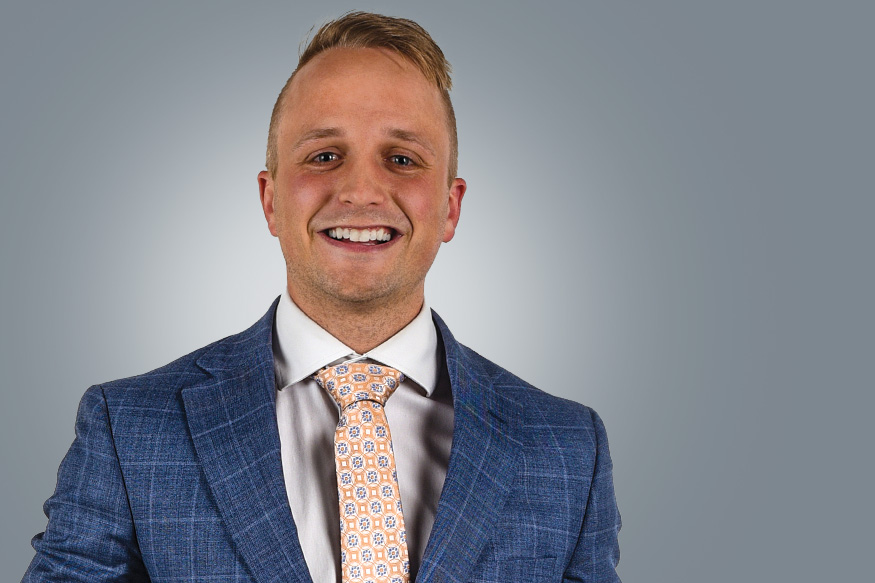
Hank Warren, 30
Personal Injury Attorney, Warren & Griffin
Hank Warren is a personal injury attorney at Warren & Griffin, where he represents clients in cases involving vehicle accidents, premises liability, and nursing home negligence. His work includes community outreach and reflects the firm’s ongoing commitment to local nonprofits including the Chattanooga Food Bank, the Kidney Foundation, United Way, Chambliss Center for Children, the American Heart Association and the Chatt Foundation.
How did you decide on your career path?
I am passionate about representing or fighting for the underdog. (Proverbs 31:8)
What action or strategy has propelled your career the most?
Empathy
Do you have a career mentor? If so, what’s one lesson that’s stayed with you?
Yes, my father. The art of persuasion.
What’s your one hope for Chattanooga?
To continue growing and thriving while preserving the unique charm that makes it special.
In what ways are you seeing AI change the work you do?
Playing devil’s advocate, conducting legal research, analyzing data and drafting documents.
What is your guiding leadership philosophy?
Lead by example, serve others and remain approachable.
What’s a fun fact about you that most people wouldn’t know?
I’m passionate about wake surfing, pickleball and going on trail runs with my dog, Disco.
What makes a perfect weekend in the Chattanooga area?
My wife and I having a date night in Cambridge Square and going on the lake with friends.
What’s the last book you read or movie/series you watched?
“The Work Retreat” on Amazon Prime.
If you could add one thing to the city, what would it be — and why?
Increase public art throughout downtown to showcase local artists and highlight what makes this city special.
When you have visitors in town, where do you take them?
Il Primo and a hike to Point Park.
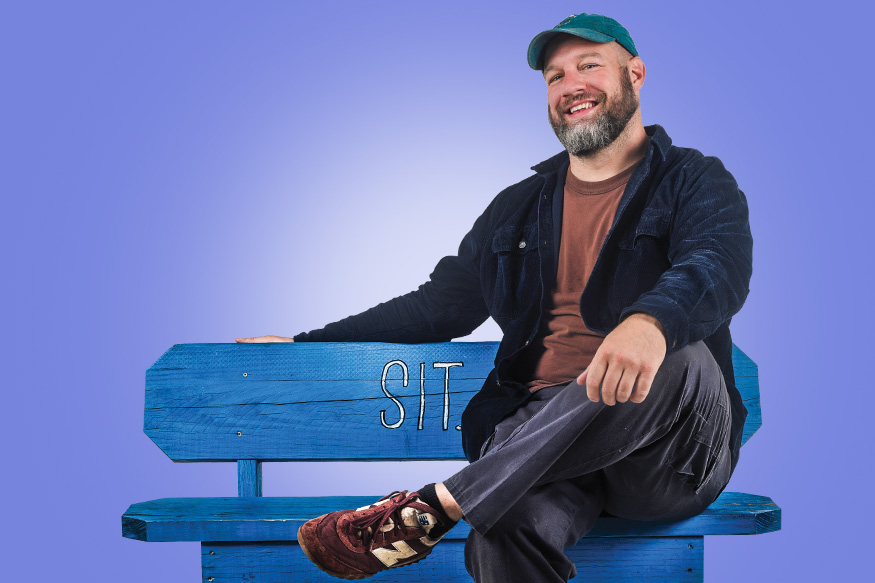
Jon Jon Wesolowski, 37
Urbanist, Community Advocate, Media Strategist | Co-founder, The Happy Urbanist
Jon Jon Wesolowski, also known as “The Happy Urbanist,” is a content creator focused on walkability, pedestrian safety and better street design. He can be found on TikTok and Instagram (@jonjon.jpeg), where he has garnered more than 560,000 followers through videos talking about infrastructure issues and community-led efforts to improve neighborhoods. He’s also a founding member of the Chattanooga Urbanist Society, a group dedicated to improving pedestrian and cyclist safety.
How did you decide on your career path?
My path wandered in a way I couldn’t have predicted. I always loved cities and thought I’d design them, but when I didn’t follow the traditional route (school, credentials, planning office) I figured that dream had passed me by.
Then I found an audience as an armchair urbanist before I ever had formal experience working in the city. It felt like a second life for that same calling.
And strangely, not having the title helped. It opened doors that might’ve stayed closed if I’d come in the “official” way.
What action or strategy has propelled your career the most?
TikTok and local action, which still feels like an unlikely pairing. The app most people wrote off as a place for dancing turned out to be a way to find exactly the right audience. I started posting because I saw what algorithms could do — connect niche ideas with people who actually cared.
But the real shift was grounding those big, sometimes heady ideas about cities in very local action. Talking about a specific street, a specific problem, a specific fix. That made the ideas tangible.
I try to act as local as possible, while saying it in a way that lets someone in another city see their own street in it. And that combination, hyper local but widely relatable, ended up being the thing that moved everything forward.
Do you have a career mentor? If so, what’s one lesson that’s stayed with you?
I do, though she’s no longer alive, and I never actually met her. Her name was Jane Jacobs. She wasn’t trained as a planner. She was a writer and a mother who became insatiably curious about how neighborhoods actually work.
She lived in Greenwich Village and helped lead local efforts there to stop projects that would have reshaped the neighborhood and New York City as a whole. Out of that work, she wrote “The Death and Life of Great American Cities,” which changed how people think about cities.
The lesson that’s stayed with me is in one of her most famous lines: Cities have the capability of providing something for everybody, only because, and only when, they are created by everybody.
What’s your one hope for Chattanooga?
A city where you can afford to stay as your life changes, not get pushed out of it.
Safe streets that actually work for people of all ages, not just cars.
And neighborhoods that are alive; full of small, local businesses and people who feel like they belong to the place they’re shaping.
In what ways are you seeing AI change the work you do?
Honestly, I see it over-complicating things. We already have low-cost, low-tech ways to make streets safer and housing more attainable. We know what works, yet more money goes toward studies, data, and increasingly complex plans as if the answer is still out there waiting to be discovered.
I’m not dismissing what AI can do. It’s powerful, and it has its place. But sometimes the promise of a high-tech future keeps us from doing the very real, very doable things in front of us right now.
We don’t always need more information. Sometimes we just need the will to act.
What is your guiding leadership philosophy?
Bias toward action and collaboration. Work with anyone, wait on no one.
What’s a fun fact about you that most people wouldn’t know?
I’m ambidextrous. I write with my left hand, but use my right for things like throwing.
What makes a perfect weekend in the Chattanooga area?
Depends on the weekend. Glass Street block party or Mainx24 go hard. Camping under the stars at Bike Camp with Two Bikes Chattanooga at Reflection Riding Nature Center, then riding with friends to a place like Blue Hole or Lula Lake. Dinner at Little Coyote, then ending at a neighborhood spot for a nightcap. For me, that’s Lo Main or Mean Jeen’s.
What’s the last book you read or movie/series you watched?
“The Design of Everyday Things” by Don Norman, a book showing how human error is usually a lazy explanation for bad design.
If you could add one thing to the city, what would it be — and why?
Revive the small neighborhood centers that once acted like mini downtowns, and connect them with safe, convenient transit. Places like St. Elmo, Highland Park, East Chattanooga, Brainerd, Ridgedale, Rossville and North Chattanooga used to have these everyday hubs where you ran into neighbors just by living your life. Not one big downtown but many small ones.
We’re starting to see it come back, but it needs zoning changes, political will, and real connections between them. When that happens, it gives people more freedom at every age and makes Chattanooga not just a place worth visiting, but a place worth living.
When you have visitors in town, where do you take them?
For an activity, it’s usually a hike or a bike ride. I like telling the story of the Battle of Missionary Ridge from Orchard Knob Reservation, or heading out to Montague Park Sculpture Fields.
Food is never just one stop. You couldn’t do all of this in a day, but it might look like this. Breakfast is pastries from Niedlov’s Bakery & Cafe or a plate at The Skillet. Lunch at Uncle Larry’s Restaurant, especially on $10 Tuesdays. Maybe a snack from Super Carniceria Loa #7. Dinner is a murder burger at Lo Main, or making the pilgrimage to Hamilton Place to eat at OX2.
Note: Taft Sibley’s title corrected on July 6.