
Q: Can loneliness affect our mental and physical health, even when we’re surrounded by people?
A: Absolutely. We can be surrounded by people and still feel unseen, unheard or disconnected. Loneliness is about the gap between the connection we long for and the connection we experience. We may have many interactions throughout the day without having a space where we feel safe enough to say, “I’m struggling,” and trust that someone will listen without judgment.
In my work as a physician, educator and facilitator, I return often to the importance of belonging: feeling welcomed, valued and accepted for who we are. We all need relationships where we can set aside our roles and responsibilities and simply be human.
These connections matter to our health. Loneliness and social isolation are associated with increased risks of depression, anxiety, heart disease and stroke. Caring for our relationships deserves a place alongside the other ways we care for our mental and physical well-being.
Loneliness can also be hidden behind a full calendar or a capable exterior. The person everyone turns to may have no one they feel comfortable turning to themselves. Those of us who spend our days caring for others may need a reminder that we, too, deserve care.
Building connection can begin with small, intentional moments: reaching out to someone, sharing a meal, taking a walk together or joining a community around something meaningful. It can also begin with asking, “What matters to you?” and making time to hear the answer. Deep listening, without rushing to advise or fix, can help us feel heard and understood.
We also share a responsibility to create belonging in our workplaces, families and communities. We can notice who is quiet, invite someone into a conversation, and check in beyond the familiar “How are you?” Then we need to leave room for an honest response.
If loneliness persists or begins affecting daily life, reaching out to a health care provider or mental health professional is an important act of self-care. We do not have to wait until we are overwhelmed to seek support.
We all need places where we can say, “I matter. My story matters. I belong.” Nurturing those spaces is part of how we care for ourselves and one another.
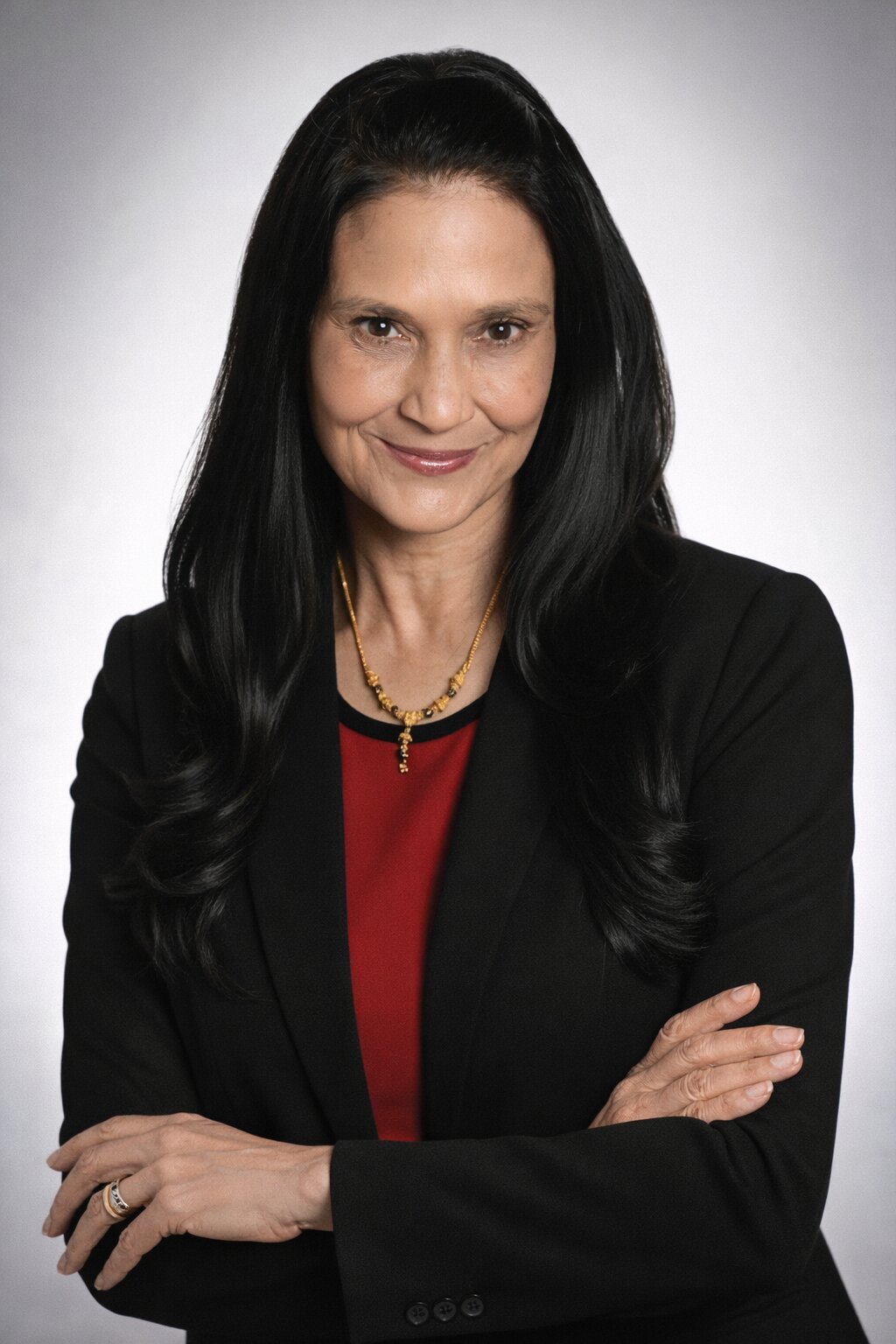
Dr. Mukta Panda is the regional dean of Morehouse School of Medicine, Chattanooga and is a member of the Chattanooga-Hamilton County Medical Society.