

 Studies say that the problem of managing chronic pain is connected with at least 10 percent of suicides, perhaps up to 70 percent.
FAST FACTS• Weather can affect pain. Changes in barometric pressure can cause an increase in pain, especially in those with arthritis.• Losing weight can ease pain. Less weight means less pressure which means less pain on joints and the back.• Exercise lessens painful flare-ups. Exercise can make muscles stronger, loosen stiff joints and help with coordination and balance. Start with low-impact exercises such as walking, swimming and stretching.• Attitude is important. Dwelling on your pain can make it feel worse.• Painkillers are not a sin. Taken as directed, prescriptions rarely become addictive.• Chronic pain is not part of getting older. Some aches and pains are normal with aging, but chronic pain is not.Source: WebMD.com
Aaron Coulter never set out to take his life during his partying phase in college, but he figured if it happened it happened.
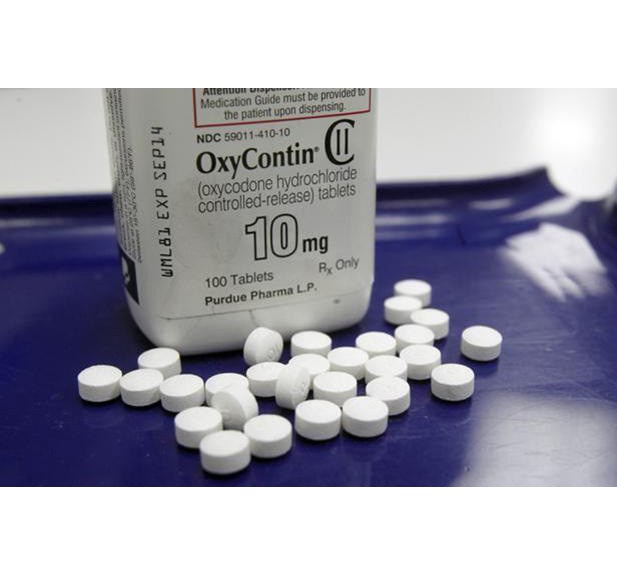
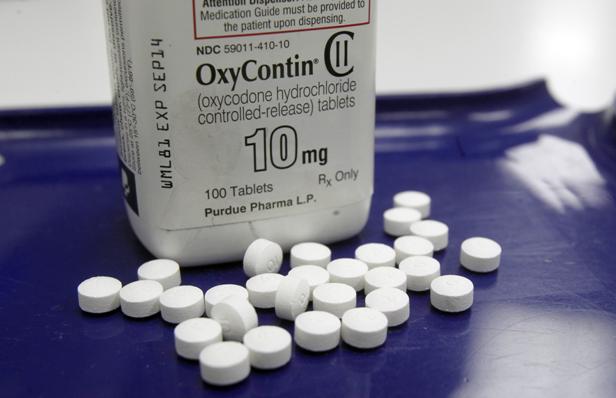
Already taking pain pills for his neurofibromatosis, type 2, a rare genetic condition in which nerve tissue grows tumors, he decided that, if the pharmaceuticals mixed with the alcohol he was drinking and he just never woke up, “I just [didn’t] care.”
“Thankfully,” says Coulter, now 24, “that was never the case, but passively I contemplated it.”
The Dalton, Ga., resident is one of many people today who live with chronic pain and ponder suicide. According to several large-scale studies, at least 10 percent of suicides — and maybe as many as 70 percent — are linked to chronic pain or unrelenting illness.