
HOW TO TAKE A SOIL SAMPLE• What you need: Clean plastic or metal bucket; quart-size, plastic, zip-lock bag; metal or plastic shovel (not zinc or brass).•Dig in: Remove excess grass clippings and organic matter from top of soil. Dig a V-shape groove 6 to 8 inches into the soil for a garden test. Take one sample per 1,000 square feet for a yard; 10 or more samples from a garden or flower bed. After the samples are in the bucket, mix them well then take 1/2 to 1 pint of that soil as your test sample. Place it in the zip-lock bag.• Mark it: Mark the zip-lock bag with your name and a short description of the sample area. Don’t send wet soil; wet samples should be air-dried for best test results.Source: Beaty’s Fertilizer Plant•••SOIL TESTINGUT Extension Office• Download information sheets and sampling instructions online at soilplantandpest.utk.edu/soil/index.htm. The site includes information on how to collect and mail samples to the UT Extension lab in Nashville. Soil sample boxes are available, but collecting the sample in a quart-size, zip-lock bag and mailing it in a sturdy, bubble-wrap-lined envelope will work as well.• Pick up test results at UT Extension Office, 6183 Adamson Circle, off Bonny Oaks Drive• $7 basic pH test, $15 basic pH test plus added minerals.Beaty’s Fertilizer Plant• 3697 Michigan Avenue Road, off Paul Huff Parkway, Cleveland, Tenn.• $5 basic pH test, $25 pH test with added minerals.• Two- to three-week turnaround for test results.
Robert Hall of Apison has worked a vegetable garden about 50-by-100-feet for 50 years, but there’s always something new to learn.
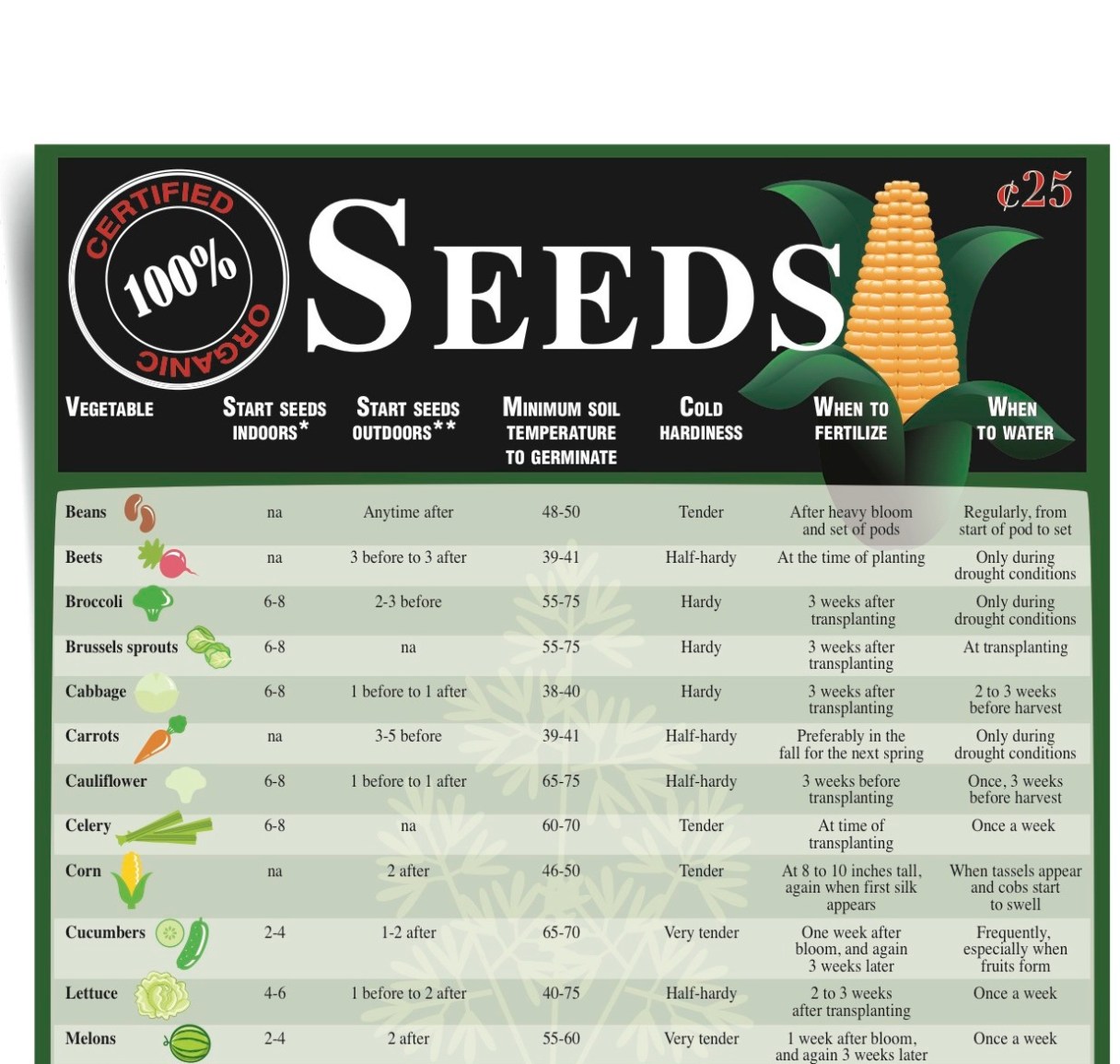
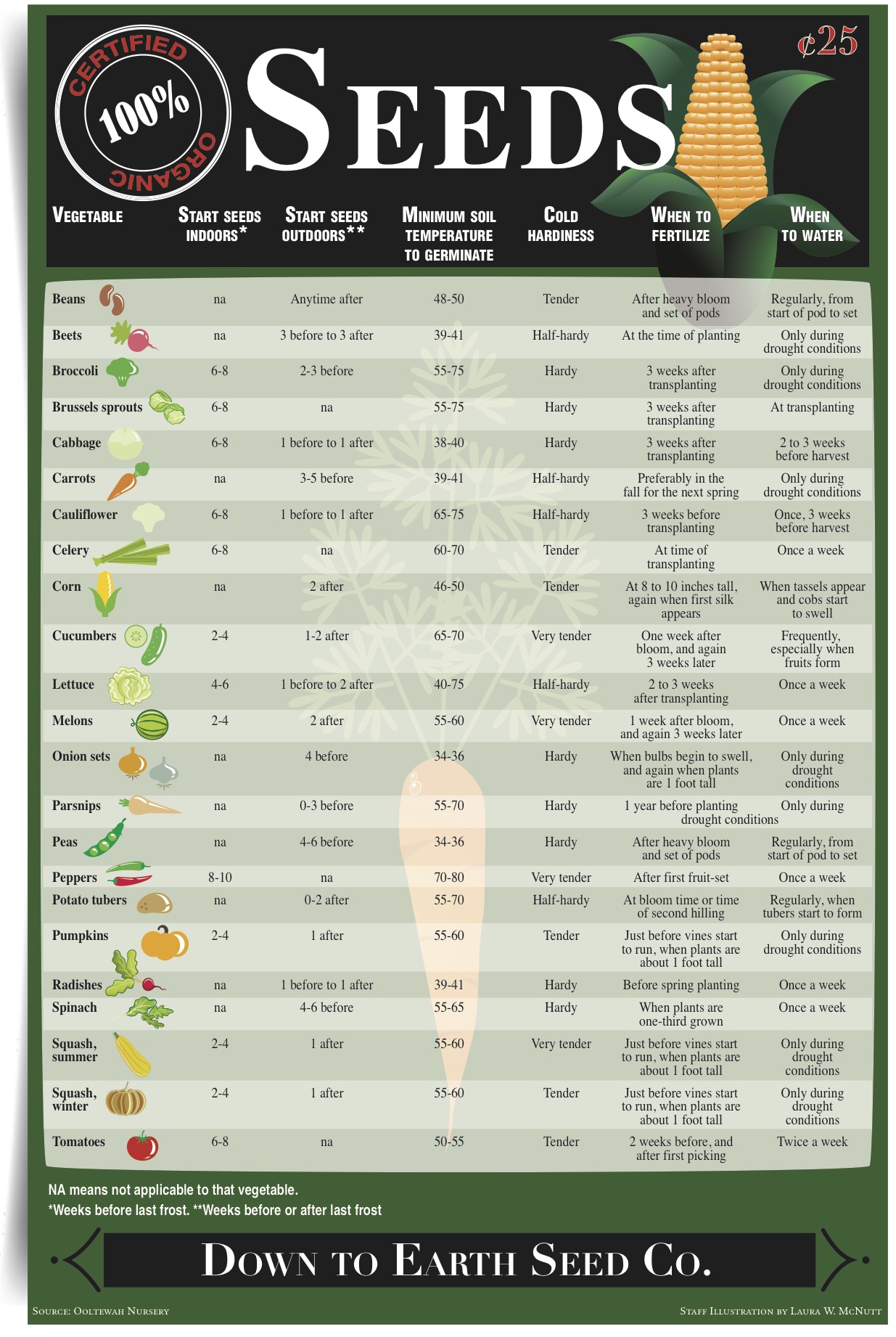
“I love to garden, love to learn about it. I learned something new here today about when to fertilize tomatoes,” he says.
Hall was one of three dozen folks who came to Ooltewah Nursery and Landscape on a recent Saturday morning to hear Jim Yates’ free advice on how to grow vegetables. The group included gardening veterans like Hall, as well as novices anticipating their first harvest.
“This will be our first garden,” says Brandy Shadwick, mom of children ages 3 and 6. “I’m teaching my kids to grow plants from seeds, then we’ll plant a raised-bed garden. I want them to see where their food comes from.”