
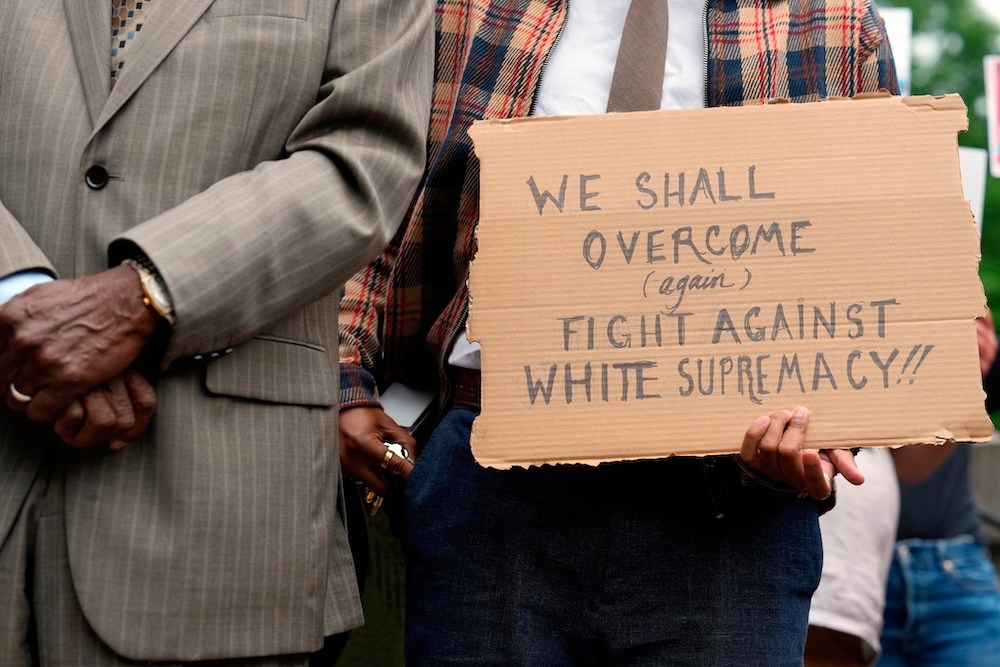
NASHVILLE, Tenn. (AP) — Republicans in several Southern states pressed ahead with an aggressive election-year redistricting effort Wednesday, undeterred by demonstrations and objections to their plans to reshape majority-Black congressional districts that have suddenly become vulnerable because of a U.S. Supreme Court ruling.
In Tennessee, protesters repeatedly interrupted legislative hearings on the redistricting plans, yet Republicans advanced them for a potential final vote Thursday.
Despite passionate pleas from Black Democratic lawmakers, Republicans in the Alabama House approved a measure to upend the state’s congressional primaries if courts allow them to switch their U.S. House districts. In South Carolina, Democrats chided Republican colleagues for abiding by President Donald Trump’s desires as they took an initial step toward redrawing a district long held by a Black Democratic lawmaker.
The stakes are high for minority voters who stand to lose their preferred representatives and for any Republican lawmakers reluctant to follow Trump’s wishes. In Republican primary elections Tuesday, Trump-endorsed challengers defeated at least five of the seven Indiana state lawmakers targeted by the president’s allies for refusing to support a congressional redistricting effort last year.
The Supreme Court ruled last week that Louisiana relied too heavily on race when creating a second Black-majority House district as it attempted to comply with the Voting Rights Act. The ruling significantly altered a decades-old understanding of the law, giving Republicans in Louisiana and elsewhere grounds to try to eliminate majority-Black districts that have elected Democrats.