
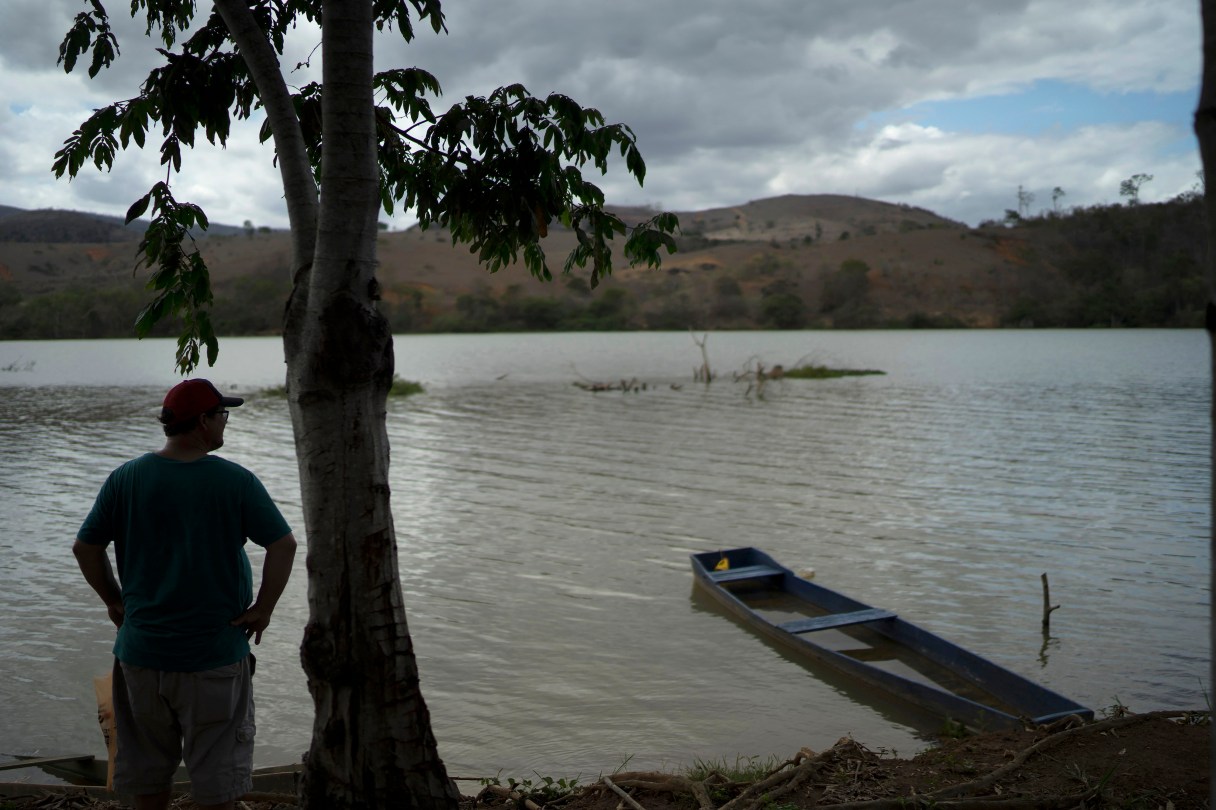
COLATINA, Brazil (AP) – One year after a dam ruptured and sent a giant wave of metal-laden mud gushing into one of Brazil’s most important rivers, people who live along the banks won’t drink the water and fishermen are afraid to eat their catch.
Upward of 10 billion gallons of mud filled with mining waste buried towns in the Nov. 5 dam break that has been described as the worst environmental disaster in Latin America’s largest country. Nineteen people perished.
Across 5,000 acres – about six times the size of New York City’s Central Park – the onslaught of mud crushed thousands of trees and wildlife. In the river, more than 14 tons of fish died, mostly after mud got stuck in their gills. An equally large amount of aquatic plants died when turbid waters blocked out the sunlight needed to survive.
The environmental damage was so vast that even a year later, many people in the area won’t drink or cook with water from their faucets because, unlike the groundwater, it’s connected to a network of reservoirs the Doce River feeds into. On a recent day, construction worker Samuel Alves de Andrade was among several people lining up outside a hut for well water sourced by an aquifer in the city of Colatina, about 407 miles (655 kilometers) northeast of Rio de Janeiro.
“This water is a lot better than what comes from the river. We have to do what’s best for us,” he said as he filled plastic jugs for family members.