
Thursday, November 12, 2026Nov 12

Montana must rewrite transgender bathroom ballot description

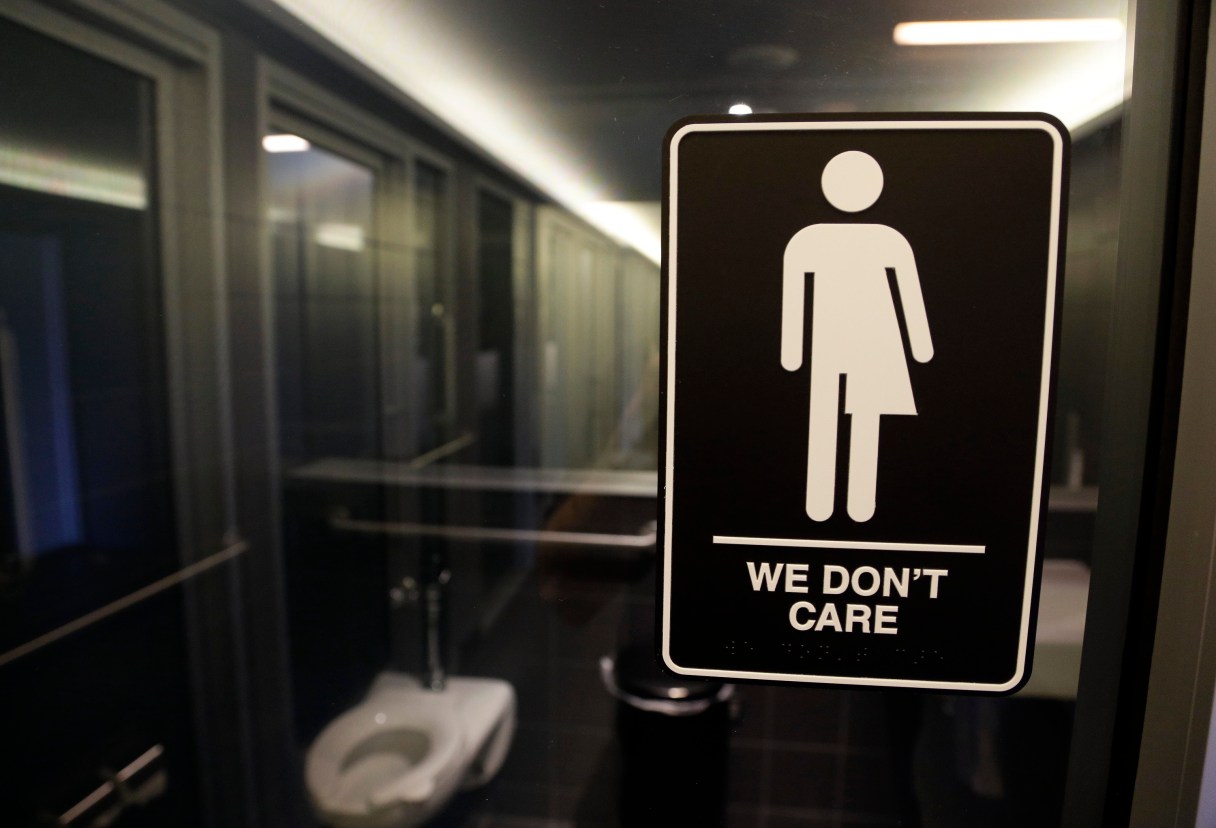
FILE - In this Thursday, May 12, 2016, file photo, signage is seen outside a restroom at the 21c Museum Hotel in Durham, N.C. The Montana Supreme Court has ordered the attorney general to rewrite ballot language for an initiative that would require people to use public restrooms designated for their gender at birth. The court ruled Tuesday, Sept 19, 2017, in a challenge from the American Civil Liberties Union of Montana, saying the language didn't include the initiative's specific definition of "sex" and was otherwise vague. (AP Photo/Gerry Broome, File)
FILE - In this Thursday, May 12, 2016, file photo, signage is seen outside a restroom at the 21c Museum Hotel in Durham, N.C. The Montana Supreme Court has ordered the attorney general to rewrite ballot language for an initiative that would require people to use public restrooms designated for their gender at birth. The court ruled Tuesday, Sept 19, 2017, in a challenge from the American Civil Liberties Union of Montana, saying the language didn't include the initiative's specific definition of "sex" and was otherwise vague. (AP Photo/Gerry Broome, File) FILE - In this Thursday, May 12, 2016, file photo, signage is seen outside a restroom at the 21c Museum Hotel in Durham, N.C. The Montana Supreme Court has ordered the attorney general to rewrite ballot language for an initiative that would require people to use public restrooms designated for their gender at birth. The court ruled Tuesday, Sept 19, 2017, in a challenge from the American Civil Liberties Union of Montana, saying the language didn't include the initiative's specific definition of "sex" and was otherwise vague. (AP Photo/Gerry Broome, File)

HELENA, Mont. (AP) – The Montana Supreme Court ordered the state attorney general to rewrite ballot language for an initiative that would require people to use public restrooms and locker rooms designated for their gender at birth.

The court ruled Tuesday in a challenge from the American Civil Liberties Union of Montana, saying the language did not include the initiative’s specific definition of “sex” and was otherwise vague.

The justices agreed with the ACLU that the ballot language does not specify that the law would apply to local government buildings and public education facilities and does not include how much it would cost them to comply.

It also isn’t clear in the language that people could sue the state for emotional or mental distress if they encounter a transgender person in a public bathroom and the facility had not taken reasonable steps to prevent it, the court said.

Caitlin Borgmann, executive director of the Montana ACLU, said the initiative, if passed, would “banish transgender Montanans from full and equal participation in public life.”