
JERUSALEM (AP) – As the nuclear deal with Tehran goes into effect, many Middle Eastern countries fear a newly emboldened Iran, flush with cash and international recognition, will grow more aggressive with what they see as meddling in conflicts across the region.
The deal, clinched last summer after intense negotiations, forced Iran to dismantle most of its nuclear program, a step that proponents say will prevent it from gaining the capability to make a bomb for well over a decade. The International Atomic Energy Agency on Saturday certified that Iran had met its obligations, paving the way for Western sanctions to be lifted and giving Iran access to $100 billion in frozen assets.
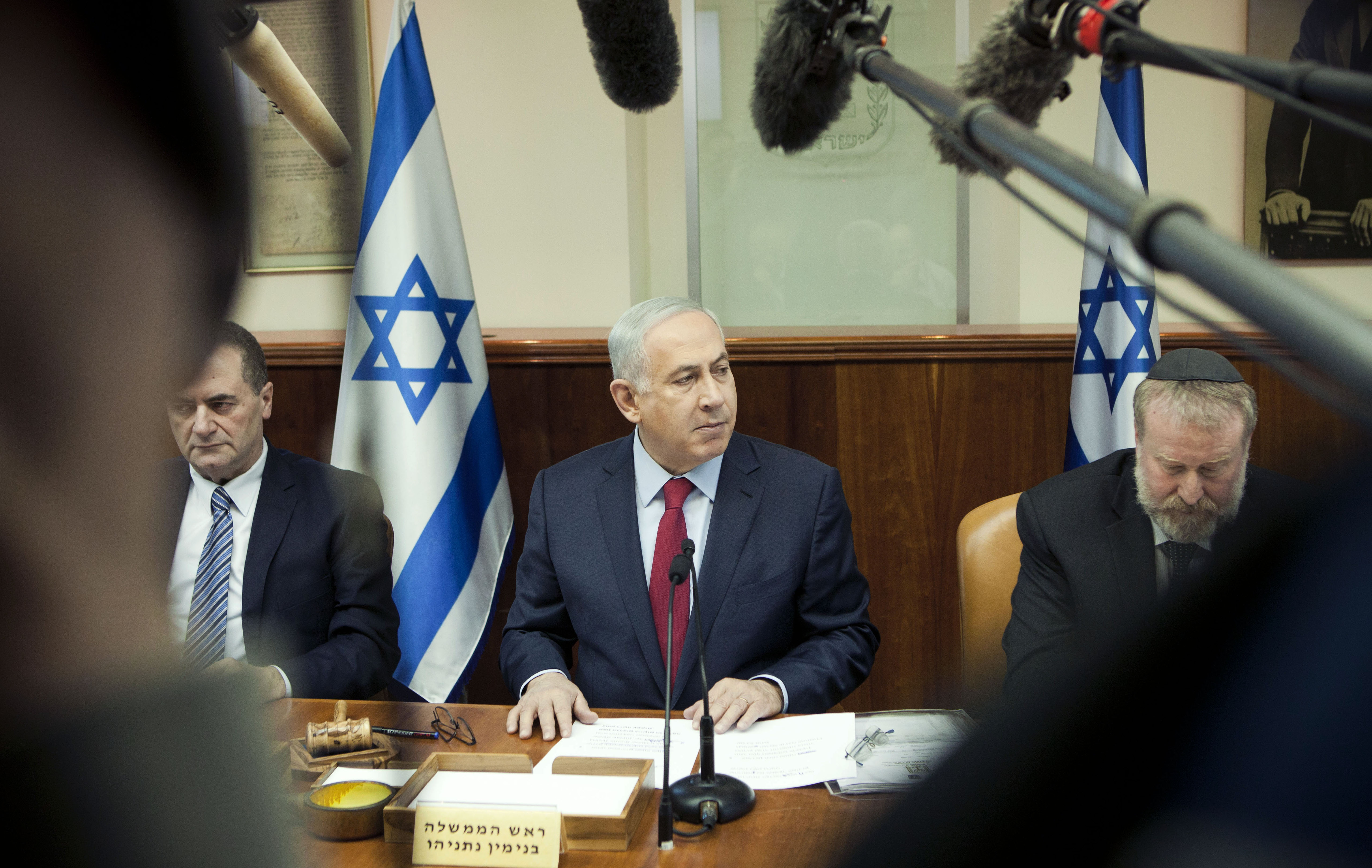
While the United States, which led the negotiations, has tried to promote the deal as the beginning of a new chapter in relations with the Islamic Republic, the agreement has been greeted with suspicion and trepidation across much of the Middle East. For Israel and Sunni states such as Saudi Arabia, Shiite Iran is seen as a destabilizing force. They fear Tehran will now redouble what they see as efforts to dominate the region by supporting anti-Israel militant groups, Syrian President Bashar Assad and Shiite Houthi rebels battling a Saudi-led coalition in Yemen.
On the other hand, Iran’s hostility to the Islamic State group has since 2014 put it in effect on the same side as the U.S.-led coalition battling the group in Iraq, where Iranian-backed Shiite militias have proven to be effective ground forces against the Sunni extremists. Improved relations between Washington and Tehran could allow for greater coordination. Iraq’s Shiite-led government has welcomed the nuclear deal, suggesting it could help resolve the region’s many conflicts.
Here is a look at Sunday’s reactions to the deal in the region: