
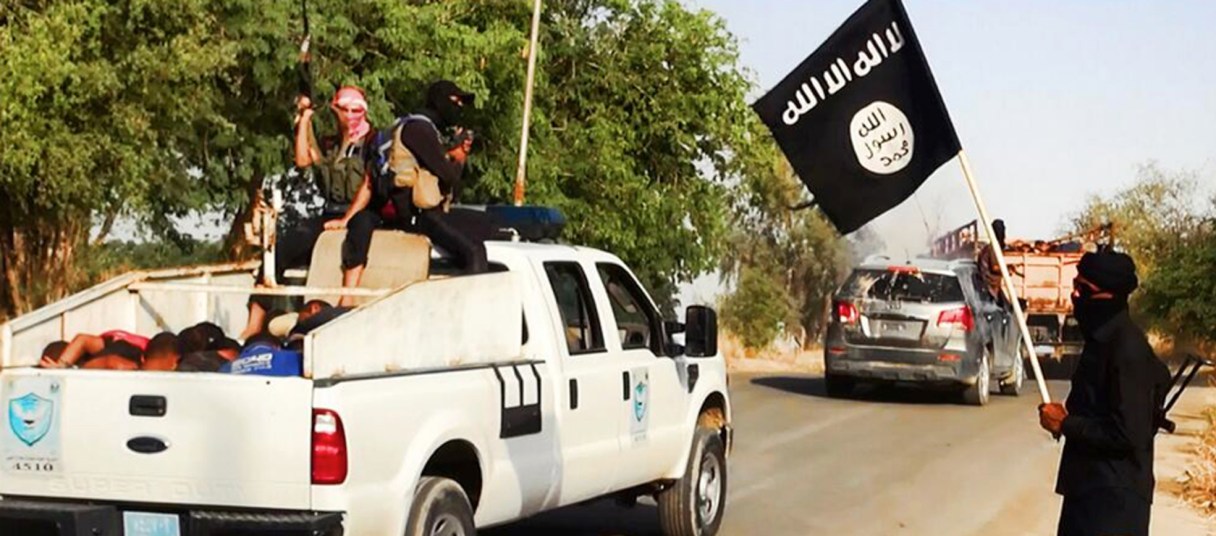
BAGHDAD (AP) – Iraq won the battle to retake the city of Tikrit from the Islamic State group, backed by a coalition of the unlikely in Iranian advisers, Shiite militias, and U.S.-led airstrikes, but the country now faces what could be its most important battle: Winning the support of the Sunni.
Sunni tribes played a key role during the U.S. occupation fighting back al-Qaida in Iraq, the Islamic State group’s predecessor, and their distrust of Baghdad’s Shiite-led government eased the extremists’ takeover last summer. But as Tikrit now sits in ruins, still patrolled by fractious Shiite militias, the powerful Sunni tribes remain as distrustful as ever as further offensives in their heartland loom.
The government “needs those local tribes to secure the territory and hold the fort until government function is restored in these areas,” said Sajad Jiyad, a senior researcher at al-Bayan Center for Studies and Planning in Baghdad. “The government needs to make sure that everyone who fights today has a future in Iraq tomorrow – and not just to find a short-term military solution today and forget about them later.”
Sunni grievances mounted during the eight-year rule of Iraqi Prime Minister Nouri al-Maliki, widely seen as pursuing sectarian policies. Al-Maliki responded to rising Sunni protests with a violent crackdown, further stirring dissent. By December 2013, security forces withdrew from Ramadi after dismantling a protest camp, allowing Islamic State militants ultimately to take it over.
When the Islamic State group swept across a third of Iraq last summer, many Sunnis initially greeted them as liberators. Analysts believe members of Saddam’s outlawed Baath Party, stacked largely with Sunnis, also aided the extremists.