
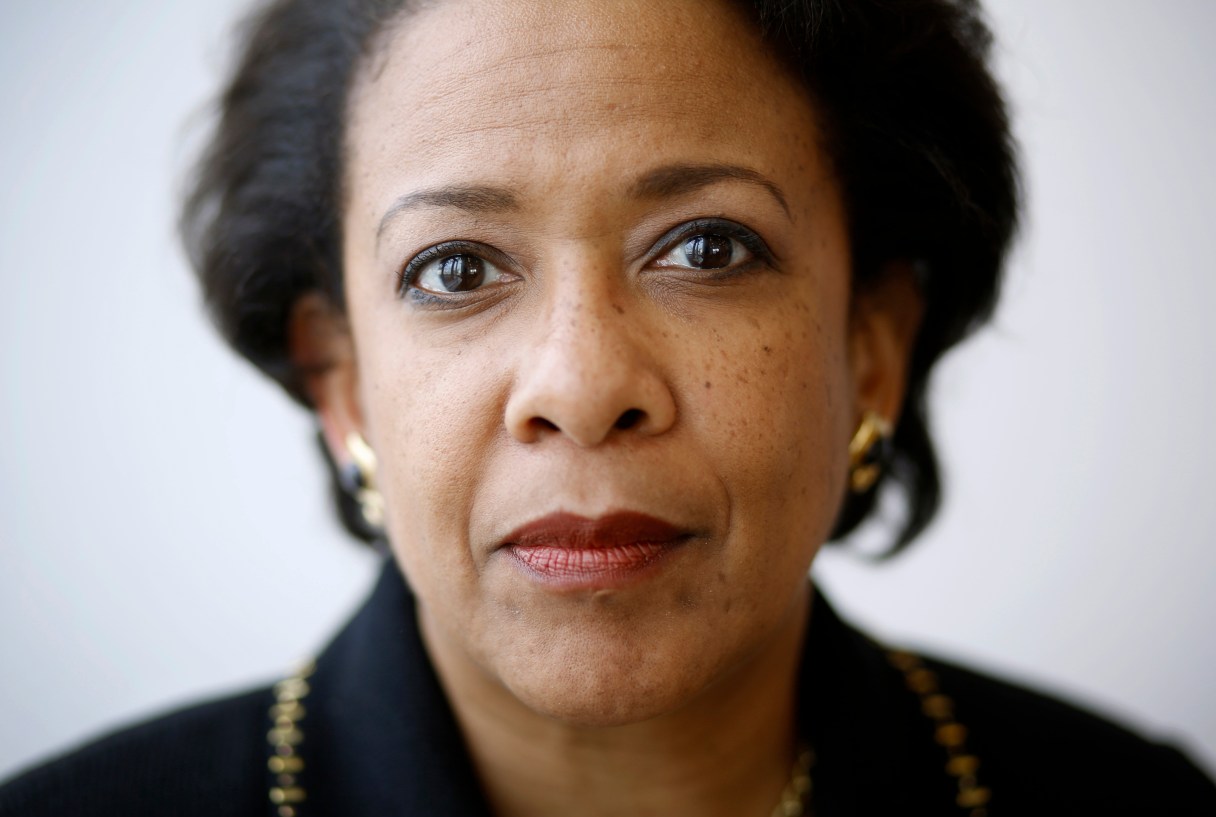
BALTIMORE (AP) – As a younger lawyer, Loretta Lynch prosecuted New York police officers who sodomized a Haitian immigrant in a precinct bathroom. As attorney general, she’s broadened her focus to go after entire police departments for unconstitutional practices.
In an interview as her tenure ends, Lynch strongly defended the Justice Department’s aggressive intervention in local law enforcement during the Obama administration, including the decision to repeatedly seek court-enforceable improvement plans with troubled police agencies. One such consent decree came Thursday in Baltimore, and the Justice Department a day later issued a scathing report on the Chicago Police Department.
“That is a role that the federal government absolutely has to play,” Lynch told The Associated Press. “Frankly, it is our role to defend the constitutional rights of the citizens of our cities in this great country.”
That approach seems likely to change in the next administration.
Sen. Jeff Sessions, an Alabama Republican and President-elect Donald Trump’s choice for attorney general, said at his confirmation hearing this past week that while consent decrees “are not necessarily a bad thing,” enforcement actions against entire police departments can lower an agency’s morale and unfairly malign all officers for the actions of some.