
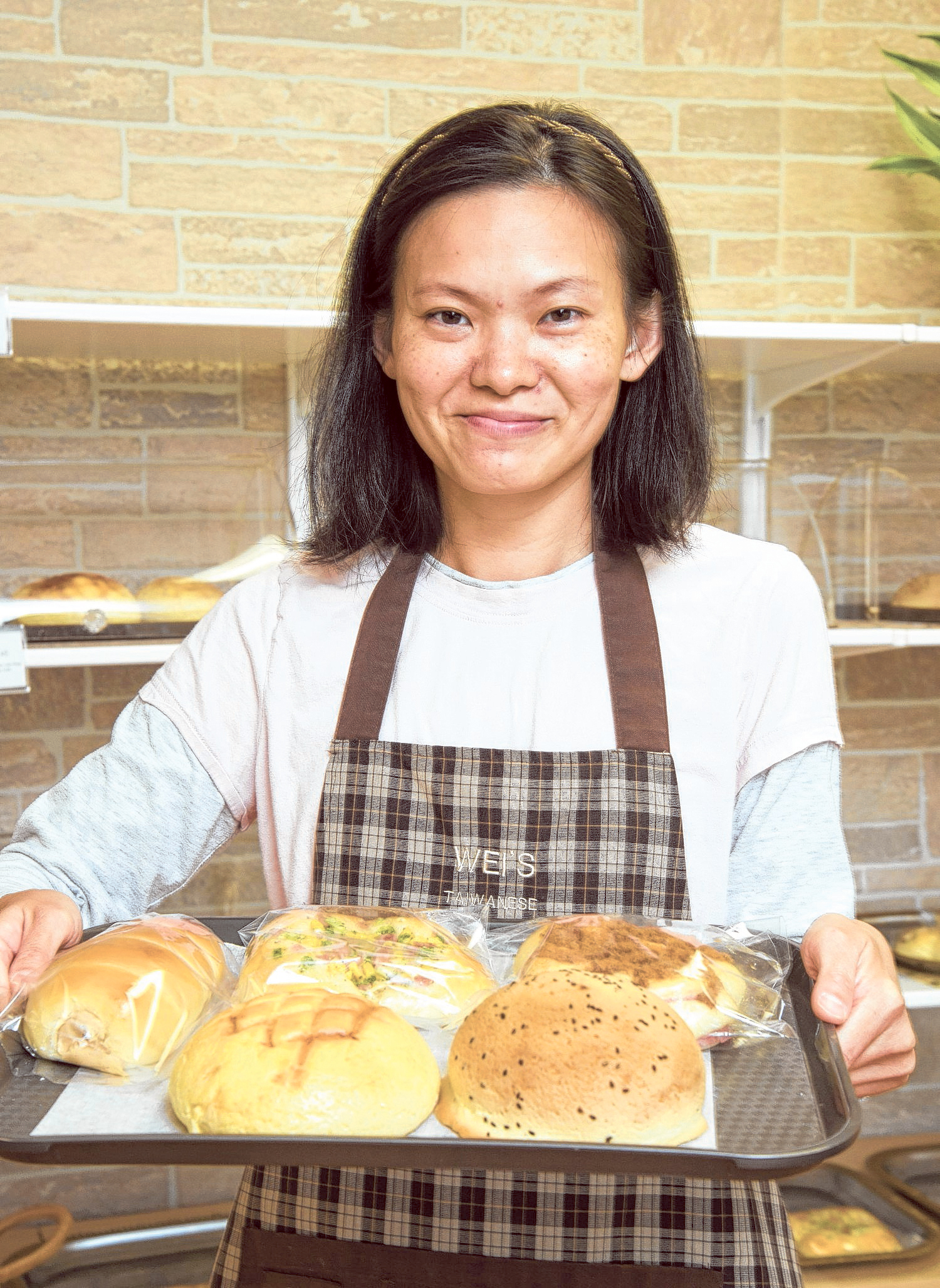
Before last month, Chinese New Year was little more to me than a small script holiday on my desk calendar. Like lots of people around here, I suppose, the holiday seems foreign to me. But then a friend brought me a box of pastries-handheld fluffy domes of cake filled with foreign ingredients- from Wei’s Taiwanese Bakery, a yearold endeavor of Amy and Wei Chan in Hixson. After one decadent pastry (okay, maybe a few) I knew I had to learn more about this international event.
Some preliminary research let me know that the Chinese New Year would fall on January 31 and that it requires you to clean your entire kitchen before the holiday. Since I spend most of my time in the kitchen, thinking about my kitchen and looking at the kitchen, I was immediately drawn to the Sisyphean task. Sure, I clean my kitchen to make it workable while I’m preparing a large meal, but the real cleaning doesn’t come until after the cooking’s done.
“But Chinese New Year, it’s about preparing your home for the new year; cleaning it and leaving all of the bad things behind,” says Amy Chan, co-proprietor of Wei’s Bakery. “You want everything to be clean so you can welcome the new year, with everything nice and new.”
Then she tells me that during the celebration, no one sweeps the kitchen, as to not sweep away all of the good fortune that has come to the home. I’m really starting to like these traditions.
Standing in her and her husband’s small shop on Hixson Pike, I’m wondering when I’m going to get a chance to deep clean my own kitchen and apartment in preparation of holiday visitors. Chinese New Year, to many Chinese and Chinese-American families, is full of traditional items like the legendary dragon Nian, fireworks, large feasts and red envelopes. The idea of the holiday is to usher in the new year and leave the past behind. Regular New Year’s Day is my favorite holiday, so I’m happy to learn of another chance to start off fresh.
As Amy tells me about her childhood memories of the holiday and how she tries to preserve the tradition for her 6-year-old daughter, I’m starting to see the holiday in accord with some of my own traditions. And, like most holidays, Chinese New Year uses symbolism and food to tie it all together. For instance, she remembers her mother-in-law taking days to prepare a large feast, all by herself. Taking the time to prepare each special dish with love is something I think everyone can relate to. “But now as we are older and she is older, we all pitch in and help,” Amy says.
Like each family has its own traditions for Christmas, Amy says her own family celebrates the Chinese New Year in different ways. First, it depends on if they will be in Taiwan, visiting her husband’s family, or still in Chattanooga. “You know it’s so different when you’re in Taiwan and in the environment. Here, it’s harder to do the traditions because of where you are,” she says. Typically the holiday is celebrated over the course of two weeks, depending on what your family observes, she says.
But even here in Chattanooga, food is very much a part of the holiday, especially at the big feast on New Year’s Eve. Amy’s family traditionally gathers around a big hot pot, literally, of simmering broth or soup on the table. Dumplings and other tasty items are dipped into the pot as families talk and laugh together. There’s no visiting outside of the home; instead, the family gathers to celebrate and stay up all night until the New Year.
“We always have the big feast for the family, because it’s about sharing the holiday with your family,” Amy says. “More than anything during this time, for us, it’s about sharing a meal and being together.”
During another large feast, Amy says it is traditional to serve a whole roasted chicken, head and feet included. Everyone attending the meal sits around one big table, as to not split up members of the family and divide luck, and so it is easier to talk to one another. “And the head of the chicken is turned to my father-in-law, the head of the house,” she adds. “The whole chicken stands for togetherness.”
Amy explains to me that the Chinese like to be playful with food, so dishes and items are served whose names are homophones for other Chinese words. For example, the word for a whole fish sounds like the Chinese word for “surplus.” So it’s traditional to serve fish, as to bring an increased chance of prosperity. Dumplings, served with hot pot or on their own, symbolize wealth and are even shaped like ancient Chinese coins. That’s neat to me, because I think of dumplings as little purses of delicious food. Amy’s favorite dish, turnip cake, represents good luck. She has trouble telling me what it’s made of, but Googles “white carrot” which turns up to be a Daikon radish. The cake is typically made with Daikon radish, Chinese bacon (a recent discovery of mine), rice flour, rice cooking wine, dried Chinese mushrooms and dried shrimp.
Sounds delicious. But what about the small amount of sugar? Not very cake-like to me.”It’s not sweet, but it is a cake. We dip it in soy and garlic,” she says. “It’s definitely a savory thing that we serve that is so good.”
Giving out tangerines and oranges also represents good luck, great profit and that everything is thriving, she tells me. And then there’s the Chinese mustard leaf, like my own tradition of serving collard greens, which symbolizes longevity and long life. I’m starting to think I need to have a miniature Chinese New Year dinner to double up on all the good fortune in 2014.
As I bite into her pineapple shortcake, wrapped neatly in a little pink package, I’m wondering what pineapple means. I didn’t even realize pineapples were a part of Chinese cuisine! “Do you like it? Is it good,” she asks with a smile on her face. “It’s for prosperity.”
So I’m not going to go all out and try to cook a traditional meal for Chinese New Year, but I do want to introduce some of the items and traditions into my kitchen. So after I collect some delicious Taro pastries, I head to the nearby Asian Market to see if I can get any help in finding some other items.
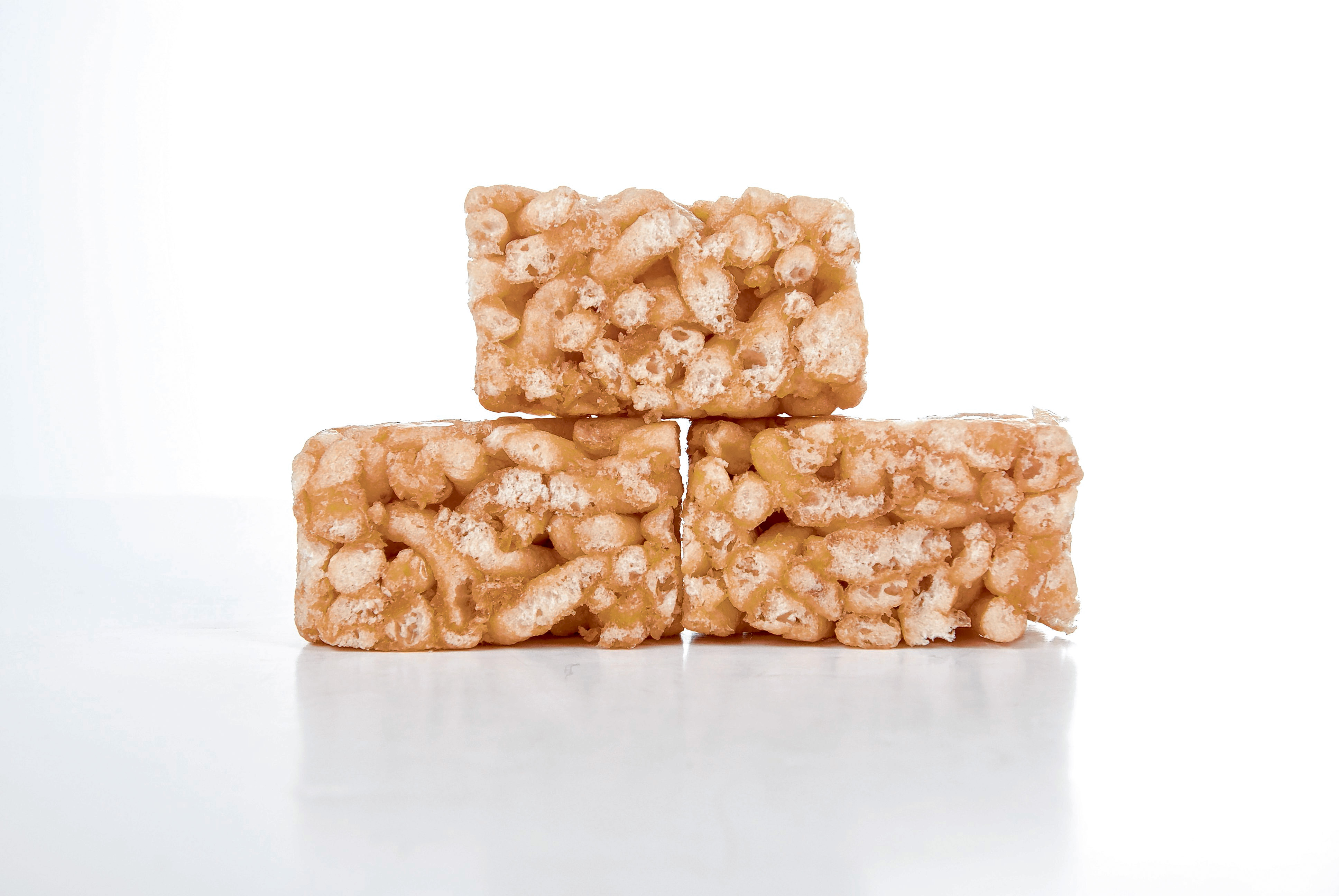
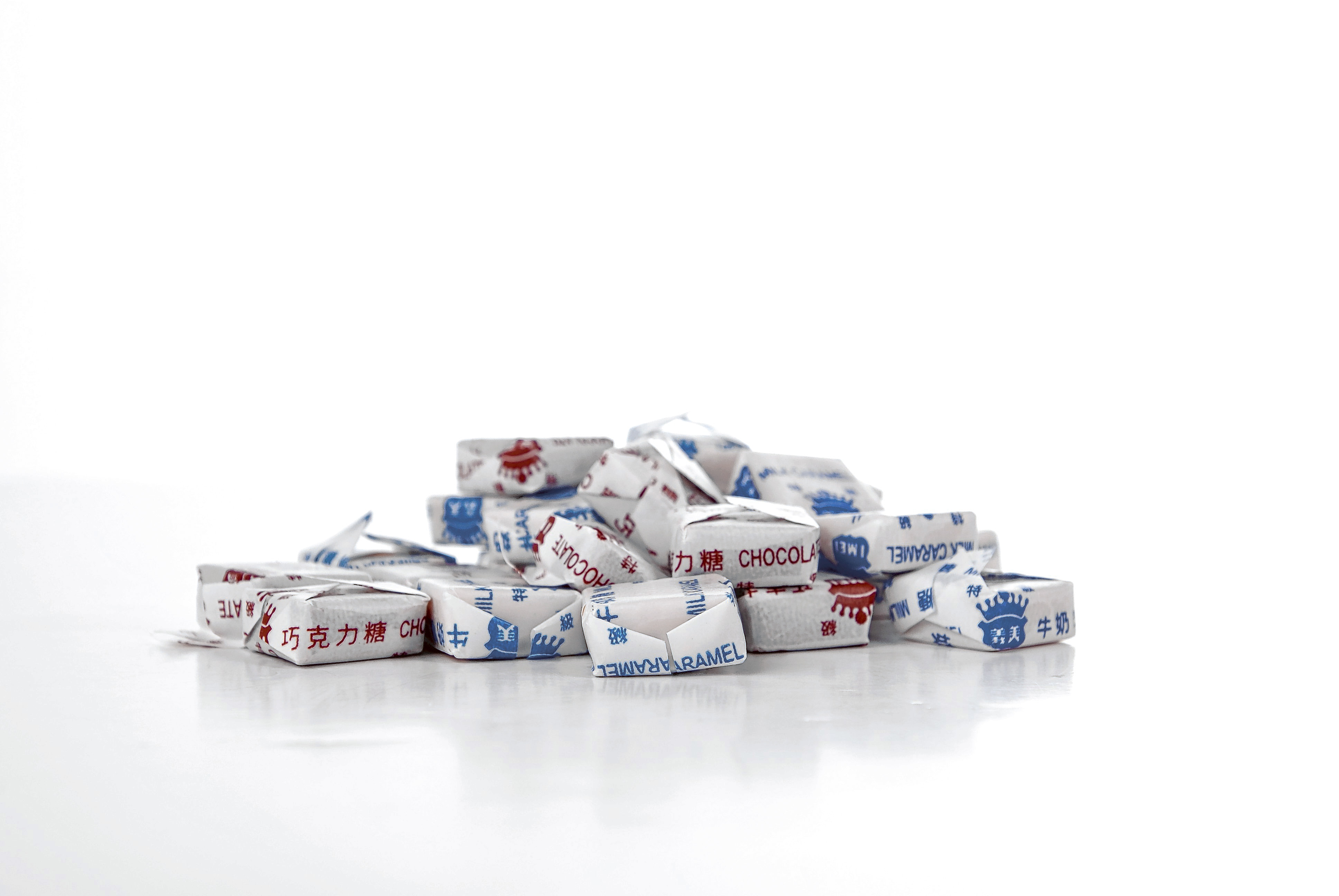
What stood out to me the most is Amy’s memories as a child. She tells me about the tradition of giving treats to people you come across during the holiday. The shop owner at the Asian Market tells me items people would normally give out, and he’s loading me up with chocolate candies, what looks like Chinese Rice Crispies and guava flavored candy.
“You always have to prepare. You have to have little red bags with candies or sweets, like pastries, ready, for whomever you meet, because you want to greet them with a blessing and a gift,” Amy says. “We have a sweet tooth during this time, because we only say nice, positive things during the New Year and when you eat sweet things you can’t help but be sweet. And you have to leave the bad behind.”
Okay, so in addition to cooking a giant feast for your family to enjoy, you pass out candy and sweets? With the idea that something sweet will help you say something sweet and bless other people?
I’m in. I’ll happily pass out candies and chew on almond nougat to help me be sweet and start my year off on the right foot.