
Thursday, November 12, 2026Nov 12

Federal funding in short supply for rural water projects

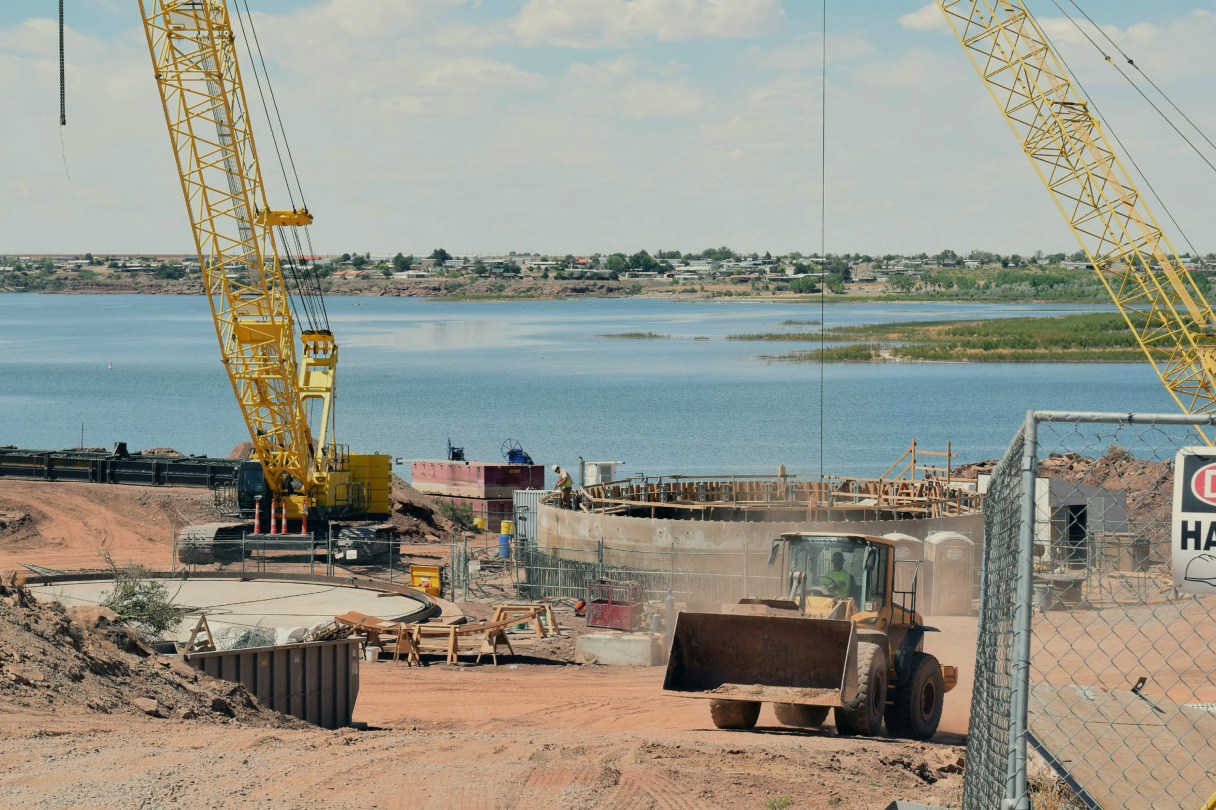
FILE - This May 6, 2014 photo courtesy of the Quay County Sun, shows construction crews working on a shaft that will house an intake structure on the south shore of Ute Lake near Logan, N.M. The shaft, is the first phase of the Eastern New Mexico Water Utility Authority’s $550 million Ute pipeline project. The pipeline project intended to bring billions of gallons of water each year to a drought-stricken section of eastern New Mexico represents a lifeline to parched communities.  The lifeline, however, may not actually reach the region for more than a decade before wells dry up, and officials say some areas don’t have that long before wells dry up.  The slow pace of construction underscores the challenges that many states are facing.  (AP Photo/Quay County Sun,Thomas Garcia)
FILE - This May 6, 2014 photo courtesy of the Quay County Sun, shows construction crews working on a shaft that will house an intake structure on the south shore of Ute Lake near Logan, N.M. The shaft, is the first phase of the Eastern New Mexico Water Utility Authority’s $550 million Ute pipeline project. The pipeline project intended to bring billions of gallons of water each year to a drought-stricken section of eastern New Mexico represents a lifeline to parched communities. The lifeline, however, may not actually reach the region for more than a decade before wells dry up, and officials say some areas don’t have that long before wells dry up. The slow pace of construction underscores the challenges that many states are facing. (AP Photo/Quay County Sun,Thomas Garcia) FILE - This May 6, 2014 photo courtesy of the Quay County Sun, shows construction crews working on a shaft that will house an intake structure on the south shore of Ute Lake near Logan, N.M. The shaft, is the first phase of the Eastern New Mexico Water Utility Authority’s $550 million Ute pipeline project. The pipeline project intended to bring billions of gallons of water each year to a drought-stricken section of eastern New Mexico represents a lifeline to parched communities. The lifeline, however, may not actually reach the region for more than a decade before wells dry up, and officials say some areas don’t have that long before wells dry up. The slow pace of construction underscores the challenges that many states are facing. (AP Photo/Quay County Sun,Thomas Garcia)

ALBUQUERQUE, N.M. (AP) – A pipeline project intended to bring billions of gallons of water a year to a drought-stricken section of eastern New Mexico represents a lifeline to parched communities that are quickly running out of water.

The lifeline, however, might not reach the region for more than a decade, even though officials say some areas don’t have that long before wells dry up.

The slow pace of construction in what would be the state’s most expensive infrastructure project to date underscores the challenges faced by a number of states eyeing such projects.

During the widespread drought, officials are struggling to finish large-scale water infrastructure projects while populations are growing, drinking water resources are dwindling, and federal dollars are diminishing.

The federal government is responsible for paying about $3 billion to complete several rural water projects around the country. The amount – expected to grow by the time the work is done – represents a fraction of the more than $600 billion needed to address the nation’s water and wastewater needs over the next 20 years.