
RENO, Nev. (AP) – Conservationists are suing the Bureau of Land Management to block the construction of fences in northern Nevada they say are intended to appease livestock ranchers at the risk of harming sage grouse and the drought-stricken federal rangeland.
The Western Watersheds Project filed the lawsuit in U.S. District Court in Reno last week on the heels of a broader one it filed last month challenging the Obama administration’s overall protection plan for the greater sage grouse across 10 western states.
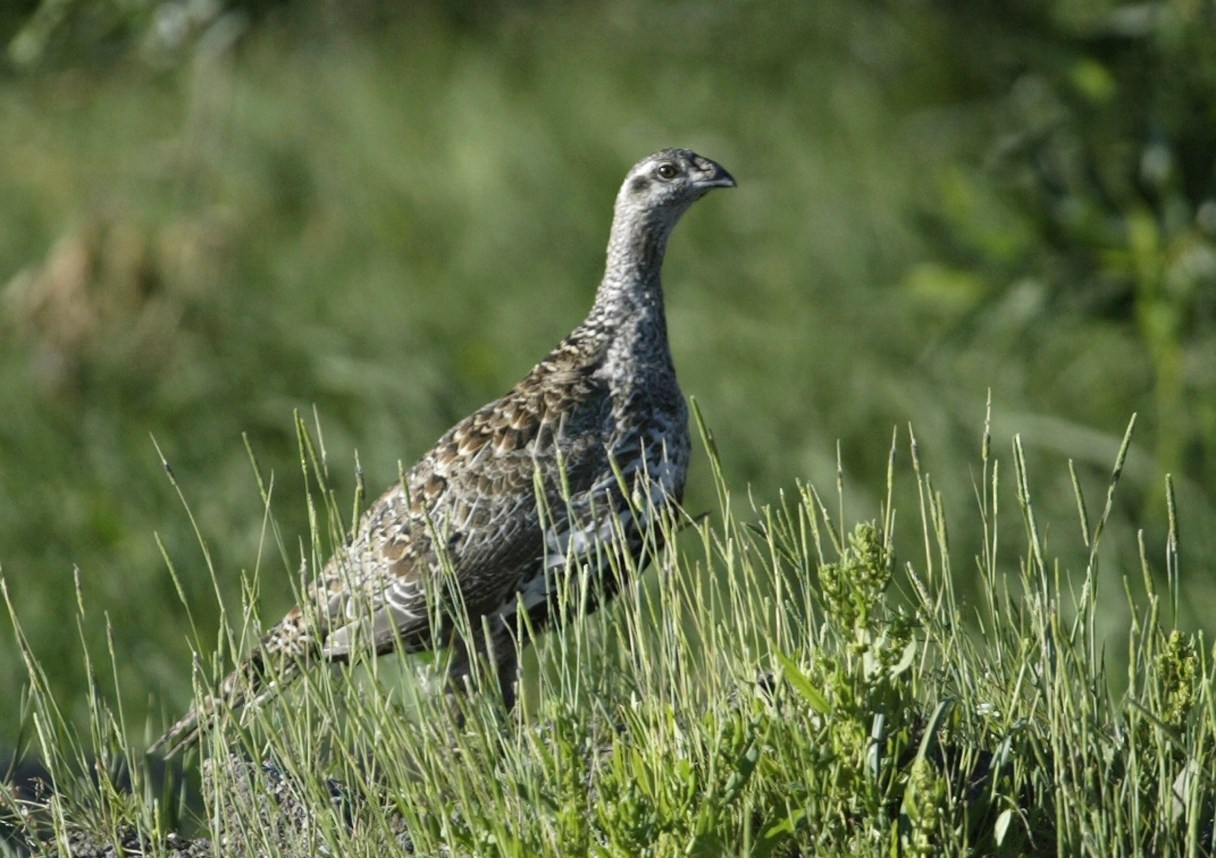
Leaders of the Idaho-based group say the 3 miles of new fence planned near key grouse habitat flies in the face of BLM’s own research showing the low-flying, hen-sized birds often die when they strike fences. Fence posts also provide perches for ravens that prey on grouse nests.
The suit says BLM rejected a similar proposal to build fences along the grazing allotment near Battle Mountain 200 miles northeast of Reno in 2014.
Pitched as an alternative to orders to remove cattle from the range, the ranchers said the fencing would keep the animals out of streams and key riparian areas. But BLM said at the time it was too costly and counterproductive to range health because fences promote growth of invasive weeds.