
CHICAGO (AP) – With virtually no hard proof that medical marijuana benefits sick children, and evidence that it may harm developing brains, the drug should only be used for severely ill kids who have no other treatment option, the nation’s most influential pediatricians group says in a new policy.
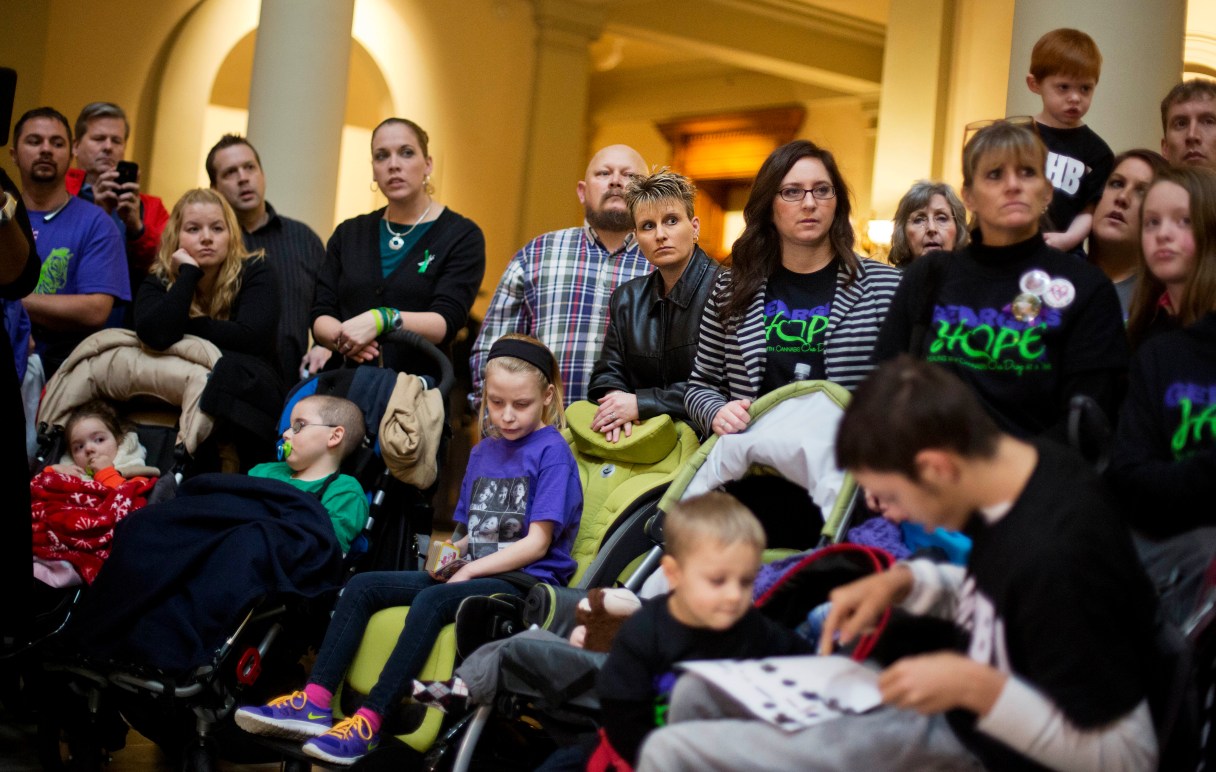
Some parents insist that medical marijuana has cured their kids’ troublesome seizures or led to other improvements, but the American Academy of Pediatrics’ new policy says rigorous research is needed to verify those claims.
To make it easier to study and develop marijuana-based treatments, the group recommends removing marijuana from the government’s most restrictive drug category, which includes heroin, LSD and other narcotics with no accepted medical use, and switching it to the category which includes methadone and oxycodone.
The recommended switch “could help make a big difference in promoting more research,” said Dr. Seth Ammerman, the policy’s lead author and a professor of pediatrics and adolescent medicine at Stanford University.
The academy’s qualified support may lead more pediatricians to prescribe medical marijuana, but the group says pediatric use should only be considered “for children with life-limiting or severely debilitating conditions and for whom current therapies are inadequate.”