
Friday, November 13, 2026Nov 13

Billions projected to suffer nearly unlivable heat in 2070

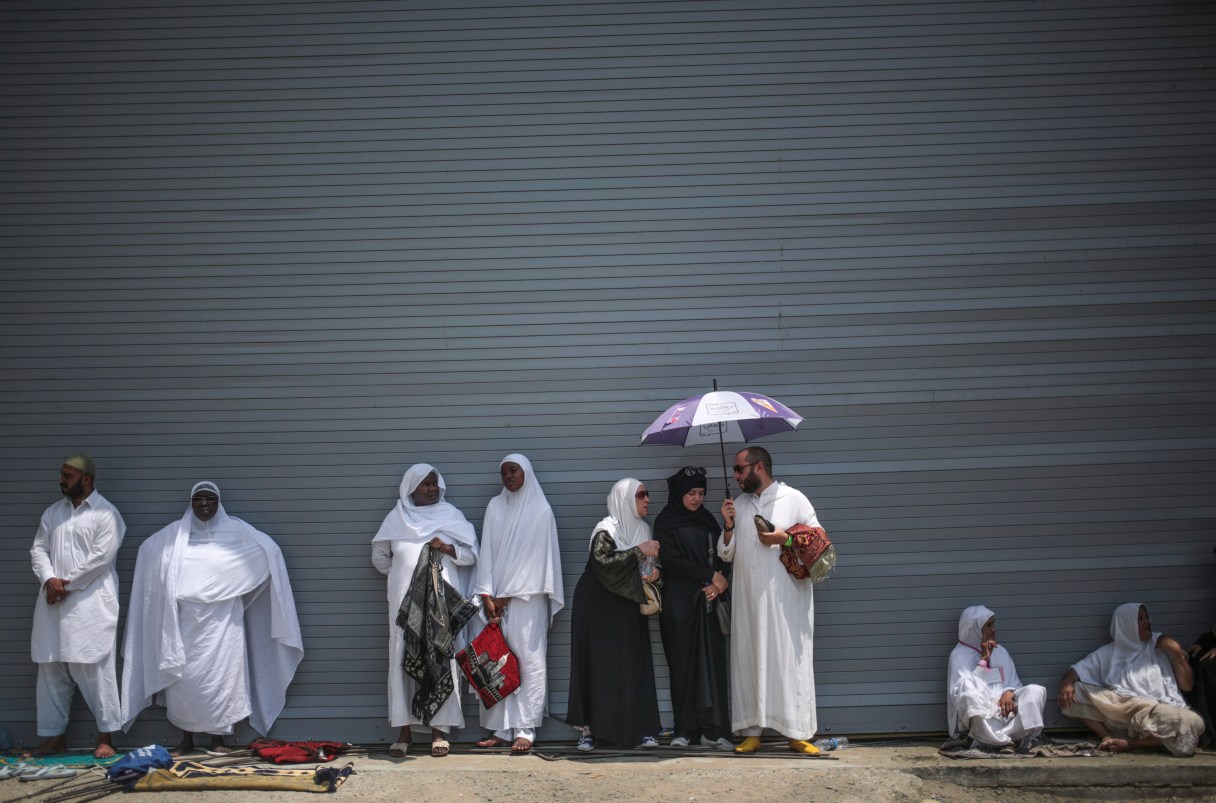
FILE - In this Sept. 18, 2015 file photo, Muslim pilgrims shelter themselves from the heat as they attend Friday afternoon prayers outside the Grand Mosque in the holy city of Mecca, Saudi Arabia. A new study released Monday, May 4, 2020, says 2 to 3.5 billion people in 50 years will be living in a climate that historically has proven just too hot to handle. Currently about 20 million people live in places with an annual average temperature greater than 84 degrees (29 degrees Celsius) — far beyond the temperature sweet spot. That area is less than 1% of the Earth's land, and it is mostly near the Sahara Desert and includes Mecca, Saudi Arabia. (AP Photo/Mosa'ab Elshamy, File)
FILE - In this Sept. 18, 2015 file photo, Muslim pilgrims shelter themselves from the heat as they attend Friday afternoon prayers outside the Grand Mosque in the holy city of Mecca, Saudi Arabia. A new study released Monday, May 4, 2020, says 2 to 3.5 billion people in 50 years will be living in a climate that historically has proven just too hot to handle. Currently about 20 million people live in places with an annual average temperature greater than 84 degrees (29 degrees Celsius) — far beyond the temperature sweet spot. That area is less than 1% of the Earth's land, and it is mostly near the Sahara Desert and includes Mecca, Saudi Arabia. (AP Photo/Mosa'ab Elshamy, File) FILE - In this Sept. 18, 2015 file photo, Muslim pilgrims shelter themselves from the heat as they attend Friday afternoon prayers outside the Grand Mosque in the holy city of Mecca, Saudi Arabia. A new study released Monday, May 4, 2020, says 2 to 3.5 billion people in 50 years will be living in a climate that historically has proven just too hot to handle. Currently about 20 million people live in places with an annual average temperature greater than 84 degrees (29 degrees Celsius) — far beyond the temperature sweet spot. That area is less than 1% of the Earth's land, and it is mostly near the Sahara Desert and includes Mecca, Saudi Arabia. (AP Photo/Mosa'ab Elshamy, File)

KENSINGTON, Maryland (AP) – In just 50 years, 2 billion to 3.5 billion people, mostly the poor who can’t afford air conditioning, will be living in a climate that historically has been too hot to handle, a new study said.

With every 1.8 degree (1 degree Celsius) increase in global average annual temperature from man-made climate change, about a billion or so people will end up in areas too warm day-in, day-out to be habitable without cooling technology, according to ecologist Marten Scheffer of Wageningen University in the Netherlands, co-author of the study.

How many people will end up at risk depends on how much heat-trapping carbon dioxide emissions are reduced and how fast the world population grows.

Under the worst-case scenarios for population growth and for carbon pollution – which many climate scientists say is looking less likely these days – the study in Monday’s journal Proceedings of the National Academy of Sciences predicts about 3.5 billion people will live in extremely hot areas. That’s a third of the projected 2070 population.

But even scenarios considered more likely and less severe project that in 50 years a couple of billion people will be living in places too hot without air conditioning, the study said.