
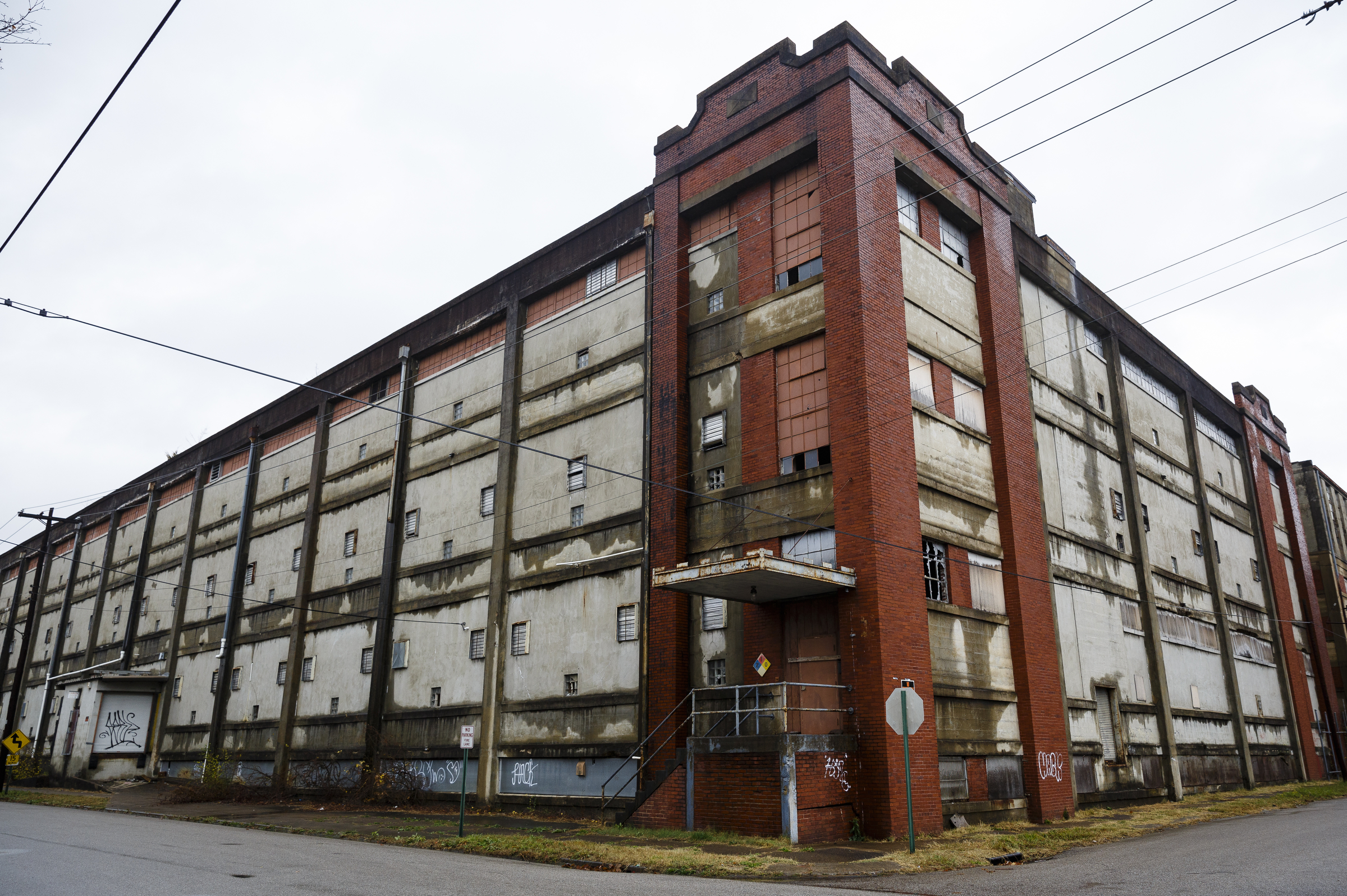




It's as sophisticated as real estate projects get. The good news is that we're getting at the end of the line.
 Contributed renderings / Standard Coosa Lofts would hold 170 live/work units off South Watkins Street.
Hicks Armor says that seeing the former Standard- Coosa-Thatcher plant redone into apartments will turn emotional for onetime workers and their families who recall it as a powerhouse textile mill.
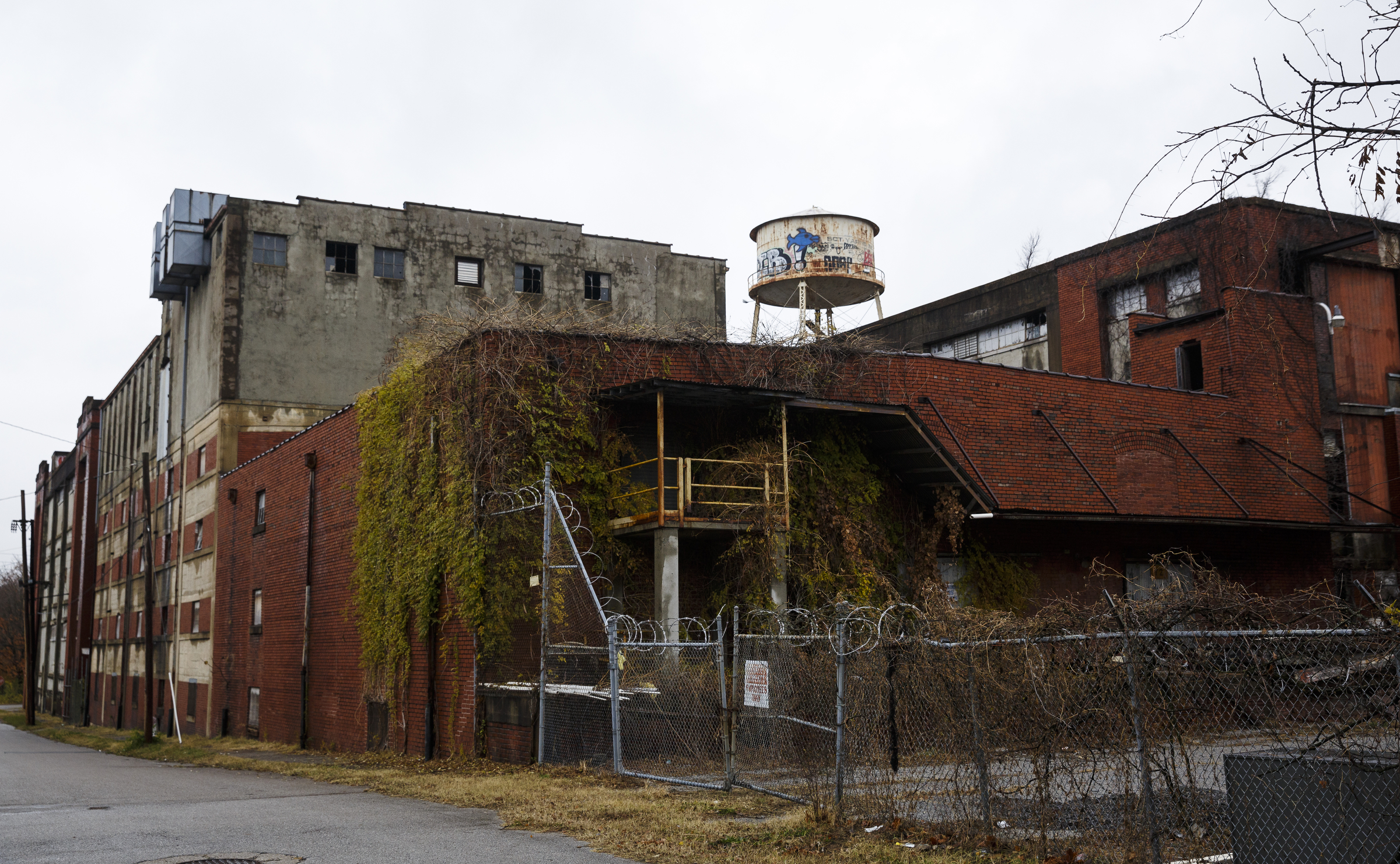
The $57.5 million effort to remake the site into 170 apartments – one of the biggest ever reuses of a former Chattanooga factory – recalls other industrial icons of the Dynamo of Dixie such as the Buster Brown plant or Wheland Foundry, he said.
“These are very emotional historic landmarks,” said Armor, chairman of the city’s Health, Educational, and Housing Facility Board, which on Wednesday endorsed tax breaks for the project.
Tim Boyle, president of St. Louis developer City Property Co., said plans are to start cleanup in March at the 1800 S. Watkins St. location just a couple of miles from downtown.
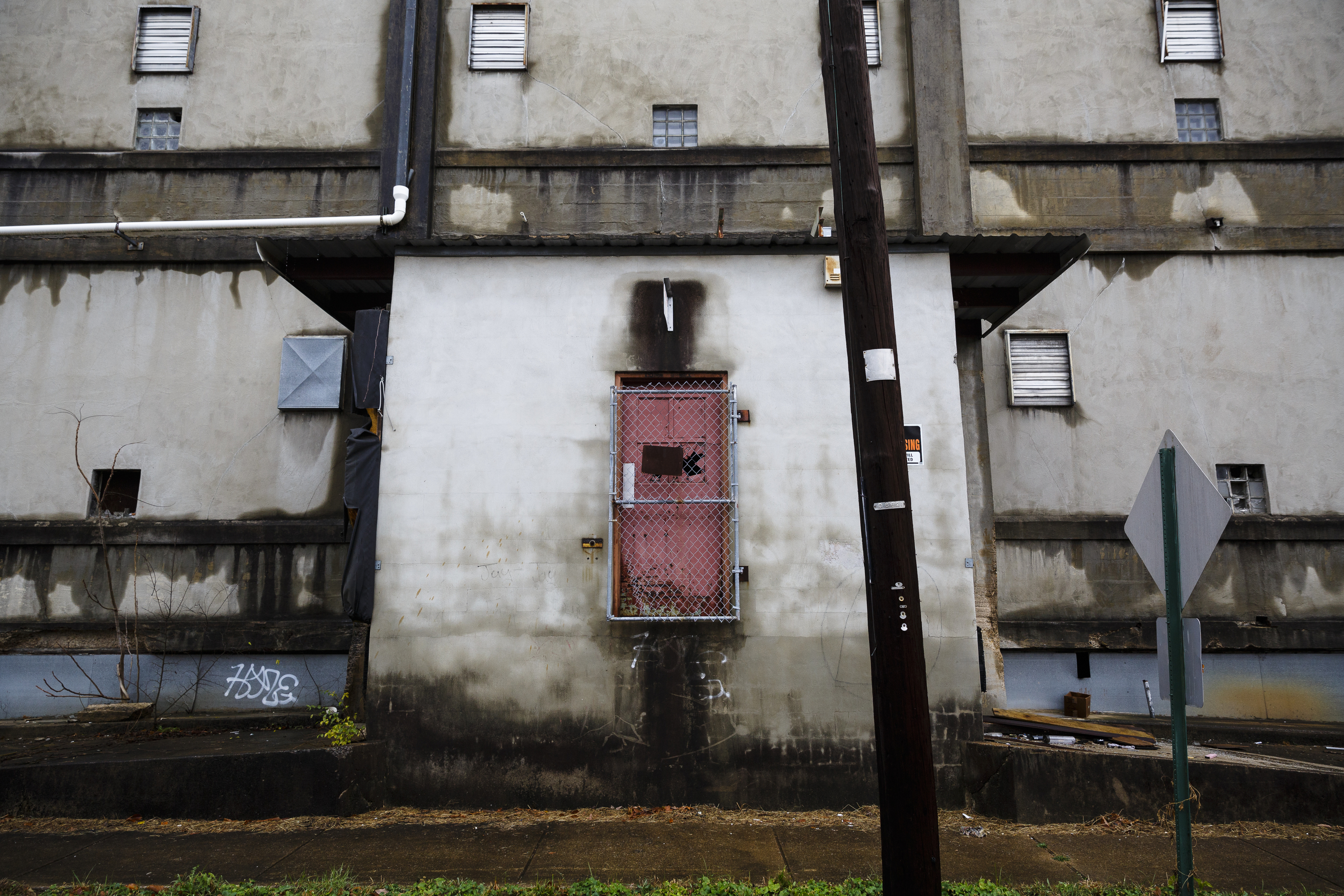
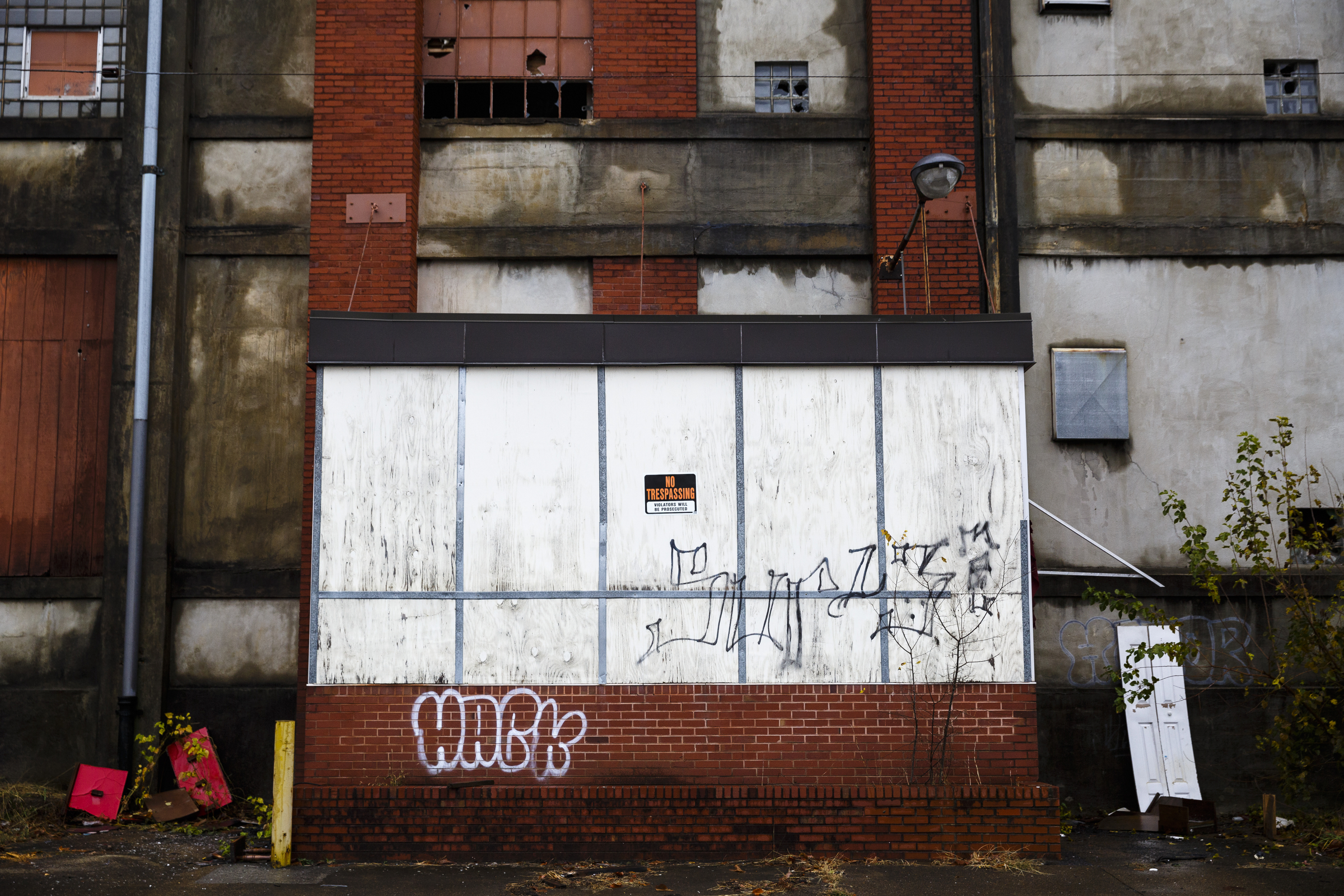
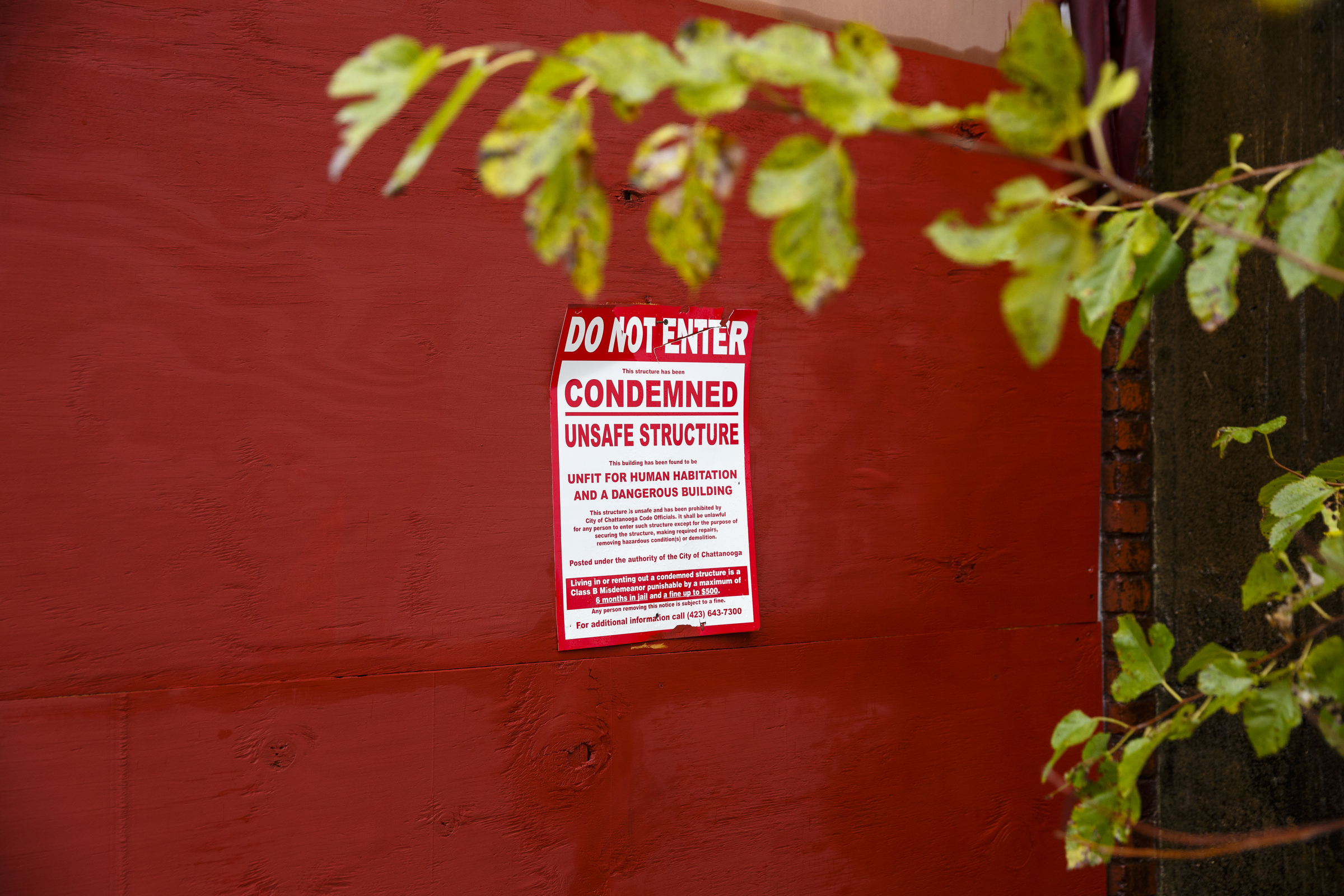
Given the run-down state of the buildings, vacant for decades with a recent fire damaging one structure, the work likely will take about 90 days, he said.
By late summer 2018, the 300,000-square-foot complex on 5.5 acres dubbed Standard Coosa Lofts should be ready for renters, Boyle said.
With rents deemed affordable compared to what new apartment complexes are charging downtown – just $615 a month for a one-bedroom unit – the project is marketed toward artists and other live/work space tenants, he said.
“It’s creating more financial benefit for residents,” the developer said.
Panel member Richard Johnson said it appeared that the living environment at the apartments will be “robust.”
“It absolutely will be robust,” Boyle said, adding that it won’t be a tranquil, suburban-type quality of life.
He said he expected the new apartments would radiate positive ripple effects in the downtrodden neighborhood around it.
“It will address the significant need for affordable housing in the Chattanooga market,” Boyle said. “The fact that it has an economic development, historic preservation, neighborhood stabilization and arts and culture component is icing on the cake.”
Boyle said the site is “in the thick” of employment centers downtown and not far from area hospitals. CARTA services the area with public transportation though not very well, he said.
“But there hasn’t been a need,” Boyle said. “Hopefully we’ll get them to ramp up.”
At one time, the plant that goes back some 100 years employed more than 3,000 people, he said.
He showed off an old photo of a spindling room in 1926 where workers took cotton and created a product so others could make shirts, underwear and socks.
“It dominated the entire area. When it went away, the area became neglected,” Boyle said.
The development company first unveiled the project several years ago, and he called it a difficult and complex one.
“It’s as sophisticated as real estate projects get,” he said. “The good news is that we’re getting at the end of the line.”
In addition to the approval Wednesday from the housing board, the Chattanooga City Council also approved an 18-year tax break for the project. The payment-in-lieu-of-tax agreement requires the developer to restrict tenant income to 60 percent of the area’s medium income for every unit during the period.
Helen Burns Sharp, founder of the citizen taxpayer group Accountability for Taxpayer Money and a frequent critic of such incentives, termed the project “the best of the best.” She said it passes the “but-for test,” of whether the project would proceed without the incentives.
Boyle said that in addition to the local tax breaks, the project is benefiting from $11.5 million in federal historic tax credits and $24.1 million in federal low-income housing tax credits.
Mike Mallen, an attorney for the developer, said the project still needs Hamilton County Commission approval.
Contact Mike Pare at mpare@timesfreepress.com or 423-757-6318.