
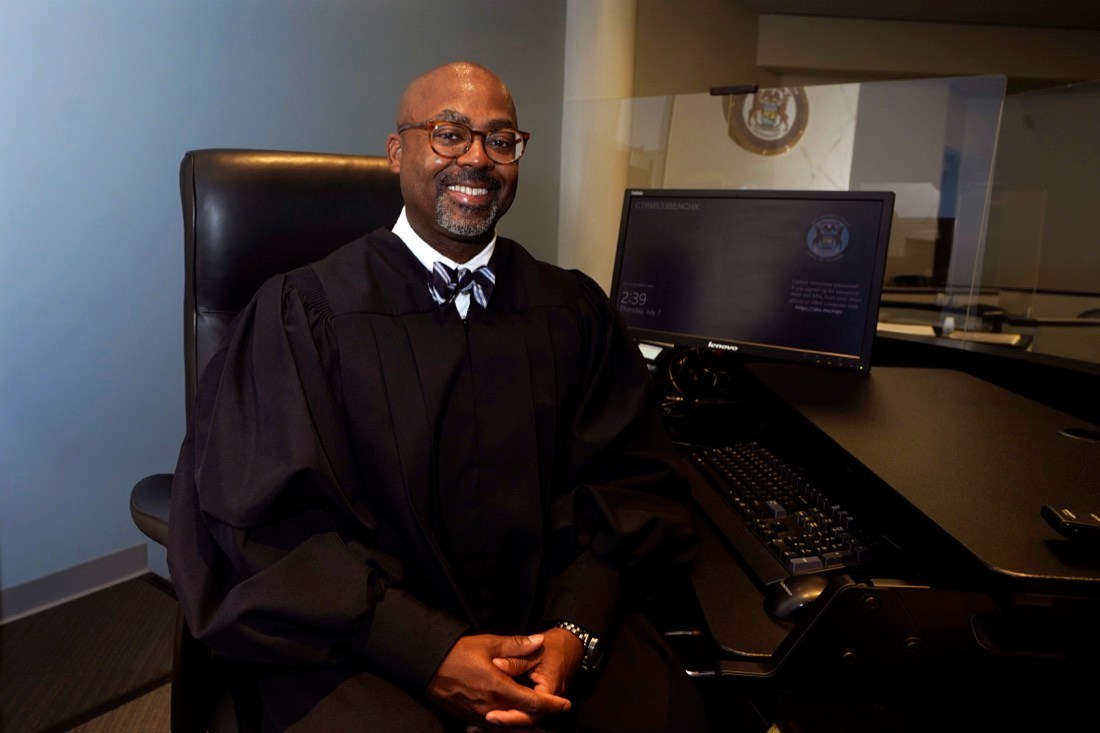
Michigan’s largest district court and bail reform advocates have agreed to settle a federal class-action lawsuit over cash bail practices, which activists say routinely and unconstitutionally jail poor and working class defendants despite evidence of their inability to pay.
Both sides say the reforms announced Tuesday strike at racial inequality in the criminal legal system. On any given day in Wayne County, which includes Detroit, the nation’s Blackest city, nearly three-quarters of those jailed are Black, a proportion much higher than their share of the population.
If the reforms narrow that disparity, it could be a model for court systems nationwide, where race and wealth are significant factors in the administration of justice, advocates say.
Detroit’s 36th District Court, the American Civil Liberties Union and The Bail Project, a nonprofit that pays bail for people in need, said in interviews ahead of Tuesday’s announcement that the status quo wreaks unnecessary havoc on defendants’ jobs, homes and families.
“This is a historic agreement that we believe can and should be a template for how courts around the country can adapt their bail practices to what is lawful, constitutional and sensible,” said Phil Mayor, senior staff attorney for the Michigan ACLU.