
The gas-powered automobile has been an engine of economic growth in Tennessee, accounting for nearly a half million jobs in the Volunteer State making vehicles for Volkswagen, Nissan and General Motors, supplying parts for a range of cars and trucks and driving and servicing such vehicles across an array of industries.
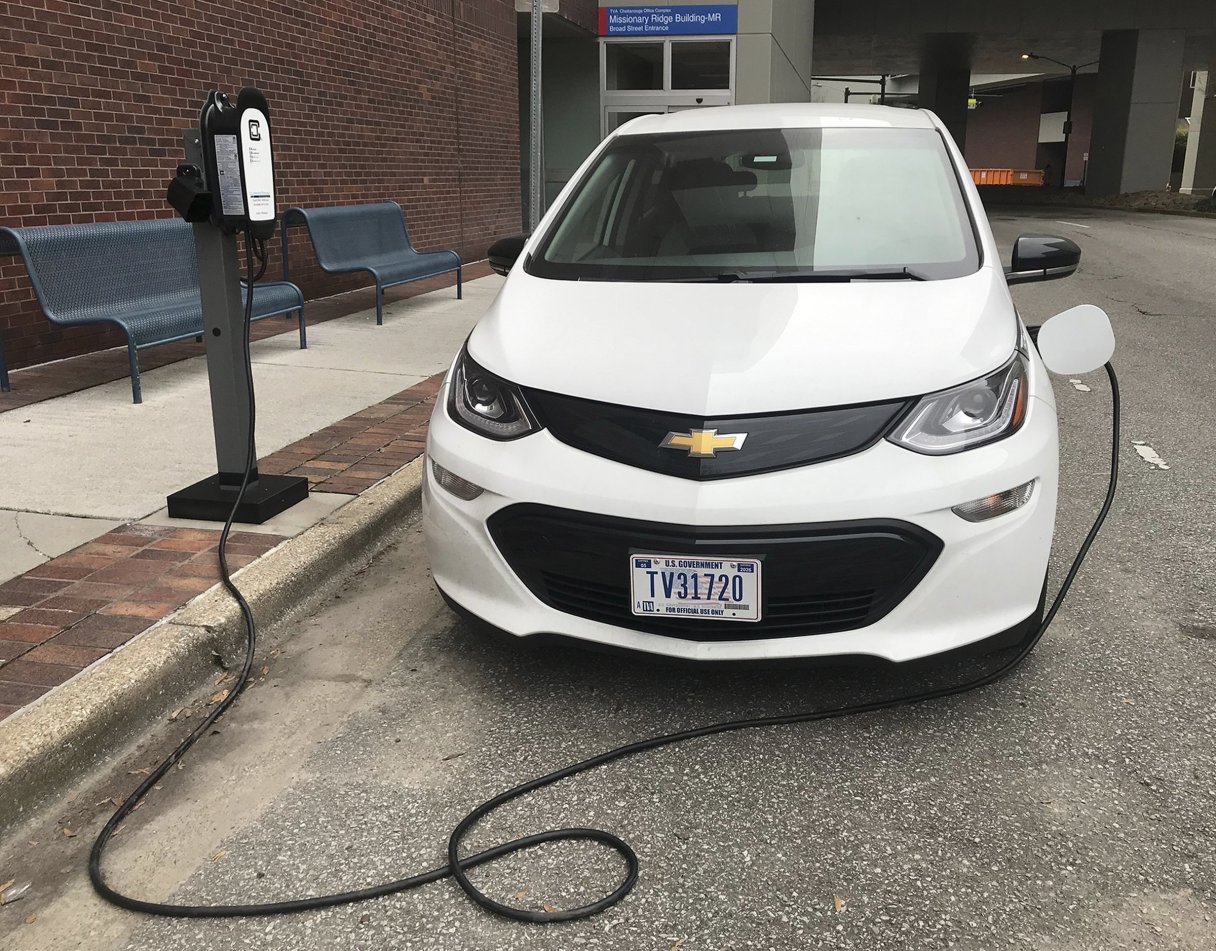
But a new study released Friday suggests that the rise of driver-less cars and the transition to electric vehicles will alter, or could even displace, nearly one in six jobs in Tennessee as transportation is reshaped by autonomous and battery-powered vehicles in the future.
Dr. William Fox, director of the Boyd Center for Economic Research at the University of Tennessee, said the changes in the types and ways vehicles are driven is creating both a challenge and an opportunity for Tennessee. Electric and autonomous vehicles will require new ways of financing roads and new and different skills for workers making and servicing cars and trucks, but as an early adopter of the new technology Tennessee could get ahead of some states in the transportation transformation.
“It is important to remember that new vehicle-related jobs will be created, as will other jobs in the economy,” Fox said Friday. “Tennessee must transform aggressively if it is to be an economic leader as these many changes occur, and a big challenge is helping existing workers transition to the new opportunities.”
BY THE NUMBERS
* $5,000 – Estimated savings per household from shared mobility with autonomous vehicles* 72,507 – Vehicle manufacturing jobs in Tennessee in 2017, most of them focused on gas engines* 119,000 – Number of Tennesseans who work at auto dealerships, gas stations, repair shops and tire stores built on individually owned cars, rather than shared mobility model* 291,000 – Number of Tennesseans employed in driving jobs for trucks, delivery and emergency services that could ultimately be displaced by autonomous vehicles.* $2.3 billion – Taxes collected annually from gas and diesel sales and vehicle registrations and taxes, which are used to fund the state’s transportation network of roads and highways. Electric and shared vehicles driven autonomously will undermine most of that funding model and require a new tax system for roads.Source: “Potential Impacts on Autonomous Vehicles on Tennessee’s Economy,” Boyd Center for Business and Economic Research at the University of Tennessee at Knoxville.