
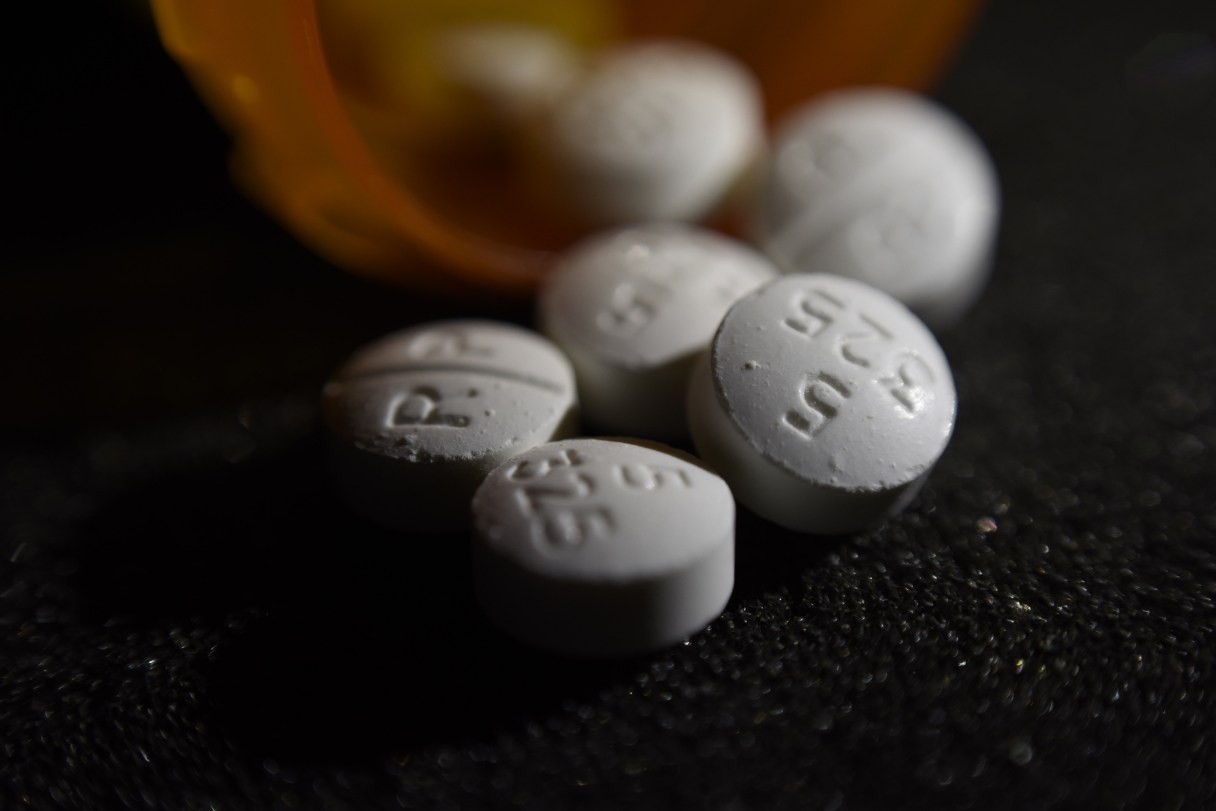
TRENTON, N.J. – The number of prescriptions for opioid painkillers filled in the U.S. fell dramatically last year, showing their biggest drop in 25 years and continuing a decline amid increasing legal restrictions and public awareness of the dangers of addiction, new data show.
Health data firm IQVIA’s Institute for Human Data Science released a report Thursday showing an 8.9 percent average drop nationwide in the number of prescriptions for opioids filled by retail and mail-order pharmacies.
All 50 states and the District of Columbia had declines of more than 5 percent. Declines topped 10 percent in 18 states, including all of New England and other states hit hard by the opioid overdose epidemic, such as West Virginia and Pennsylvania. Tennesseans filled 6,709,154 opioid prescriptions at retail pharmacies in 2017, a nearly 9 percent decrease from the previous year and a 21.3 percent drop from 2013.
“We’re at a really critical moment in the country when everybody’s paying attention to this issue,” said Michael Kleinrock, the institute’s research director.
There was an even greater drop in total dosage of opioid prescriptions filled in 2017, down 12 percent from 2016. Reasons for that include more prescriptions being issued for a shorter duration, a 7.8 percent decline in new patients starting on opioid prescriptions and far fewer high-dose prescriptions.