
Monday, November 16, 2026Nov 16

Afghan government says it won’t separately deal with Taliban

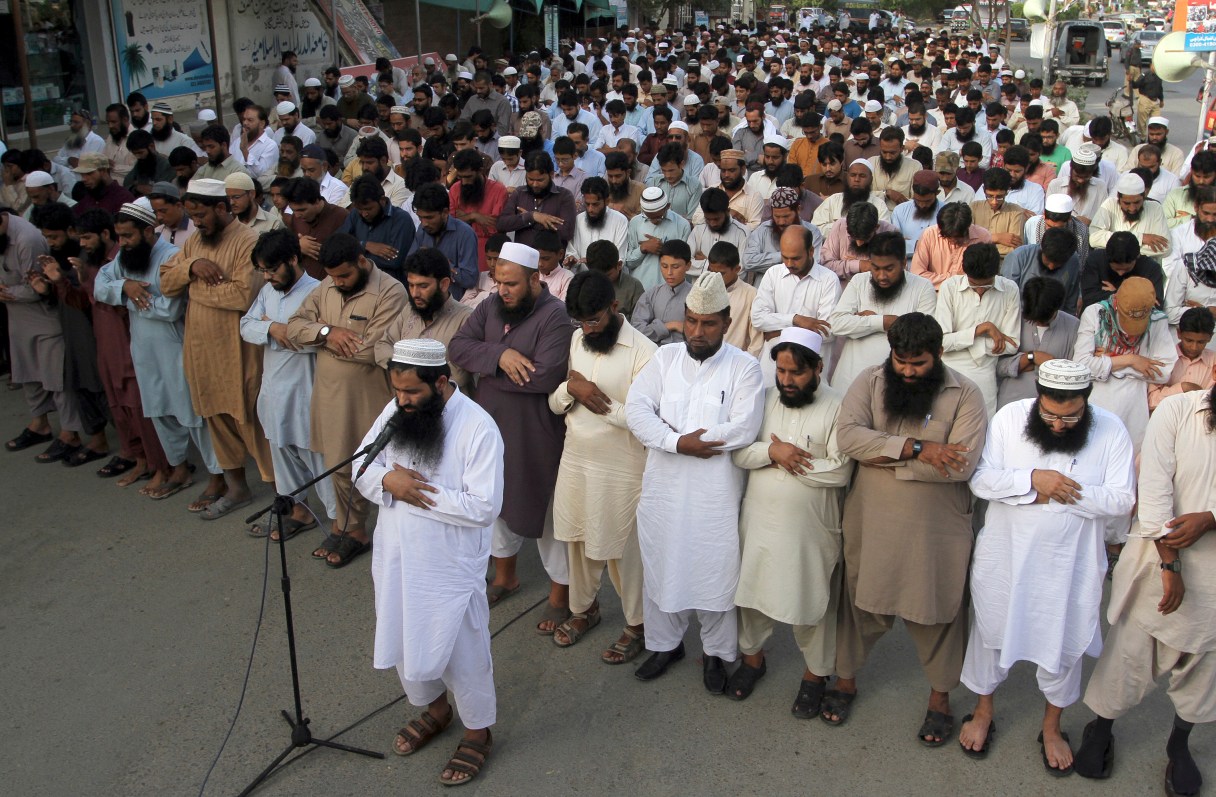
Supporters of a Pakistani religious group, "Jamaat-ud-Dawa," offer funeral prayers for Taliban leader Mullah Mohammad Omar outside a mosque in Karachi, Pakistan, Sunday, Aug. 2, 2015. Afghanistan's Taliban on Thursday confirmed the death of Mullah Omar, who led the group's self-styled Islamic emirate in the 1990s, sheltered al-Qaida through the 9/11 attacks and led a 14-year insurgency against U.S. and NATO troops. (AP Photo/Fareed Khan)

KABUL, Afghanistan (AP) – Afghanistan’s government has addressed the growing leadership crisis in the Taliban for the first time, saying it won’t deal with the militant group separately from other “armed opposition” in the country.

The statement Monday from President Ashraf Ghani’s office also says it will not accept any “parallel political structure” opposed to the Afghan government. That refers to the Taliban, who still call themselves the “Islamic Emirate of Afghanistan.”

Fledgling peace talks between the Taliban and the government halted last week when officials announced Taliban figurehead Mullah Mohammad Omar had died in April 2013.

Mullah Akhtar Mohammad Mansoor took over as leader of the Taliban, but relatives of Mullah Omar have contested his appointment, demanding a full vote of the group’s militants as their nearly 14-year insurgency continues.