
Monday, November 16, 2026Nov 16

Medicare’s end-of-life counseling policy may find acceptance

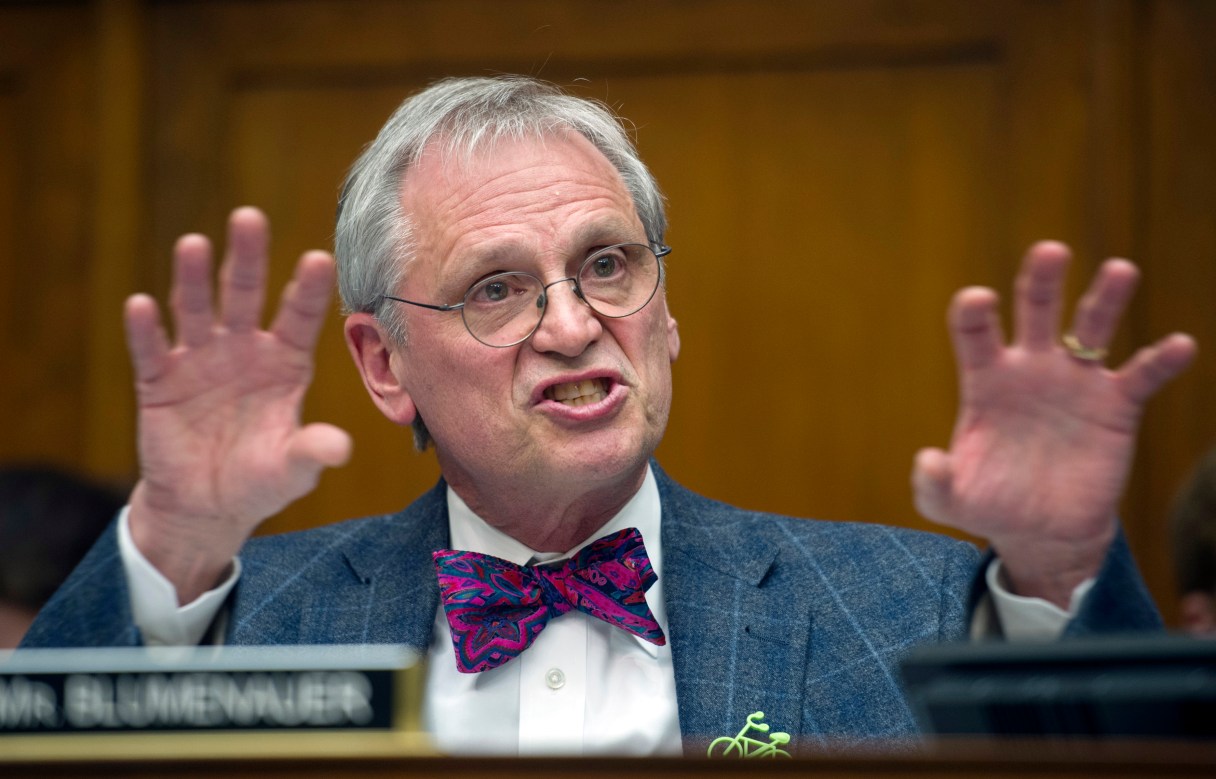
FILE- In this Feb. 4, 2014, file phot, Rep. Earl Blumenauer, D-Ore. questions Michael Botticelli, deputy director, Office of National Drug Control Policy, during a subcommittee hearing on Capital Hill in Washington. Six years ago, a proposal for Medicare to cover end-of-life counseling touched off a political uproar that threatened to stall President Barack Obama’s health care law in Congress. On Wednesday, July 8, 2015, when Medicare finally announced it will make the change, reaction was muted.  The Oregon Democrat was the original sponsor of the idea. (AP Photo/Cliff Owen, File)
FILE- In this Feb. 4, 2014, file phot, Rep. Earl Blumenauer, D-Ore. questions Michael Botticelli, deputy director, Office of National Drug Control Policy, during a subcommittee hearing on Capital Hill in Washington. Six years ago, a proposal for Medicare to cover end-of-life counseling touched off a political uproar that threatened to stall President Barack Obama’s health care law in Congress. On Wednesday, July 8, 2015, when Medicare finally announced it will make the change, reaction was muted. The Oregon Democrat was the original sponsor of the idea. (AP Photo/Cliff Owen, File)

WASHINGTON (AP) – Six years ago, a plan for Medicare to cover end-of-life counseling touched off a political furor that threatened to stall President Barack Obama’s health care law as Congress debated it.

Wednesday, when Medicare finally announced it will make the change, reaction was muted.

At the time, former Alaska Republican Gov. Sarah Palin’s charge that voluntary counseling could lead to “death panels” dictating the fate of seniors was widely discredited.

But for the Obama administration, end-of-life counseling remained politically toxic, even as the idea found broader acceptance in society.

Dr. Joe Rotella, chief medical officer of the American Academy of Hospice and Palliative Medicine, called Medicare’s move a “little miracle.”