
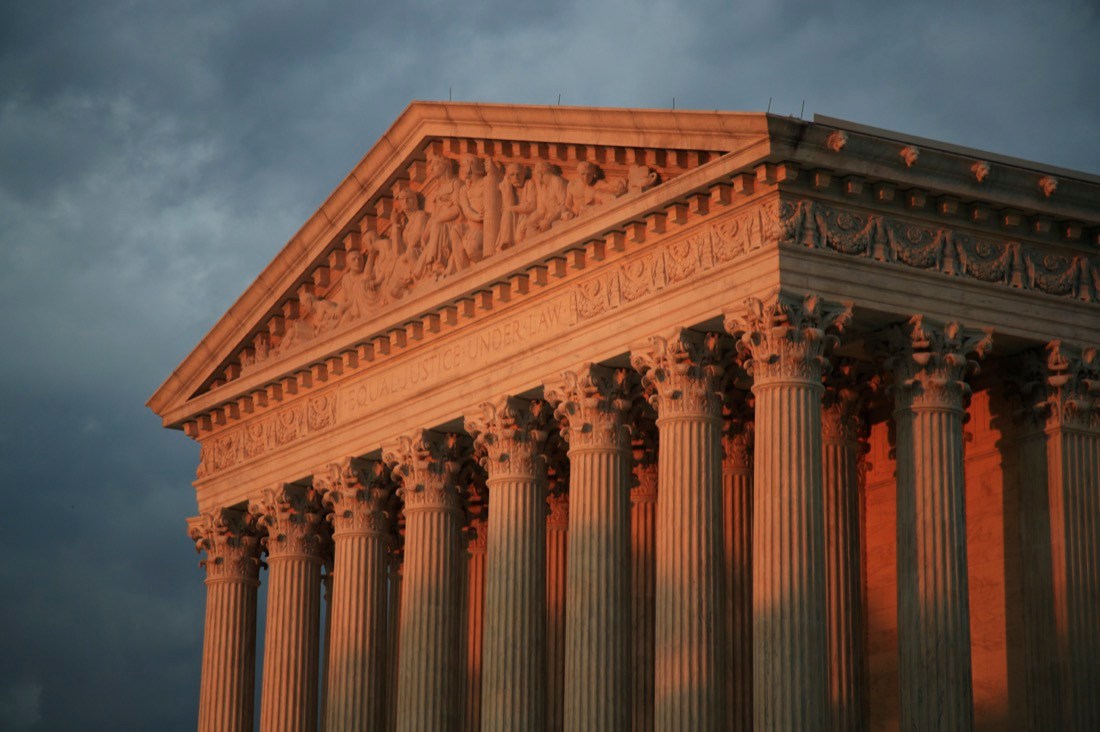
WASHINGTON (AP) – The Supreme Court on Friday left in place Texas’ ban on most abortions, offering only a glimmer of daylight for clinics in the state to challenge the nation’s most restrictive abortion law.
The decision, little more than a week after the court signaled it would roll back abortion rights and possibly overturn its landmark Roe v. Wade decision, was greeted with dismay by abortion rights supporters but praise by opponents.
Five conservative justices, including three appointed by former President Donald Trump, formed a majority to limit who can be sued by the clinics, a result that both sides said probably will prevent federal courts from effectively blocking the law.
Texas licensing officials may be sued, but not state court judges, court clerks or state Attorney General Ken Paxton, the court ruled. That seems to leave people free, under the unusual structure of the Texas law, to sue abortion clinics and anyone else who “aids or abets” an abortion performed after cardiac activity is detected in an embryo, around six weeks and before some women know they’re pregnant.
“The Supreme Court has essentially greenlit Texas’s cynical scheme and prevented federal courts from blocking an unconstitutional law,” the Center for Reproductive Rights, which represents the Texas clinics, said on Twitter.