
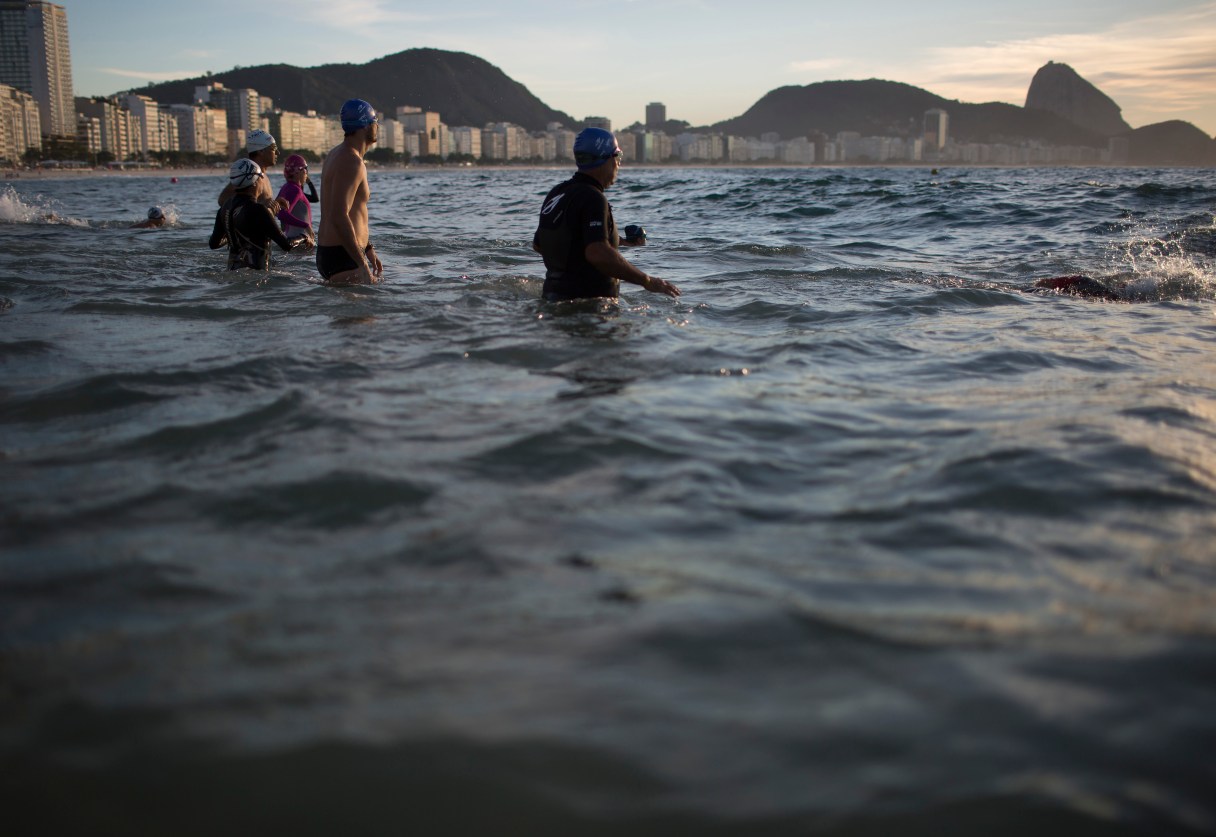
RIO DE JANEIRO — Athletes in next year’s Summer Olympics here will be swimming and boating in waters so contaminated with human feces that they risk becoming violently ill and unable to compete in the games, an Associated Press investigation has found.
An AP analysis of water quality revealed dangerously high levels of viruses and bacteria from human sewage in Olympic and Paralympic venues – results that alarmed international experts and dismayed competitors training in Rio, some of whom have already fallen ill with fevers, vomiting and diarrhea.
It is the first independent comprehensive testing for both viruses and bacteria at the Olympic sites.
Brazilian officials have assured that the water will be safe for the Olympic athletes and the medical director of the International Olympic Committee said all was on track for providing safe competing venues. But neither the government nor the IOC tests for viruses, relying on bacteria testing only.
Extreme water pollution is common in Brazil, where the majority of sewage is not treated. Raw waste runs through open-air ditches to streams and rivers that feed the Olympic water sites.