
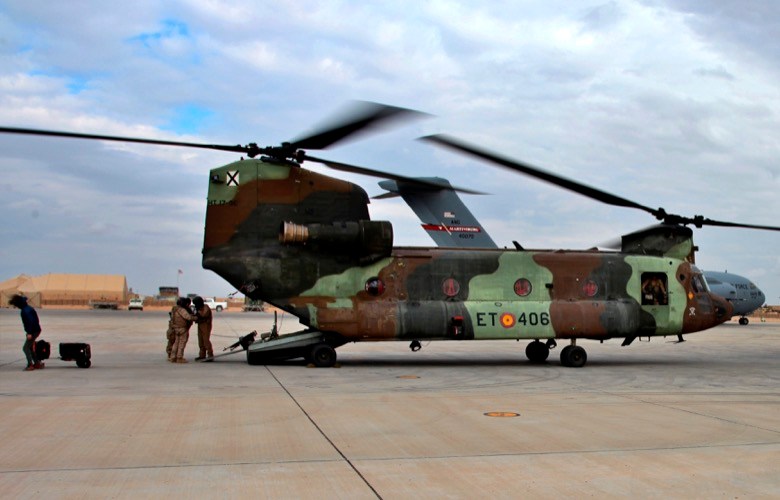
BAGHDAD (AP) – A new watchtower rose over an American military base in northern Iraq, and cranes lifted hefty slabs of concrete to reinforce the barricades in beefed-up protections. The danger, soldiers there said, came not from the constellation of militant sleeper cells embedded in the landscape but further afield in Iran.
U.S. forces in Iraq have been on guard for retaliation by Iran or its Shiite militias allies since the U.S. killed Iran’s top general in Iraq with an airstrike in Baghdad last month. The Jan. 3 strike also fueled a wave of outrage among Iraq’s Shiite leadership and intensified demands that American troops leave the country.
Since then, Iraqi leaders have scaled back the saber-rattling rhetoric. But behind closed doors, the bitterness has poisoned the partnership. The government told the Iraqi military not to seek U.S. help in operations fighting the Islamic State group, two senior Iraqi military officials told The Associated Press – a sign that authorities are serious about rethinking the strategic relationship.
At stake are vital U.S.-provided weapons, military technologies and aircraft that have been key in countering the threat of Islamic State group militants trying to make a comeback in northern and western Iraq. The prospect of losing that help is one reason why Iraqi politicians have cooled their demands for American forces to go immediately. Senior Iraqi military officials oppose a withdrawal.
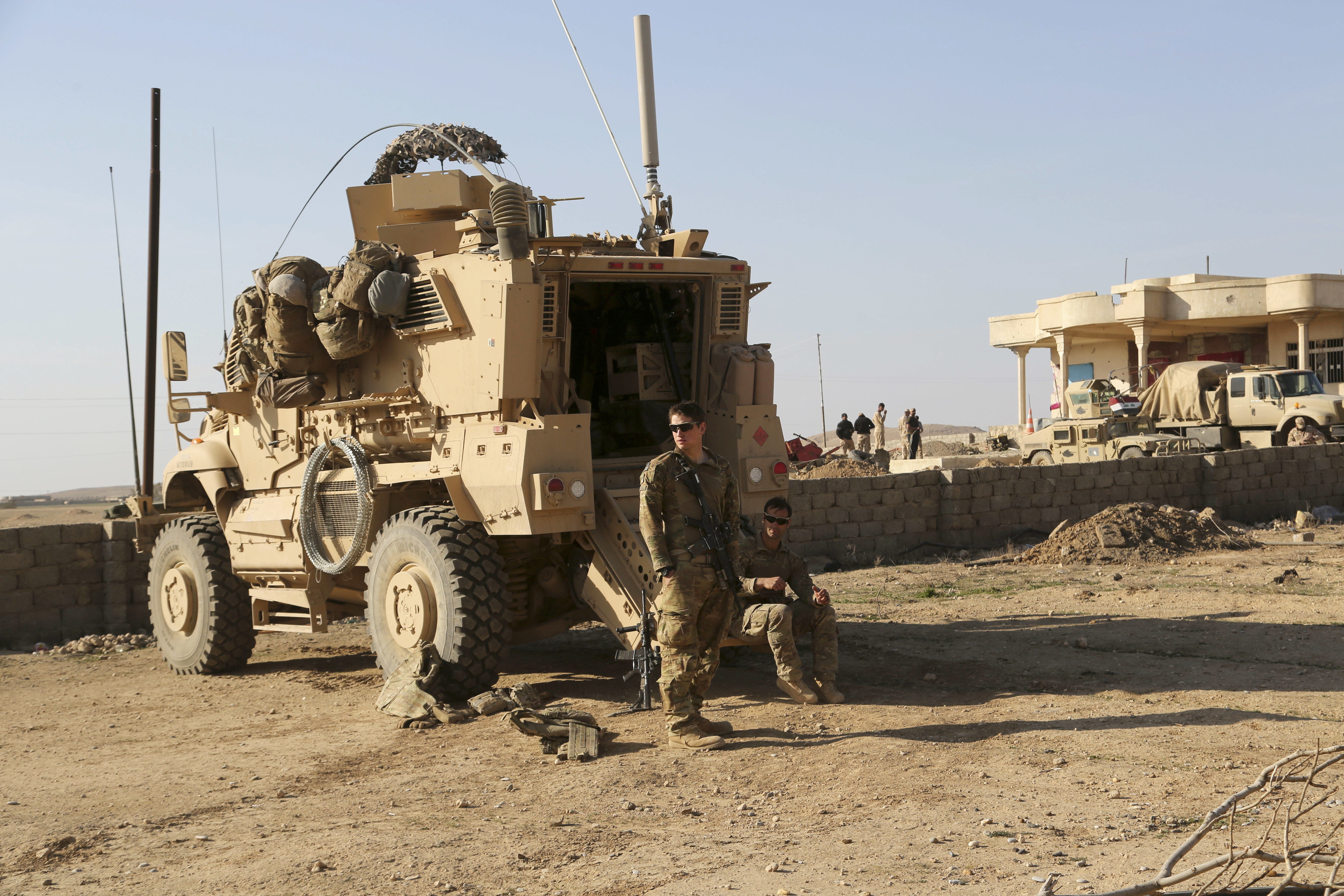 FILE – In this Feb. 23, 2017 file photo, U.S. Army soldiers stand outside their armored vehicle on a joint base with the Iraqi army, south of Mosul, Iraq. As Iraqi forces push into western Mosul coalition troops are closer to frontline fighting than ever before. The Iraqi government has told its military not to seek assistance from the U.S.-led coalition forces in operations against the Islamic State group, two senior Iraqi military officials said. The move comes amid a crisis of mistrust tainting U.S.-Iraq ties after an American strike killed Soleimani and an Iraqi militia commander. (AP Photo/ Khalid Mohammed, File)
“To us the American presence is like the electricity network in a house,” said a brigadier general stationed in western Iraq, speaking on condition of anonymity because he was not authorized to speak to media. “If the light is turned off the whole place goes dark.”