
Monday, November 16, 2026Nov 16

Russia lifts ban on delivery of S-300 missiles to Iran

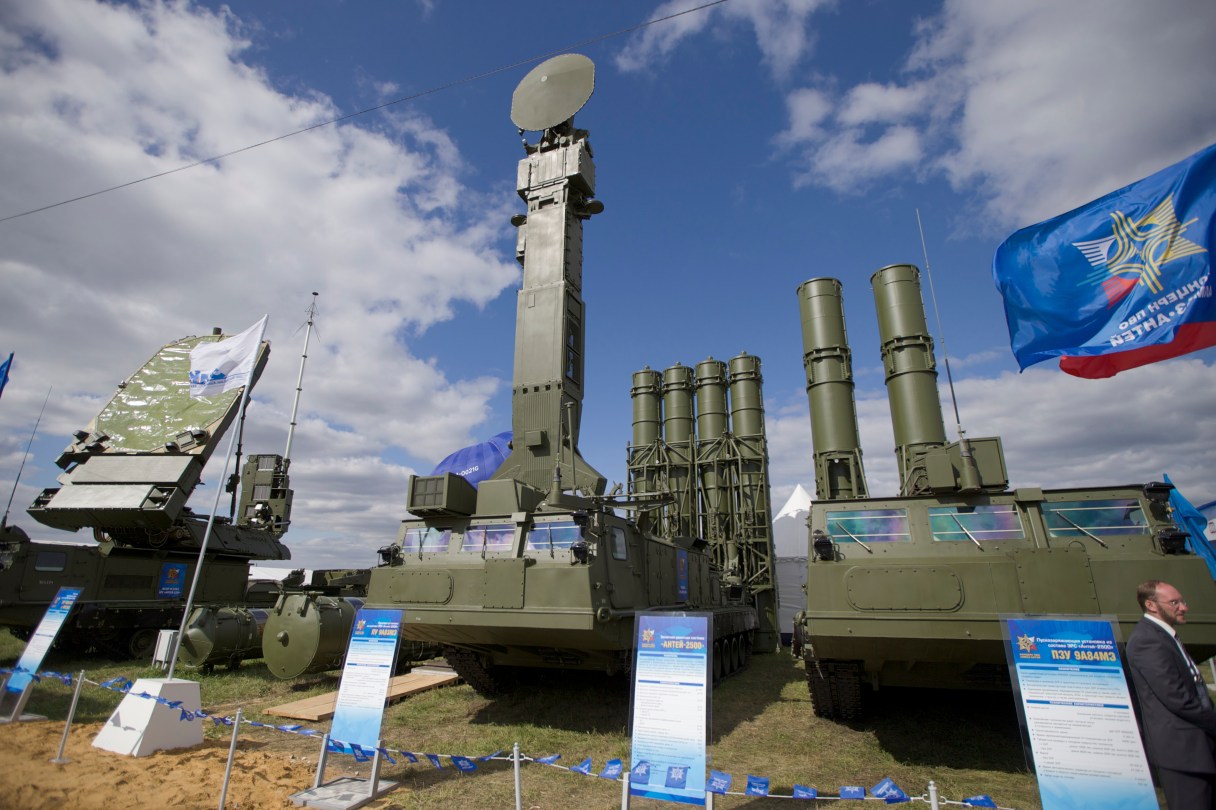
FILE - In this file photo taken on Tuesday, Aug.  27, 2013 a Russian air defense missile system Antey 2500, or S-300 VM, is on display at the opening of the MAKS Air Show in Zhukovsky outside Moscow. Russia has supplied similar systems to Syria. The Kremlin says Russia has lifted its ban on the delivery of a sophisticated air defense missile system to Iran. Russia signed the $800 million contract to sell Iran the S-300 missile system in 2007, but later suspended their delivery because of strong objections from the United States and Israel. The decree signed Monday, April 13, 2015, by President Vladimir Putin allows for the delivery of the missiles. (AP Photo/Ivan Sekretarev, File)
FILE - In this file photo taken on Tuesday, Aug. 27, 2013 a Russian air defense missile system Antey 2500, or S-300 VM, is on display at the opening of the MAKS Air Show in Zhukovsky outside Moscow. Russia has supplied similar systems to Syria. The Kremlin says Russia has lifted its ban on the delivery of a sophisticated air defense missile system to Iran. Russia signed the $800 million contract to sell Iran the S-300 missile system in 2007, but later suspended their delivery because of strong objections from the United States and Israel. The decree signed Monday, April 13, 2015, by President Vladimir Putin allows for the delivery of the missiles. (AP Photo/Ivan Sekretarev, File)

MOSCOW (AP) – President Vladimir Putin on Monday opened the way for Russia’s delivery of a sophisticated air defense missile system to Iran, a move that would significantly bolster the Islamic republic’s military capability.

The decision was quickly welcomed by Tehran, while it worried Israel, which saw it as a sign that Iran already had begun to cash in on the nuclear deal with world powers that is expected to be finalized by the end of June.

Russia signed the $800 million contract to sell Iran the S-300 missile system in 2007, but suspended their delivery three years later because of strong objections from the United States and Israel. Putin on Monday lifted that ban.

The preliminary agreement on settling the Iranian nuclear standoff reached earlier this month made the 2010 Russian ban unnecessary, Russian Foreign Minister Sergey Lavrov said in a televised statement.

“The S-300 is exclusively a defensive weapon, which can’t serve offensive purposes and will not jeopardize the security of any country, including, of course, Israel,” he said.