
Four years ago, the rise of remote work created a new version of the American dream: No longer forced to live close to the office, millions of people realized they could pull up stakes from New Jersey or wherever and move to sunnier, cheaper places.
Unfortunately, many who made the trip found a nightmare waiting when they arrived: climate change and its accompanying threat of home-destroying natural disasters.
The good news is that destruction and soaring insurance costs might finally be forcing Americans to take climate into account when deciding where to live. The bad news is that, on the whole, they’re still making risky choices — often leaping from figurative frying pans into literal fires.
After years of population booming in regions most exposed to proliferating natural disasters, the stampede has started to slow, a new report from the real estate company Redfin suggests. A net 16,144 people moved into U.S. counties with high flood risk last year, as defined by the climate-research firm First Street Foundation. That’s a striking slowdown from the 383,656 who rushed into those places in 2021 and 2022. And a net 63,365 people moved into high wildfire-risk counties in 2023, compared with 446,343 in the previous two years.
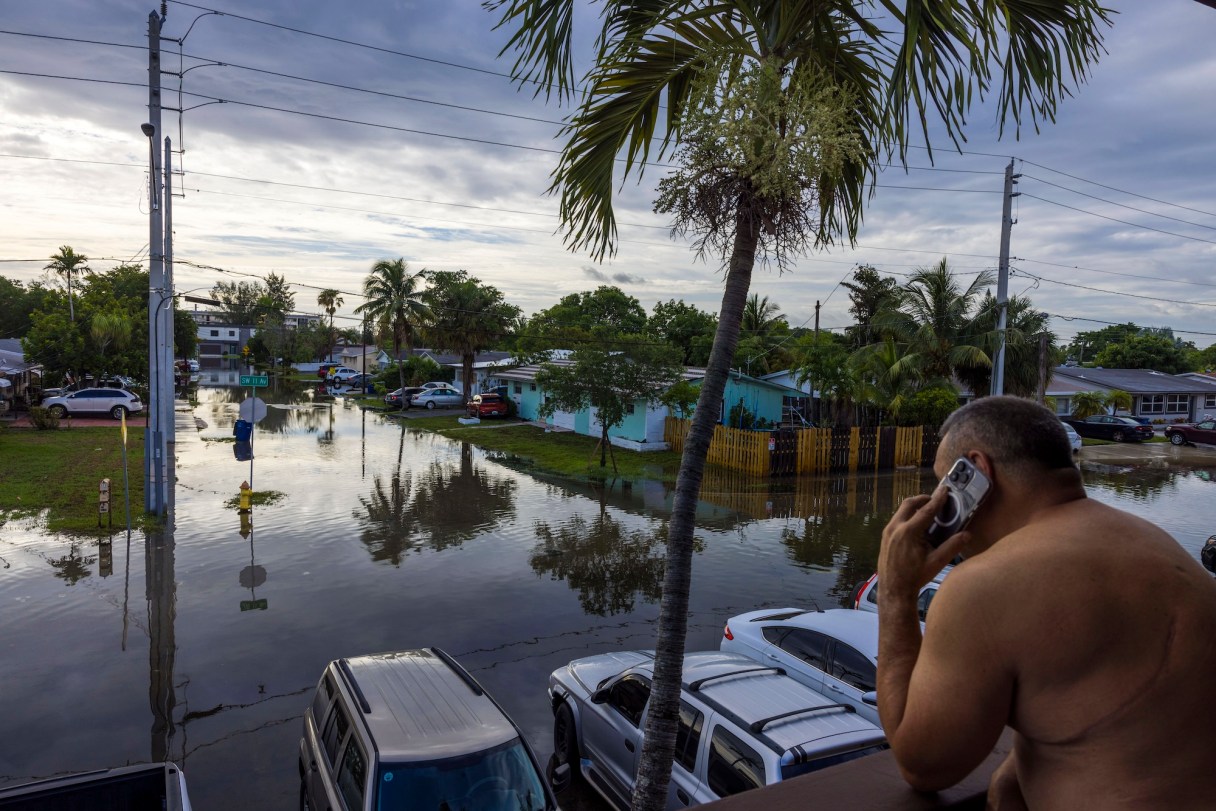
People are flat-out abandoning specific places that have become synonymous with catastrophe, such as California’s wildfire country, disaster-prone Houston, coastal Louisiana and increasingly semiaquatic Miami. Of course, many of those places also have high living costs, so it’s difficult to separate the climate signal from the noise of the more-traditional reasons people move.