
Monday, November 9, 2026Nov 9

High court sides with Google in copyright fight with Oracle

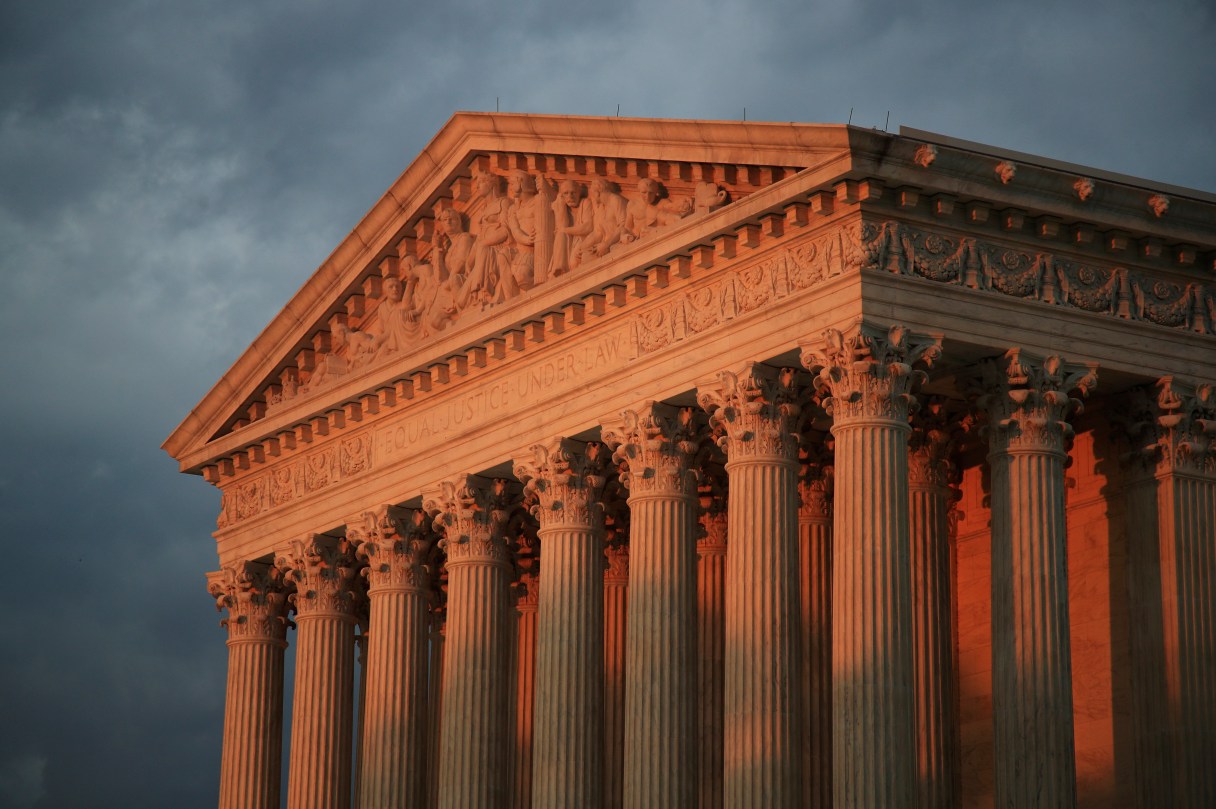
FILE - In this Oct. 4, 2018, file photo, the U.S. Supreme Court is seen at sunset in Washington. The Supreme Court is siding with Google in an $8 billion copyright dispute with Oracle. The justices sided with Google 6-2 on April 5, 2021. The case has to do with Google's creation of the Android operating system now used on the vast majority of smartphones worldwide. (AP Photo/Manuel Balce Ceneta, File)
FILE - In this Oct. 4, 2018, file photo, the U.S. Supreme Court is seen at sunset in Washington. The Supreme Court is siding with Google in an $8 billion copyright dispute with Oracle. The justices sided with Google 6-2 on April 5, 2021. The case has to do with Google's creation of the Android operating system now used on the vast majority of smartphones worldwide. (AP Photo/Manuel Balce Ceneta, File) FILE - In this Oct. 4, 2018, file photo, the U.S. Supreme Court is seen at sunset in Washington. The Supreme Court is siding with Google in an $8 billion copyright dispute with Oracle. The justices sided with Google 6-2 on April 5, 2021. The case has to do with Google's creation of the Android operating system now used on the vast majority of smartphones worldwide. (AP Photo/Manuel Balce Ceneta, File)

The Supreme Court sided Monday with Google in an $8 billion copyright dispute with Oracle over the internet company’s creation of the Android operating system used on most smartphones worldwide.

To create Android, which was released in 2007, Google wrote millions of lines of new computer code. But it also used 11,330 lines of code and an organization that’s part of Oracle’s Java platform.

Google had argued that what it did is long-settled, common practice in the industry, a practice that has been good for technical progress. And it said there is no copyright protection for the purely functional, noncreative computer code it used, something that couldn’t be written another way. But Austin, Texas-based Oracle said Google “committed an egregious act of plagiarism,” and it sued.

The justices ruled 6-2 for Google Inc., based in Mountain View, California. Two conservative justices dissented.

Justice Stephen Breyer wrote that in reviewing a lower court’s decision, the justices assumed “for argument’s sake, that the material was copyrightable.”