
As Republicans march ahead with their campaign to tighten voting laws in political battlegrounds, some in their party are worried the restrictions will backfire by making it harder for GOP voters to cast ballots.
The restrictions backed by Republicans in Georgia, Florida, Iowa, Texas and Arizona often take aim at mail voting, a method embraced by voters from both parties but particularly popular with older voters. The new rules, concerned Republicans note, may be billed as adding security or trust in elections but ultimately could add hurdles for key parts of the GOP coalition.
“The suppression tactics included in this bill would hurt the Republican Party as much or more than its opposition,” Texas state Rep. Lyle Larson, a Republican, said in an opinion column this week. “One can only wonder – are the bill authors trying to make it harder for Republican voters to vote?”
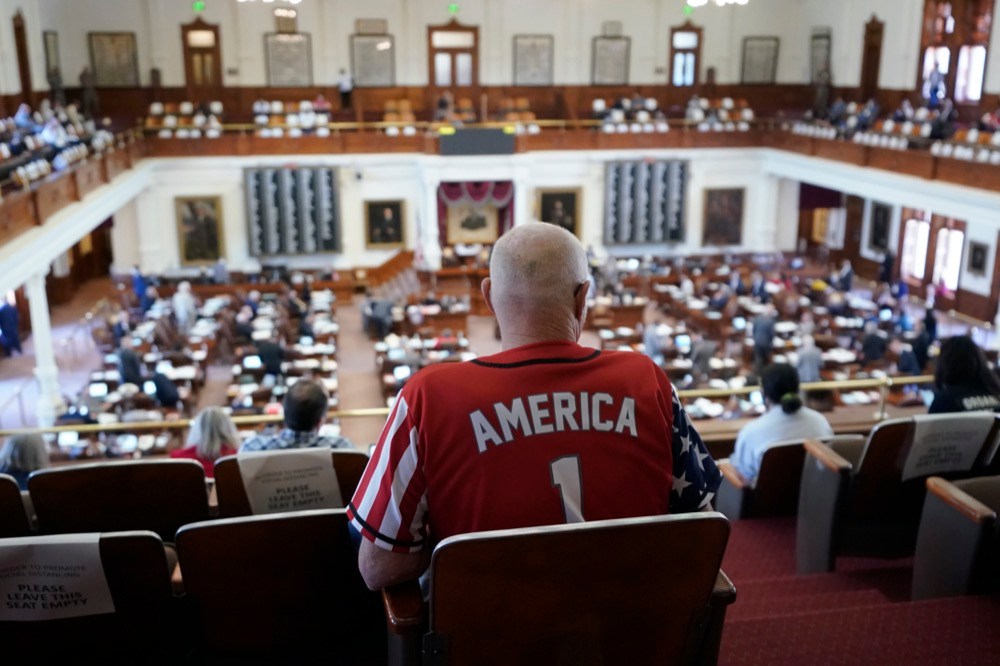
On Thursday, Florida Gov. Ron DeSantis signed a wide-ranging voting bill. And early Friday, the GOP-controlled Texas House of Representatives advanced sweeping election bills after debate that started Thursday stretched well into the night. The push for new restrictions comes even though former President Donald Trump won both states last year and Republican officials touted their elections as fair and efficient. Critics charge the effort is meant to make it harder for Democrats to vote.
But some of the impact is likely to be bipartisan. The Texas proposals add new restrictions on early voting and prohibit county officials from sending ballot request forms to all registered voters. Until last year, it was Republicans who were more likely to cast mail ballots than Democrats were. In 2016, 40% of mail ballots were cast by people who had voted in a GOP primary, compared to 27% cast by Democratic primary voters. In Arizona, thousands of GOP voters could find themselves no longer automatically receiving ballots in the mail under a proposal that would remove infrequent voters from a permanent voting list.