
Education has always been a battleground in the culture war, but the fight over what can or should be taught in schools has escalated to the point where, as in Virginia, it can determine who is elected to high public office.
Conservatives, like new Virginia Gov. Glenn Youngkin, are convinced the only way to keep the country strong is to restrict education to “positive” or “patriotic” views of the United States, while those who consider themselves “woke” want to stress the nation’s inequalities and injustices, both past and present. In addition, conservative parents are insisting on “protecting” children from material they consider too sexual, too violent or otherwise distasteful, a category that has had broad application.
Conservatives in more than 30 states have sought to pass laws or issue directives threatening fines, dismissal or even incarceration for educators who defy their edicts.
Most of the criticism of this proposed censorship has been on moral or political grounds, likening the conservative movement to Stalin’s Russia or Hitler’s Germany. Conservatives counter by insisting radical liberals are trying to impose decadent and destructive mores on schoolchildren too young to appreciate evil. As has become inevitable in contemporary America, the terms “freedom,” “democracy,” and “liberty” have been tossed about casually by both sides, neither of which has any intent to extend those principles to their opponents.
(READ MORE: ACLU of Tennessee files open records request on McMinn County’s removal of ‘Maus’)
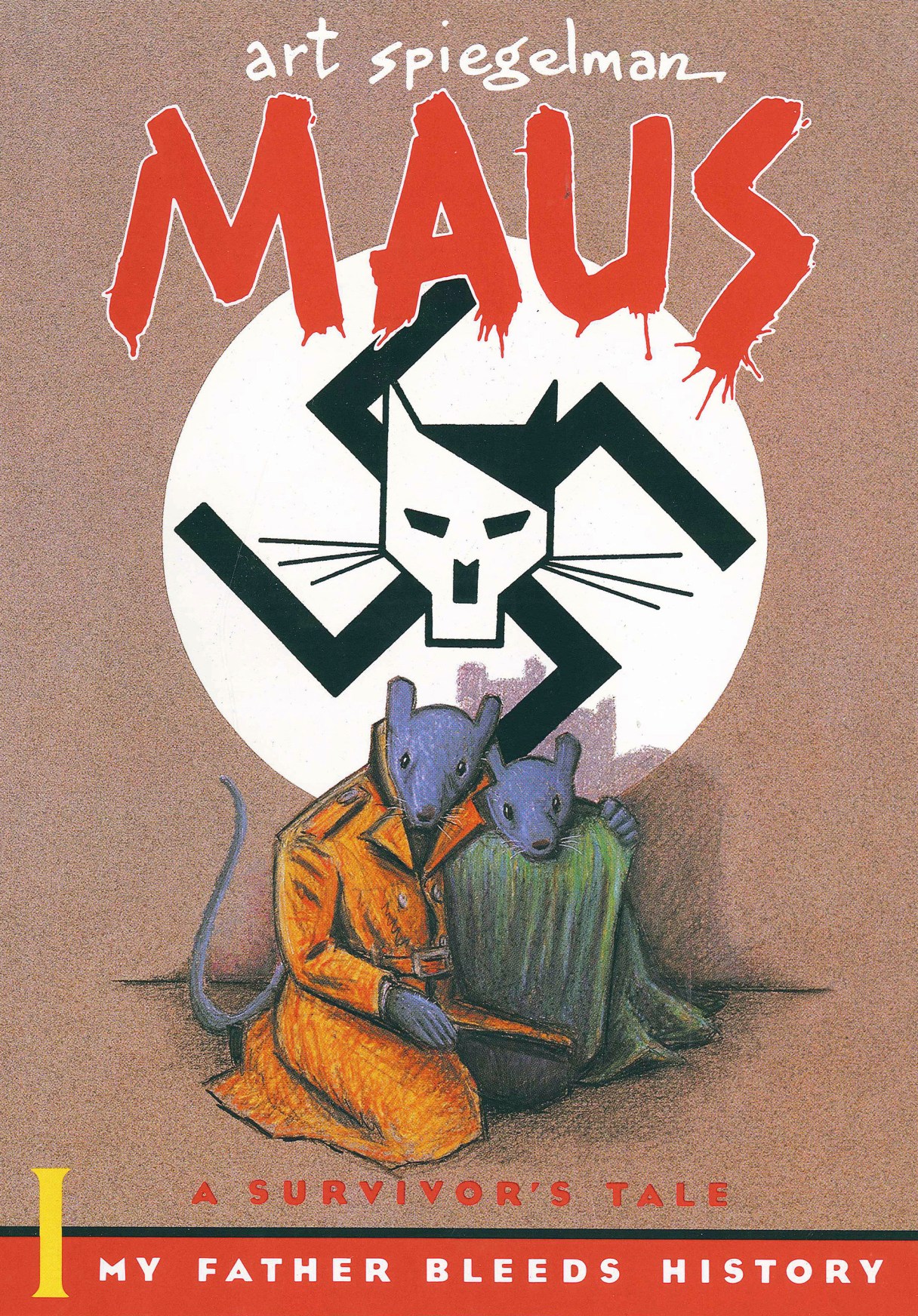
While philosophical questions should certainly be part of the debate, there are other facets of the current crusade that need to be addressed. One obvious consequence of banning just about anything is that it virtually ensures that more and more people will choose to try to experience it. Soon after the McMinn County, Tennessee, school board voted to remove Art Spiegelman’s more than three-decade-old graphic Holocaust novel “Maus” from the eighth grade curriculum, it shot to the very top of the Amazon bestseller list. In addition, bookstores and others opposed to the rule offered free copies of “Maus” to any parent who requested one. As a result, Spiegelman will make more money from his book than he has in years and should consider sending McMinn County officials a thank-you note.
While forbidden fruit is an indication of the futility of trying to forbid dissemination of controversial ideas in anything but a police state, it does not address the most important reason to be wary of censorship. Restricting teaching to “acceptable” material leads to an intellectual homogeneity that works to the detriment of critical thought. One of the key skills parents should want schoolchildren to acquire is the ability to sift through competing points of view and decide for themselves which have validity and where they believe there are flaws. Learning to weigh alternatives is vital not just in studying history or examining social issues but is fundamental to success in business, science, technology, intelligence work and indeed virtually any avenue of human endeavor.
Critical thinking is often sneered at by a large number of Americans, many of them parents, who expose themselves to nothing but facile, convenient commentary by self-serving ideologues. How else, for example, to explain why Americans would refuse to be vaccinated against a dread disease that will eventually kill more than 1 million of their countrymen because they have been told vaccination is part of a devious plot by their political opponents?
In the end, if Americans genuinely wish to maintain this nation’s traditions of innovation, superior problem solving and economic opportunity, they will have to learn to accept that limiting learning to ideas they agree with is not the way to do it.
Tribune Content Agency