
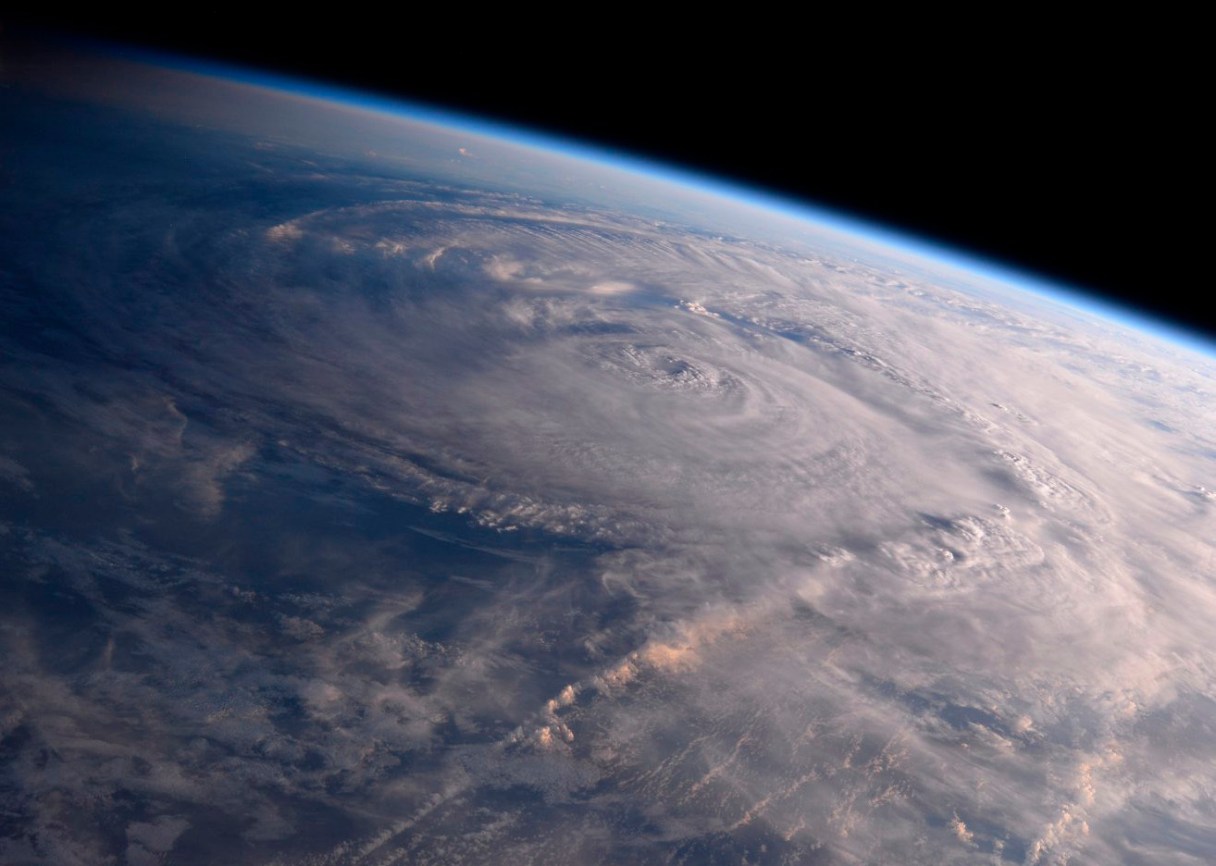
WASHINGTON (AP) – The slow-moving, super-wet and especially devastating storm named Harvey is finally fizzling.
Since first hitting shore near Corpus Christi, Texas, more than a week ago, the storm dumped 27 trillion gallons of rain on Texas and Louisiana – enough to cover all of Manhattan a mile (1.6 kilometers) deep. It set a record for rainfall from a tropical system in the continental U.S., dropping 51.88 inches (1.3 meters) just outside Houston. That’s only an eighth of an inch (3.2 millimeters) behind the U.S. record set in Hawaii in 1950.
The deluge damaged an estimated 156,000 dwellings, and parts of Houston may be flooded for another month. The death toll of 44 ranks it as the mainland’s sixth deadliest hurricane in 50 years.
What made it so bad? Harvey was strange – in how it nearly dissolved once but roared back as a major hurricane, in how it intensified so quickly before hitting land, in how it parked itself over one unfortunate region for so long and, of course, in the amount of rain it generated.
“It had several unique characteristics in terms of its strength and track. And unfortunately they combined to produce a severe impact over a highly populated area,” National Hurricane Center Acting Director Ed Rappaport said.