
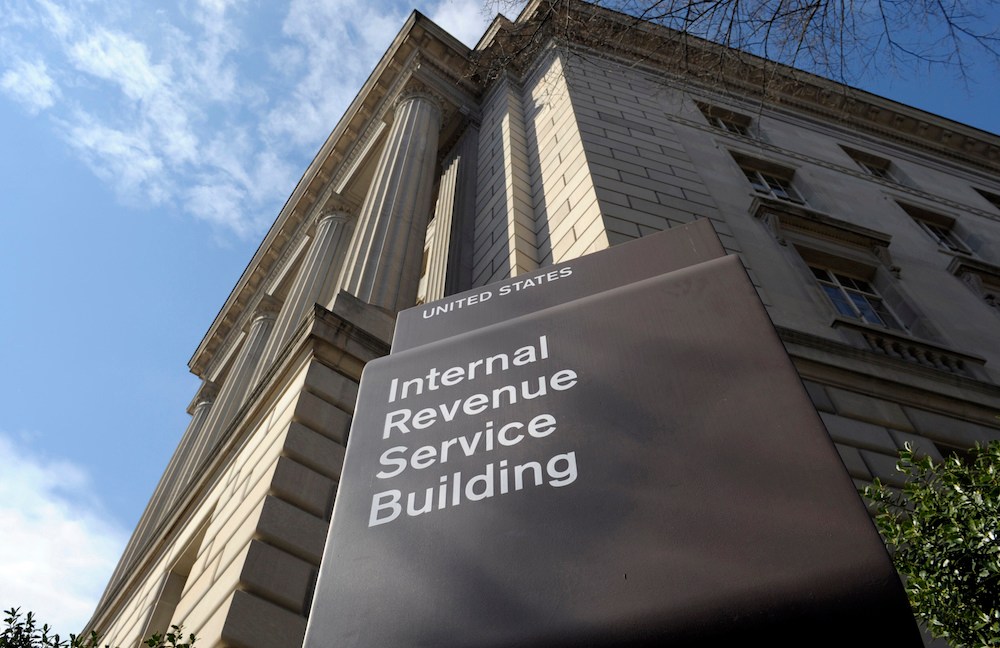
Tax Season 2022 has arrived. Earlier this week, the Internal Revenue Service (IRS) began accepting 2021 tax returns. With the season launched, tax ID thieves will be springing into action by filing fake returns using individuals’ Social Security Numbers (SSN). One way to combat this fraud is to get your return filed first.
How tax identity theft works
Filers submit their tax return to the IRS and wait for their refund to be provided, but instead they receive a mailed notice from IRS stating that more than one tax return was filed using their SSN.
What happened? Scammers can get hold of personal information, such as an account holder’s SSN, address, and birth date through many means. Once they have this information in hand, they complete out a tax return using the stolen information, but provide their own bank account for a refund to be delivered. Once the funds are received, they’ll close the account, making it difficult to track them down.
Tax ID theft is a particularly sneaky con, because victims typically don’t realize they’ve been targeted until they actually file their taxes. That’s why your BBB recommends filing your return as early as possible.
Scammers steal tax information in several ways. Most people aren’t aware that their information has been compromised. It could happen as part of a large data breach or hack, through a phishing scam where you’re lured by a fake message to open an attachment or click on a link, or by an untrustworthy person who has access to records that contain your SSN. Sometimes tax scammers file in the name of a deceased person or steal children’s identities to claim them as dependents.
It’s difficult to avoid identity theft altogether, so it’s important for you to keep a close watch on your accounts and credit reports, and be cautious about where you share your information.
How to avoid tax ID theft scams
File early. The best way to avoid tax identity theft is to file your taxes as early as possible, before a scammer has the chance to use your information. Fortunately the IRS is very aware of this fraud and will work with you if your account is compromised.
Watch out for red flags. If a written notice from the IRS arrives in the mail about a duplicate return, respond promptly. Or, if an IRS notice arrives stating you received wages from somewhere you never worked, or receive other notices that don’t actually apply to you, contact the IRS office immediately. Another big red flag is if you receive a notice that “additional taxes are owed, the refund will be offset or a collection action is being taken against you for a year you did not file a tax return” (IRS). Contact the IRS if you have any suspicions that your identity has been stolen.
Protect your Social Security number. Don’t give out your SSN unless there’s a good reason, and you’ve confirmed the validity of who you’re giving it to.
Research your tax preparer. Make sure your tax preparer is trustworthy before handing over your personal information. See our tips for finding the right tax preparer for you and check out Tax Preparers at bbb.org.
If you are a victim of ID theft, or would like to be proactive in thwarting tax ID theft, consider getting an Identity Protection PIN (IP PIN). This is a six-digit number assigned by the IRS, which, in addition to your SSN, confirms your identity. Once you apply, you must provide the IP Pin each year when you file your federal tax returns. You can visit IRS.gov for more information.
More information is available about tax scams and how to avoid them: BBB Tip on Tax Scams.
If you are the victim of tax identity theft in the U.S., contact the IRS at 1-800-908-4490 and consider filing a complaint with the Federal Trade Commission (FTC) at ftc.gov/complaint or by calling 1-877-FTC-HELP. The FTC also offers a personalized identity theft recovery plan at identitytheft.gov.
If you’ve been targeted by this or another scam, help others avoid the same problem by reporting your experience to BBB.org/ScamTracker. You can also reach out to your BBB serving Southeast Tennessee and Northwest Georgia for help at 423-266-6144.
Michele Mason is president of the Better Business Bureau for Southeast Tennessee and Northwest Georgia.