
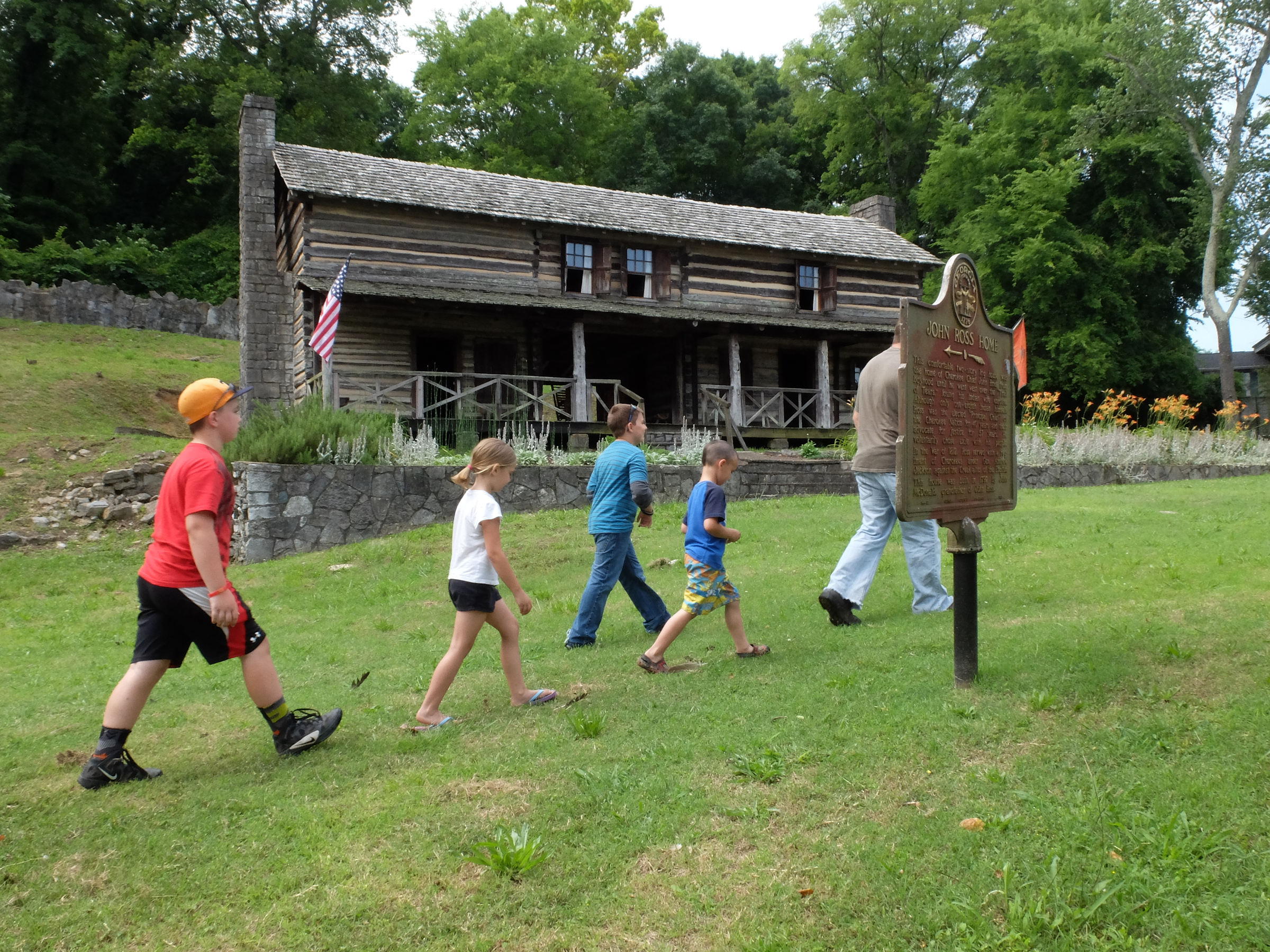
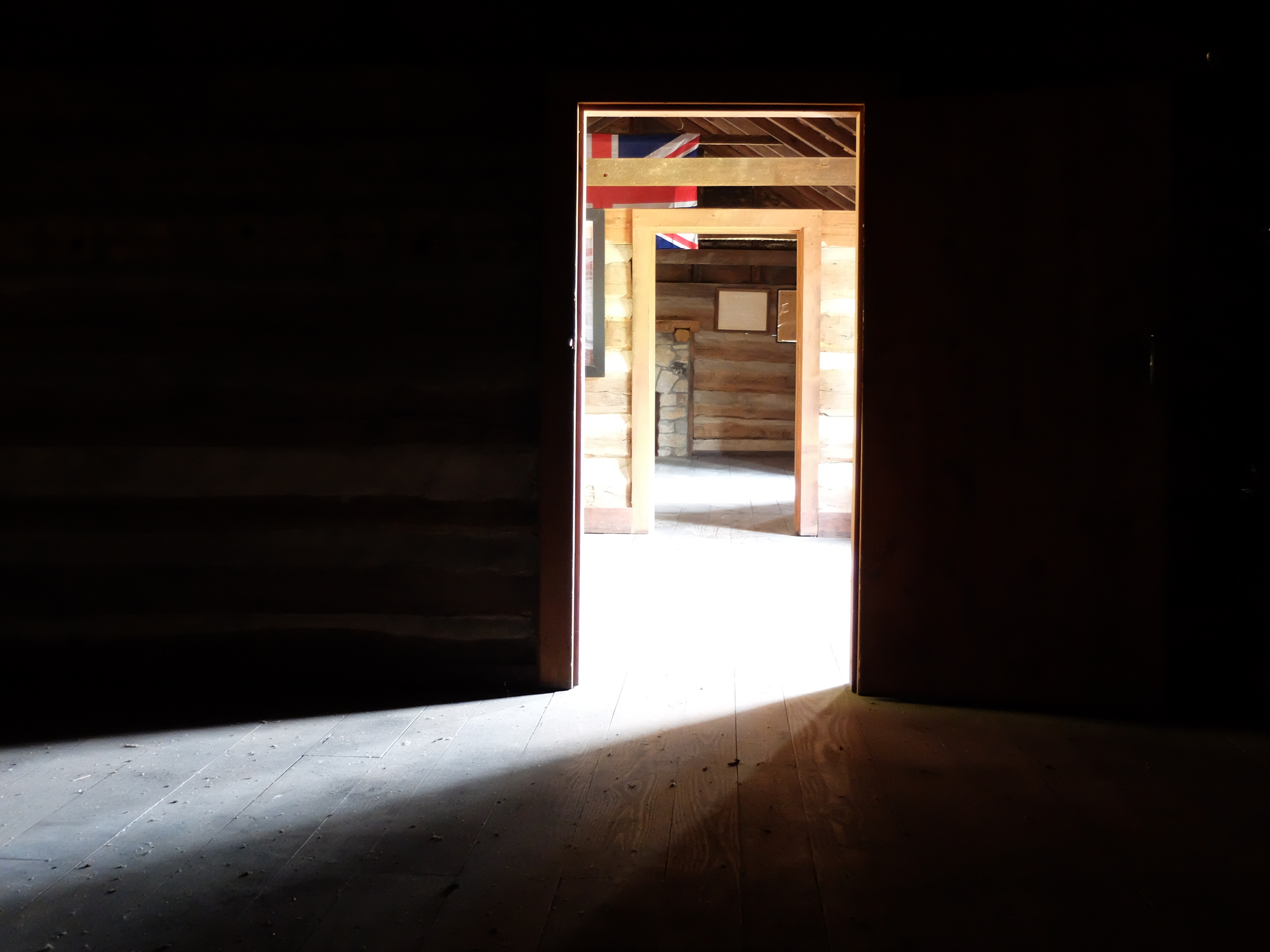
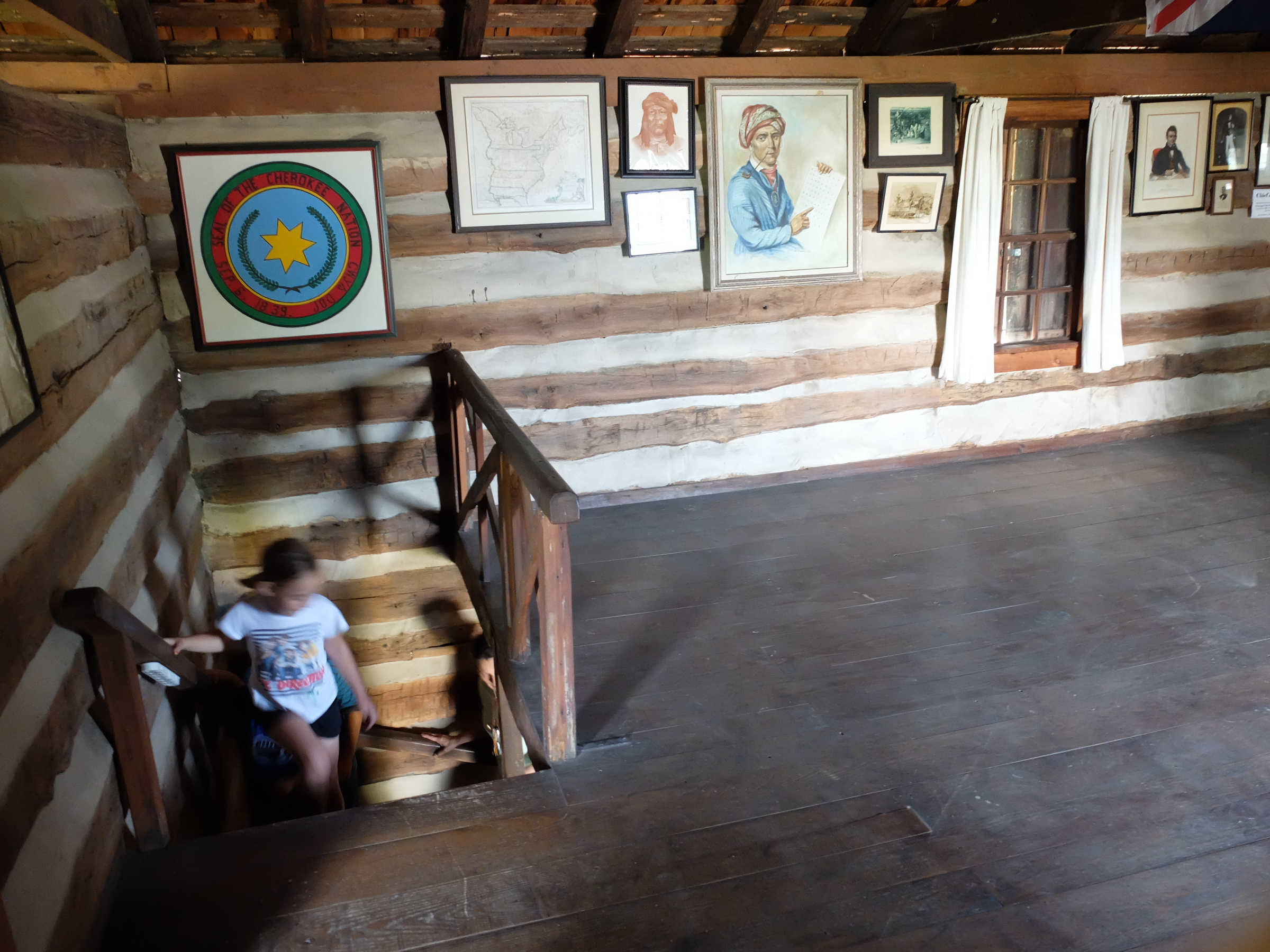
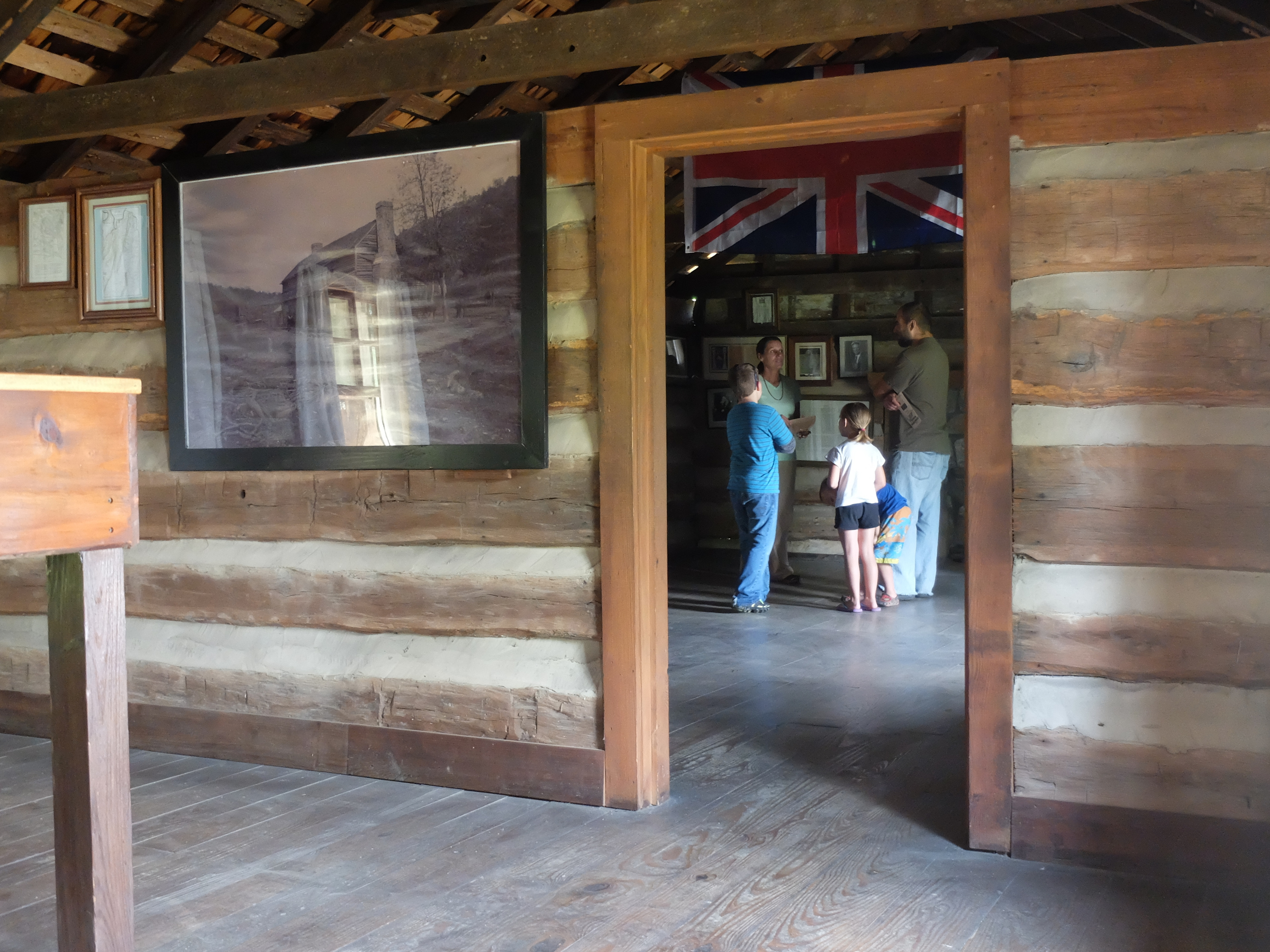
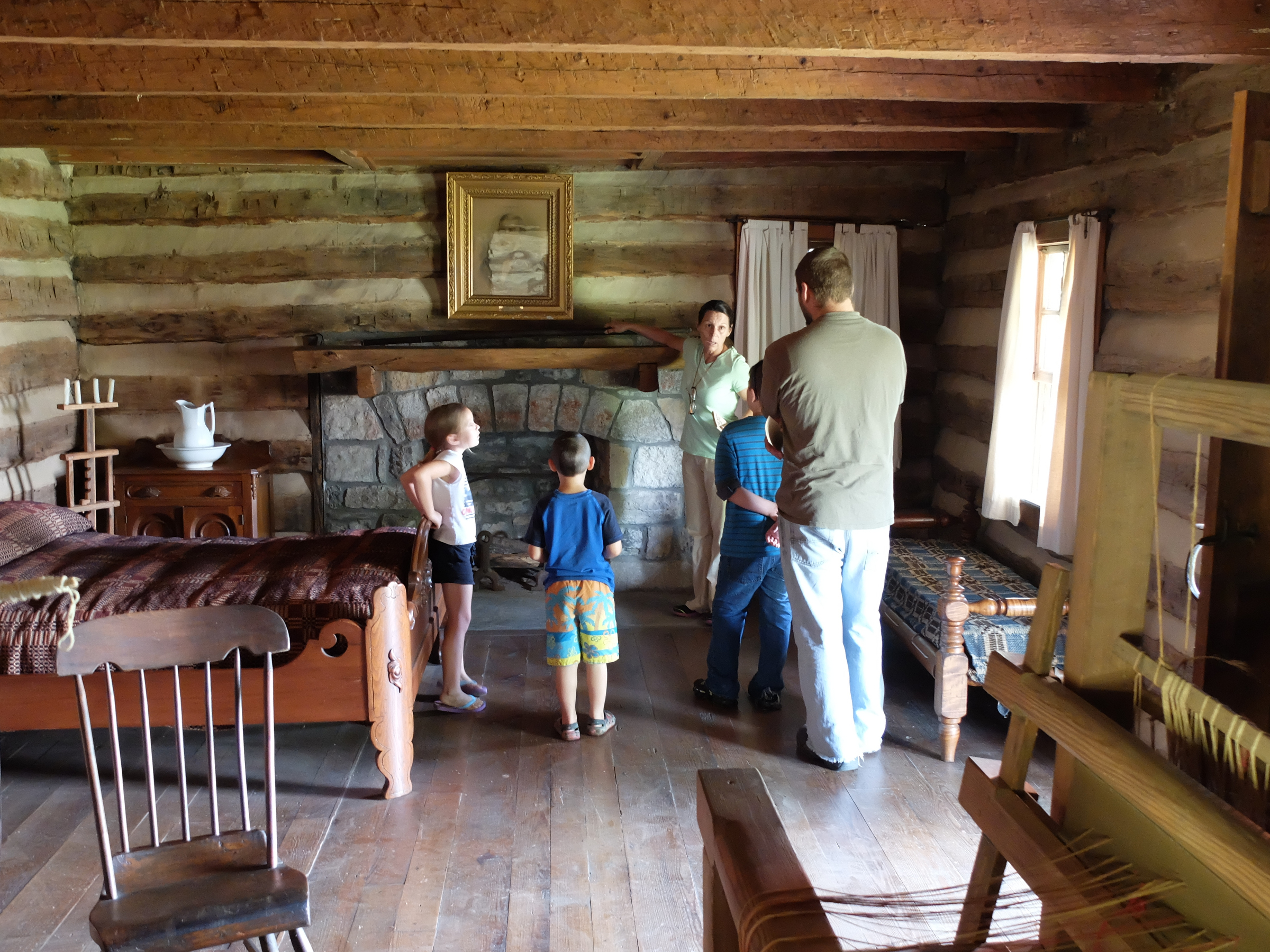
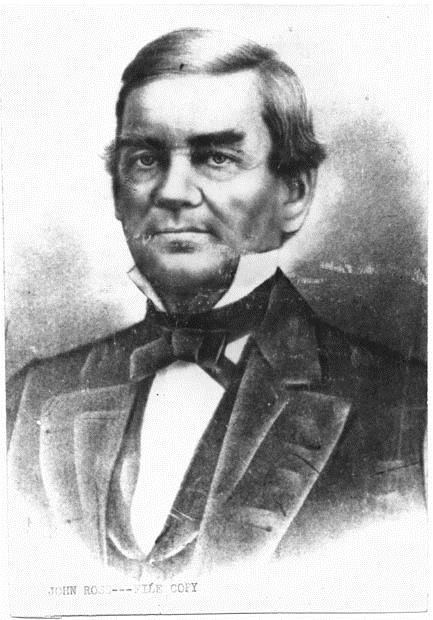
ROSSVILLE – In an old log cabin, now behind the Bi-Lo and the pawn shop, a skilled politician once wrote to one of America’s most powerful leaders, telling him that he just burned down a white man’s farm.
John Ross had already complained to the U.S. government in 1820 that white men were illegally settling on Cherokee land. Andrew Jackson, a general in charge of the military in the South, told Ross he could not help.
His soldiers needed to repair roads and clear shrubs.
So Ross acted on his own, ordering a Cherokee cavalry to burn down the property of a white man named Atkinson. He then returned to his Rossville cabin.
“Atkinson came across the river with his wife & family to defend (his home), not by the force of powder & lead, but by the shedding of tears,” Ross wrote to Jackson. “This unexpected weapon of defence had more effect on the minds of the men, than if he had resorted to the (violent) measures threatened.”
Instead of killing Atkinson, Ross let him return to “the whiteside” with his family, his sheep and his goats.
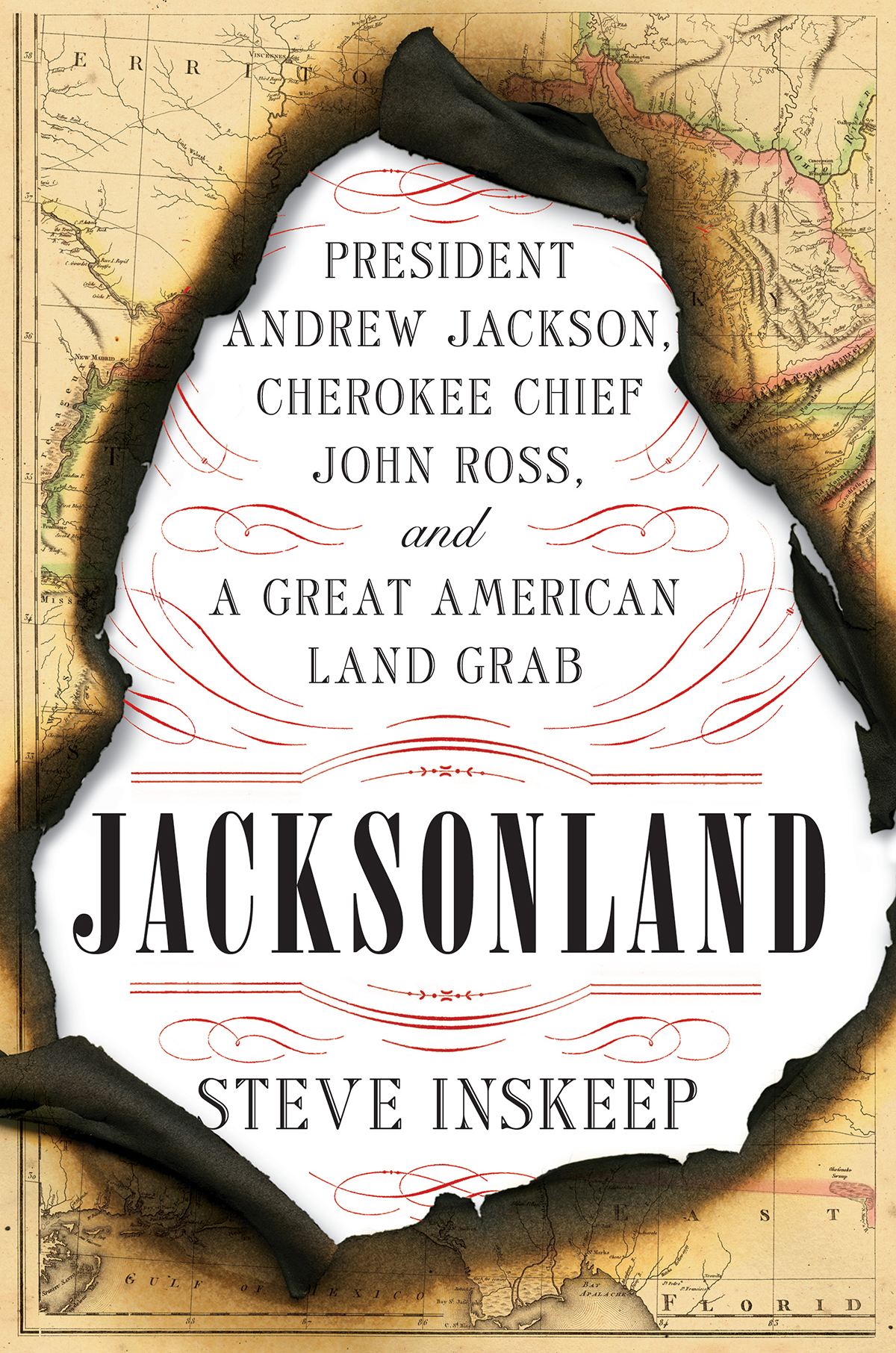
There is no record of Jackson’s response. But Steve Inskeep, the author of a recent book about Jackson and Ross’ political rivalry, believes the future U.S. president’s opinion is obvious.
“He almost certainly disapproved,” Inskeep wrote in “Jacksonland,” released by Penguin Press on May 19. “He would never have let Atkinson walk away.”
Inskeep, host of Morning Edition for National Public Radio, did not know about the namesake of Rossville until three years ago. But when he learned about John Ross, Inskeep said, he realized that the principal chief of the Cherokee Nation is one of the most underappreciated figures in American history.
Often characterized as a two-dimensional hero, the man who fought a good fight against impossible odds, Inskeep poured through hundreds of letters written by Ross to understand him. What emerges in “Jacksonland” is a nuanced portrayal of a politician.
And like all politicians, Inskeep argues, Ross cannot be characterized as “good” or “bad.” He had strengths, like his ability to negotiate with presidents on behalf of Cherokees who were not U.S. citizens. He had weaknesses, like his decision to own slaves.
And he had areas of ambiguity, like his decision to burn down Atkinson’s farm. Atkinson was a poor man with no support from powerful people. But he also broke the law, building a home on Cherokee land.
When he began researching this book, Inskeep did not set out to write about Ross. He said he was instead trying to understand the United States’ broken political system. So he researched the 1830s, when the modern U.S. democracy began to take shape.
That led him to Jackson, and to the Trail of Tears, and to Ross.
The chief fascinated Inskeep. He once served under Jackson in the War of 1812, helping to kill Creek Indians. Years later, he became Jackson’s foil, trying to keep the Cherokees in what is now Northwest Georgia and Chattanooga.
Despite playing with a “bad hand,” Inskeep wrote, Ross was savvy. He formed alliances with powerful people by welcoming missionaries onto Cherokee land, helped write a Cherokee constitution, supported the first American Indian newspaper and successfully sued the Georgia government in the U.S. Supreme Court.
Of course, the end of “Jacksonland” is predictable: Ross led the last of the Cherokees on a journey west in 1838.
But the details of the years leading to the migration are important, Inskeep said. Sure, Ross lost. But it’s important to learn from a great loser.
Jackson began trying to force a Cherokee migration in 1817. But Ross helped his tribe hold out for 20 years. And they left on better terms than other groups, getting more money than the government wanted to give.
Inskeep said the techniques Ross used were similar to the ones that civil rights leaders of the 1960s used. He didn’t find any evidence that advocates like Martin Luther King Jr. studied the Cherokees, but to Inskeep that’s even more interesting.
What does that say about successful protests in the United States? How do you resist this political system?
“John Ross faced that question,” Inskeep said in an interview with the Times Free Press last week. “Martin Luther King faced that question. Other civil rights leaders faced that question. There are certain techniques that can be effective and certain techniques that may not be quite effective enough.”
Inskeep emphasized the importance of the Cherokee newspaper and Ross’ alliance with influential northeastern elites, alliances he formed by embracing Christianity when it was fundamental to white American life.
To research the book, Inskeep traveled through Cherokee land. That included Chattanooga and Ross’ home, now located at 200 E. Lake Ave.
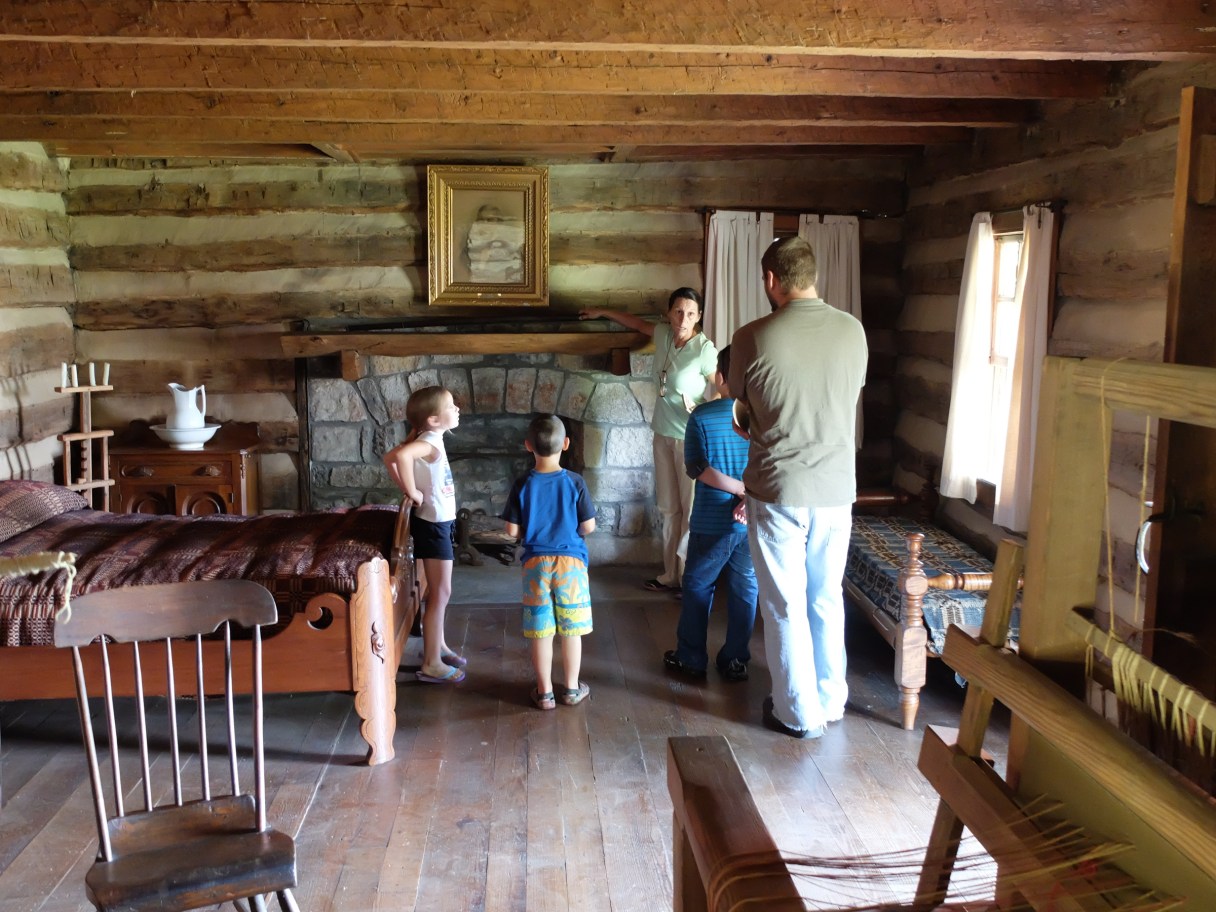
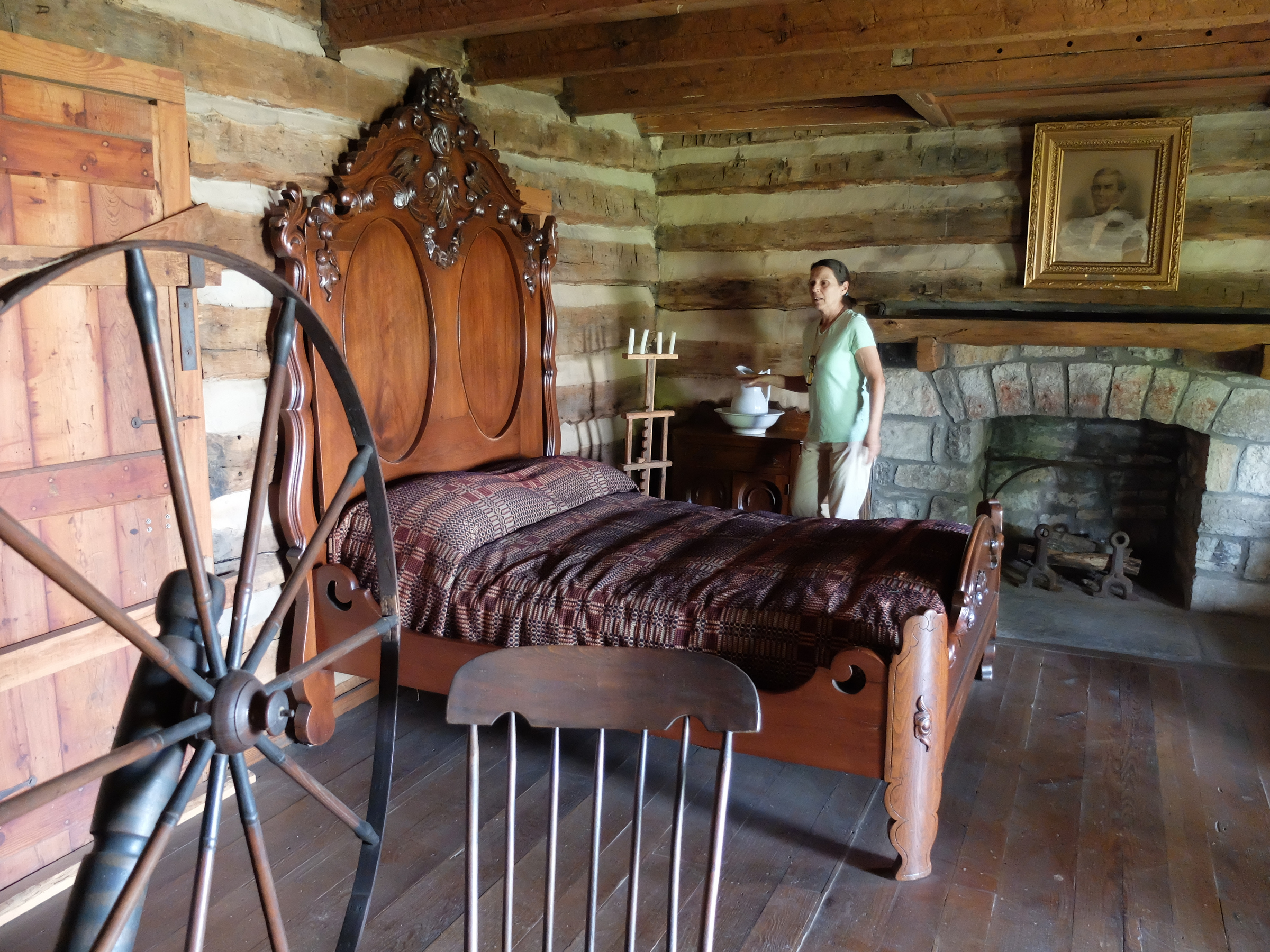
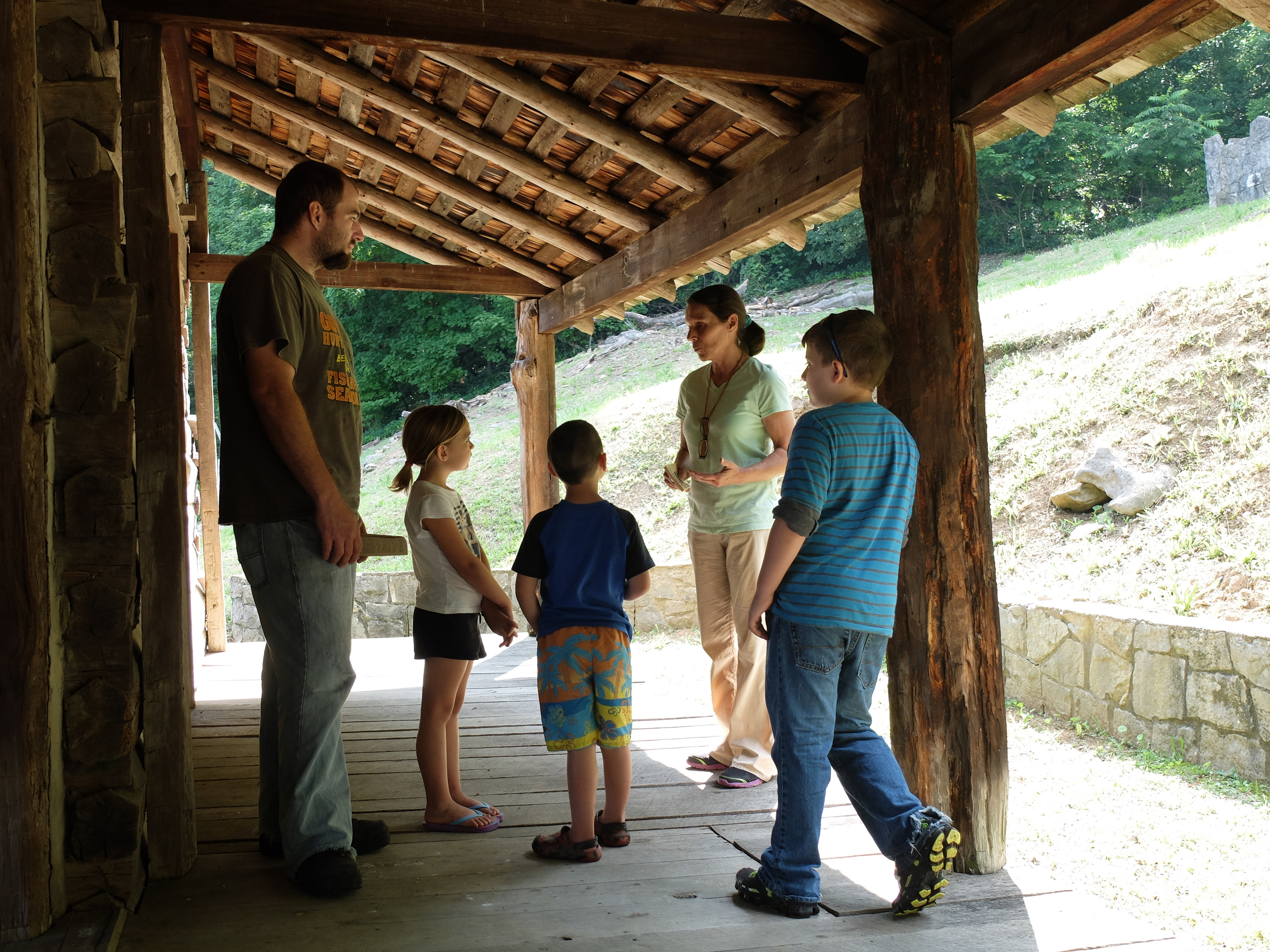
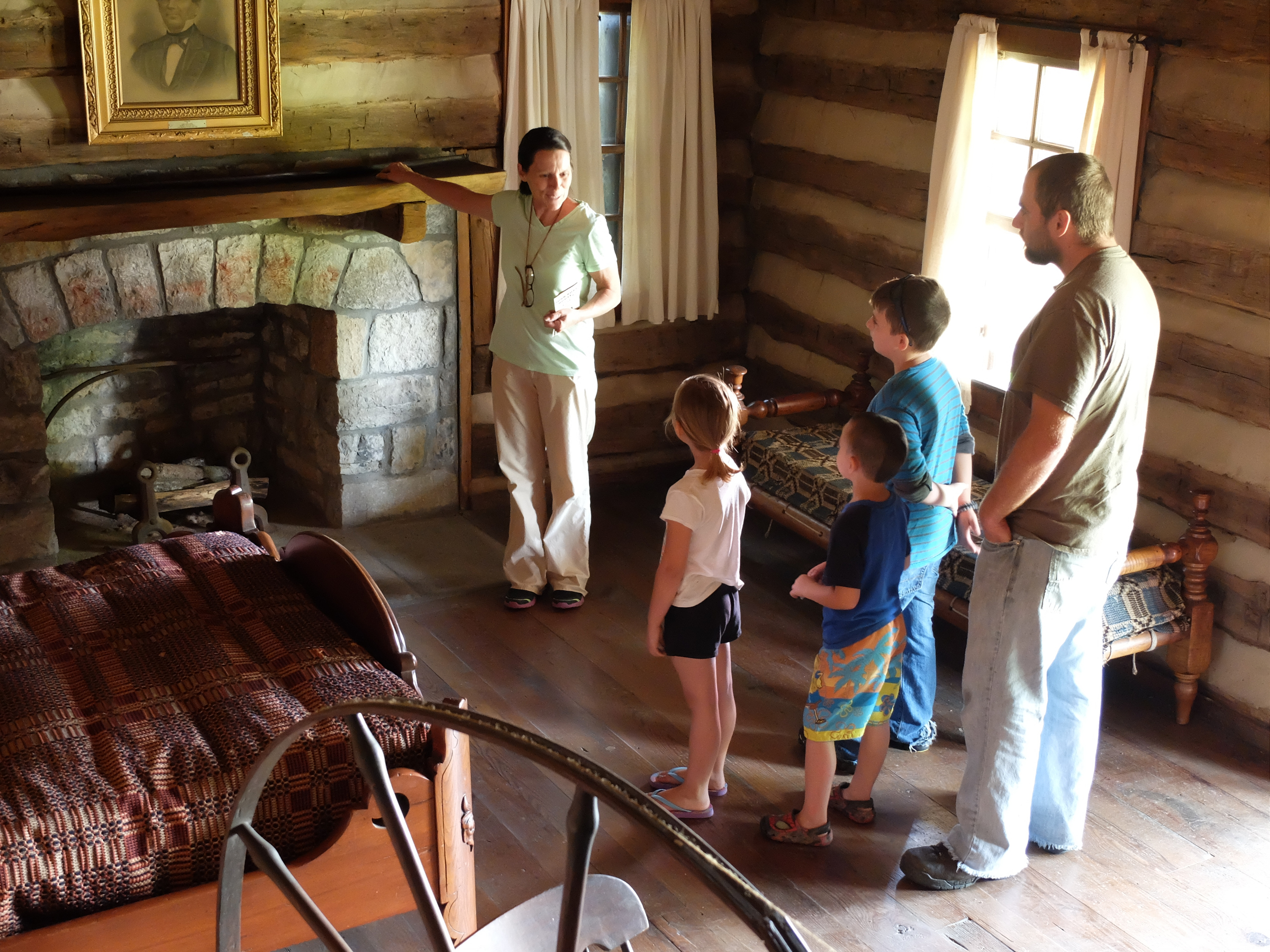
On Friday morning, for the first time this summer, Jackie Atkins gave a family of five a tour of that home. The John Ross House will be open every Thursday through Saturday until the end of August.
The John Ross Association doesn’t have a large enough group of volunteers to keep the home open every day, year around. But they still see a couple of thousand visitors every year.
By comparison, staff at Andrew Jackson’s Hermitage in Nashville say about 180,000 people visit their site annually. But that’s a bigger place, in a bigger city, filled by the presence of a man with a bigger reputation.
Jace Weaver, director of the University of Georgia’s Institute of Native American Studies, said Ross and the leaders of other tribes are widely unknown because of “willful ignorance.”
“To bring up questions about Native Americans is to call into question the entire narrative of American history and ‘American Progress,'” said Weaver, who has not read “Jacksonland” but is writing his own book with his wife about the Cherokee removal.
Inskeep believes there is another issue: When people talk about the Trail of Tears, they talk about the white people who debated the issue. They barely mention the American Indians.
“The Cherokees just play the role of victims,” he said. “I’m not sure we highlight sufficiently that they were actors. They were players. They did something in their own defense.
“We’ve just been looking in the wrong place. You can look right at that story and not see what the story is.”
On Friday morning, inside Ross’ old kitchen, Atkins lifted a white stoneware soup tureen. She studied it, flipped it upside down, pointed to a crest. It’s from the monarchy, she said. The queen of England gave it to Ross.
“There’s so much history here,” she said. “People don’t even know.”
Contact staff writer Tyler Jett at tjett@timesfreepress.com or at 423-757-6476.