
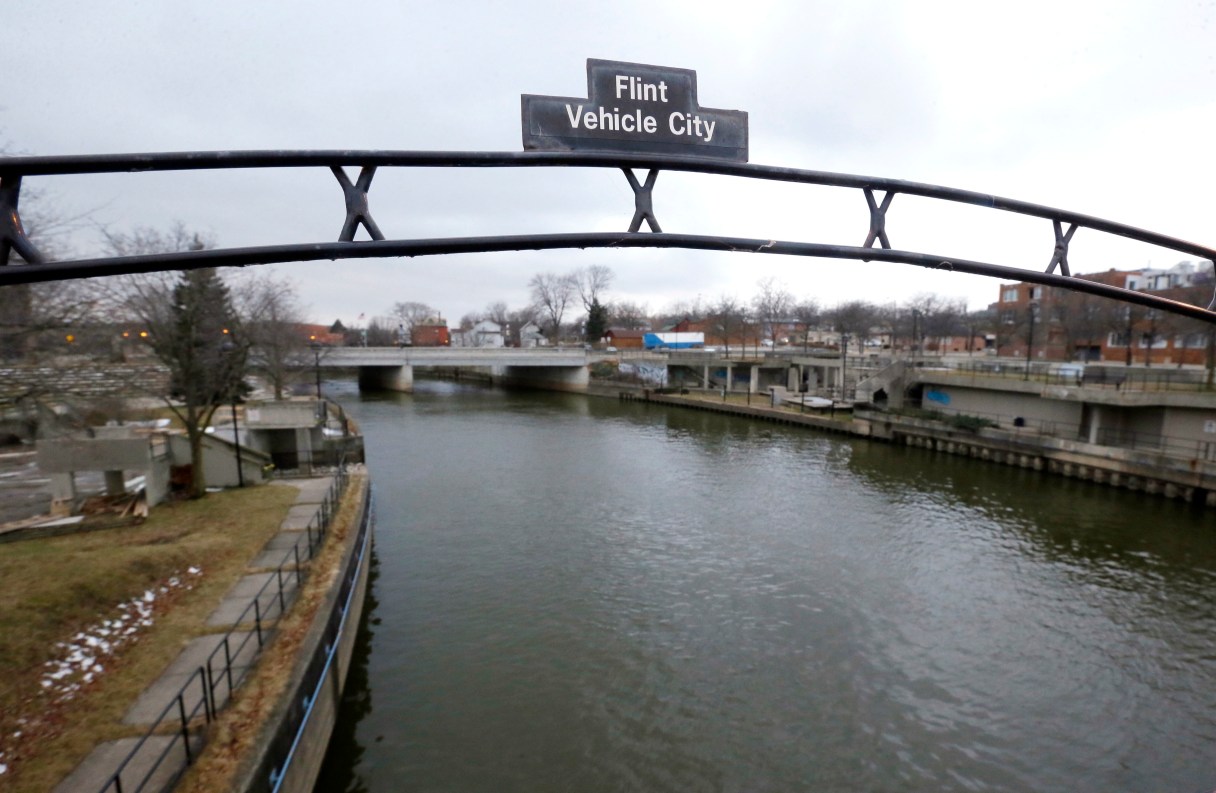
IOWA CITY, Iowa (AP) – States have taken steps to address the risk of lead in drinking water after the crisis in Flint, Michigan, but more needs to be done to share key information with the public, the U.S. Environmental Protection Agency said Thursday.
In letters to state drinking water regulators, the agency called on all states to make individual lead sampling results available online in searchable databases. That practice, already established in states like Illinois, allows residents to see which homes and buildings have been tested by utilities and what levels of the toxin, which is most harmful for young children and pregnant women, was identified.
The EPA said a “substantial number” of states were already posting such information. But others, such as Iowa, have resisted, citing a lack of information technology resources and privacy concerns about posting addresses of testing sites- obstacles the EPA said “can be overcome.”
“EPA believes that posting of individual sampling results is important for public transparency and intends to work with states that are not yet posting individual sample results – to share lessons learned from states that are already doing so, and to urge all states to adopt this practice,” EPA Deputy Assistant Administrator Joel Beauvais wrote.
The agency says it is also concerned that many water systems have incomplete or outdated inventories of locations with lead service lines, a key sign that homes are at risk for contamination. When water comes through the lines that connect many older homes to water mains, lead particles can leach and taint what comes out of the tap.