
Friday, November 13, 2026Nov 13

Hanson: Civilization requires collective common sense

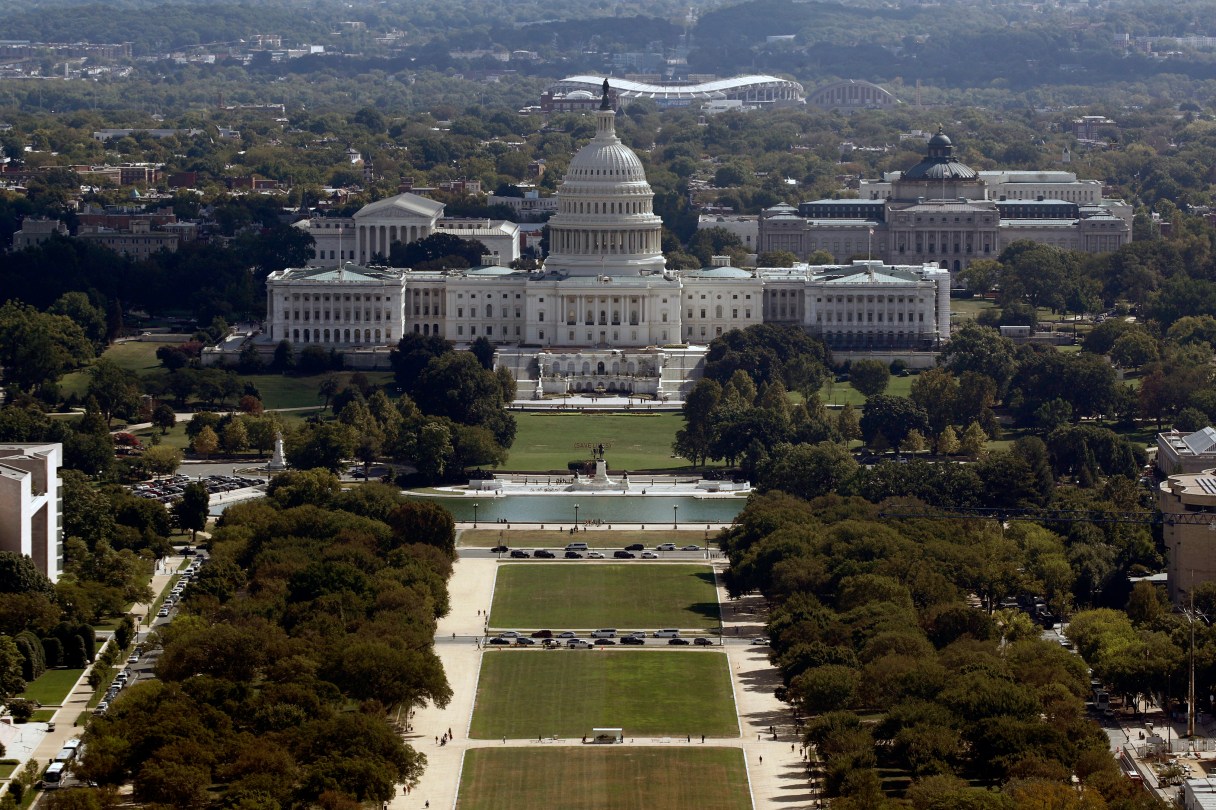
FILE - This Sept. 18, 2019, file photo shows the view of the U.S. Capitol building from the Washington Monument in Washington. The federal government incurred the biggest monthly budget deficit in history in June 2020 as spending on programs to combat the coronavirus recession exploded while millions of job losses cut into tax revenues. The Treasury Department reported Monday, July 13, 2020 that the deficit hit $864 billion last month, an amount of red ink that surpasses most annual deficits in the nation's history and is above the previous monthly deficit record of $738 billion in April.(AP Photo/Patrick Semansky, File)
FILE - This Sept. 18, 2019, file photo shows the view of the U.S. Capitol building from the Washington Monument in Washington. The federal government incurred the biggest monthly budget deficit in history in June 2020 as spending on programs to combat the coronavirus recession exploded while millions of job losses cut into tax revenues. The Treasury Department reported Monday, July 13, 2020 that the deficit hit $864 billion last month, an amount of red ink that surpasses most annual deficits in the nation's history and is above the previous monthly deficit record of $738 billion in April.(AP Photo/Patrick Semansky, File) FILE - This Sept. 18, 2019, file photo shows the view of the U.S. Capitol building from the Washington Monument in Washington. The federal government incurred the biggest monthly budget deficit in history in June 2020 as spending on programs to combat the coronavirus recession exploded while millions of job losses cut into tax revenues. The Treasury Department reported Monday, July 13, 2020 that the deficit hit $864 billion last month, an amount of red ink that surpasses most annual deficits in the nation's history and is above the previous monthly deficit record of $738 billion in April.(AP Photo/Patrick Semansky, File)

Without common sense in government, civilization cannot continue.

After the summer protests and rioting in many large cities, activists demanded a defunding, or at least radical pullbacks, of the police. So-called crime experts often concurred. So some city governments ignored public warnings and diminished their police presence despite a sharp rise in crime in many cities. Looting and arson were often ignored.

Large swaths of the American West are now charred by out-of-control wildfires. Some governors and many federal bureaucrats blame the conflagrations on climate change. But those who actually live within forests, or on mountains and foothills that are historically vulnerable to wildfires know that the epic droughts of 2013-2015 killed or dried out millions of acres of trees and vegetation.

A few veteran forest managers have been proverbial voices in the wilderness in recent years. They warned that ignoring dead trees, limiting the sort of domestic animal grazing that reduces dead brush and dry foliage, forbidding timber companies from harvesting decaying timber and preventing periodic controlled burns were collectively a prescription for the very disasters that now cloud Western skies with fires, smoke and air pollution.

In other words, pragmatic people once understood that tens of millions of dead trees were not to be left alone as mulch for premodern ecosystems.