
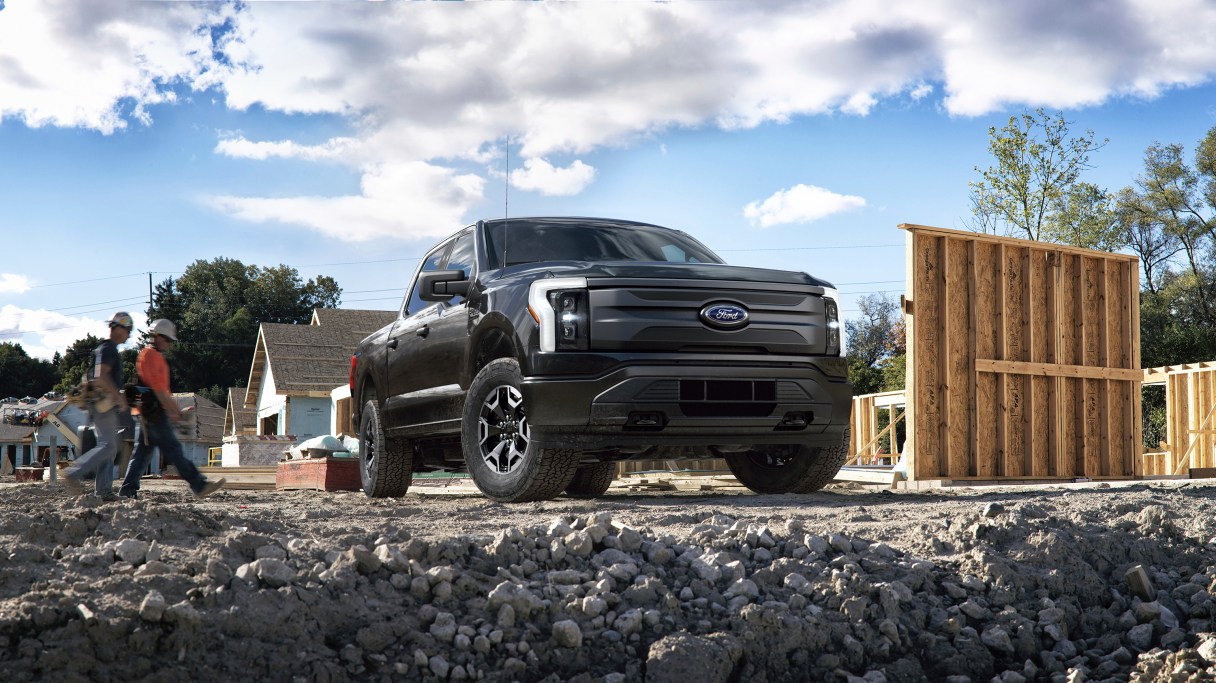
With all the developments in the auto industry you may think your next car will be electric, including a new federal target that would mean half of all new vehicles sold within a decade will have zero emissions. This will be a dramatic shift for car shoppers, and perhaps an unsettling one. With the future landscape in mind, the experts at Edmunds have cut through the misinformation and examined some of the most prevalent EV myths.
HYBRIDS AND EVS ARE TOO EXPENSIVE
Hybrid and fully electric vehicles are more expensive than comparable gasoline-engine cars to purchase initially. But there’s more to the story. After your purchase, you’ll pay less to keep it running. For example, consider the front-wheel-drive 2021 Honda Passport SUV and the rear-wheel-drive electric Ford Mustang Mach-E. The EPA estimates that an average American driver will pay $2,050 a year to gas up the Passport versus just $650 in electricity to drive the Mach-E for a year.
Some estimates say it can take as long as eight years to recover the increased cost of a battery electric vehicle compared to a gas-powered one, but that doesn’t take into account available financial incentives that can significantly reduce that time. Many vehicles are eligible for tax credits, and the amounts vary depending on your location. There is additional cost to have a home charging station installed, but here too incentives can come into play.
EVs also have fewer moving parts than internal combustion vehicles and are less expensive to maintain. Regular oil changes will be a thing of the past, and thanks to regenerative braking – using deceleration to generate power to recharge the battery – you won’t need to replace your brake pads as often.