
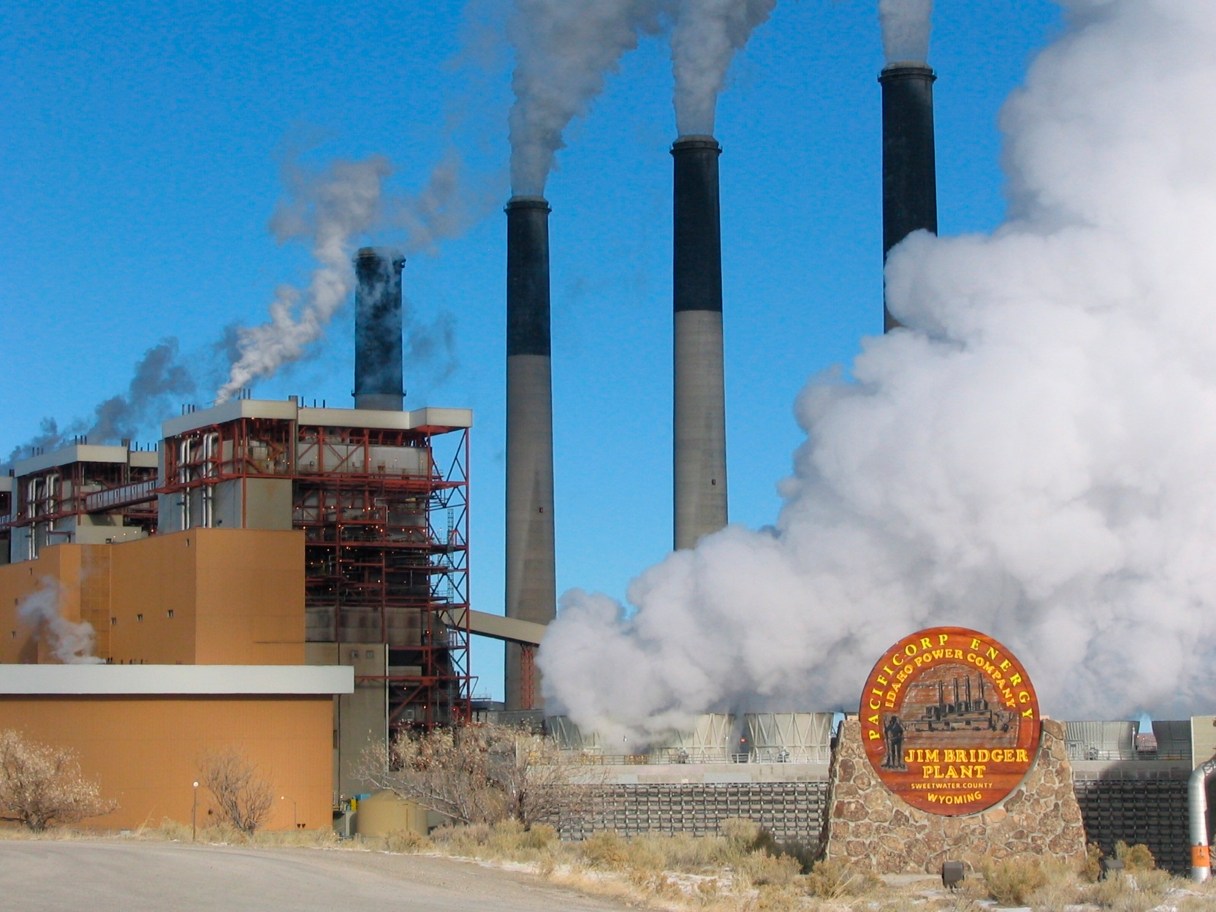
U.S. demand for coal to generate electricity will continue its slide in coming months despite efforts by the Trump administration to prop up the struggling industry, federal officials said Thursday.
Renewable energy sources are expected to fill much of the gap left by coal’s decline, according to the Energy Information Administration.
That’s particularly true for Western states, where wind, solar, hydropower and other renewables will provide almost a quarter of the power to households and businesses during the peak summer season, the agency said in projections released Thursday.
Natural gas will remain the fuel of choice for power generation with an expected 40% share of U.S. markets this summer.
In the Tennessee Valley, TVA President Jeff Lyash told agency directors Thursday that coal will remain part of the utility’s energy mix for years to come, but its share of electricity production is expected to drop to about 20 percent of TVA’s generation, down from a peak in the 1980s when coal produced about two thirds of TVA’s power.
TVA has shut down more than half of the 59 coal-fired units it once operated, including its Widows Creek and Colbert plants in Alabama and the John Sevier, Allen and Johnsonville plants in Tennessee. TVA plans to also shut down its Paradise coal plant in Kentucky and its Bull Run plant near Oak Ridge in Tennessee within the next couple of years.
Under President Donald Trump, officials have sought to ease coal plant regulations and mining restrictions. But after production briefly bumped up in the year after Trump took office, almost all coal mining states are now experiencing production declines.
Wyoming, Kentucky and Texas have seen the biggest drops so far this year. Among the top 10 coal states, only Montana has seen a slight increase in the volume of coal mined in 2019.
Coal’s share of power generation is projected to be 25% this summer. That’s down roughly half over the past decade and follows a wave of coal plant retirements by utilities seeking cheaper and cleaner-burning alternatives.
Beyond the changes in the number and types of power plants are shorter-term price considerations, analyst Stacy Macintyre with the Energy Information Administration said. Utilities this summer will pay about 3 percent more for coal and 12 percent less for natural gas compared with last year, she said.
EIA forecasts that the share of electricity generation from coal will average 24% in 2019 and 22% in 2020, down from 27% in 2018.
The nuclear share of generation nationwide was 19% in 2018, and EIA forecasts that it will stay near that level in 2019 and in 2020.
TVA expects to get about 40 percent of its power from nuclear generation this year and 56 percent of its power load overall will come from non-carbon sources, including nuclear, hydro, solar and wind, Lyash said.