
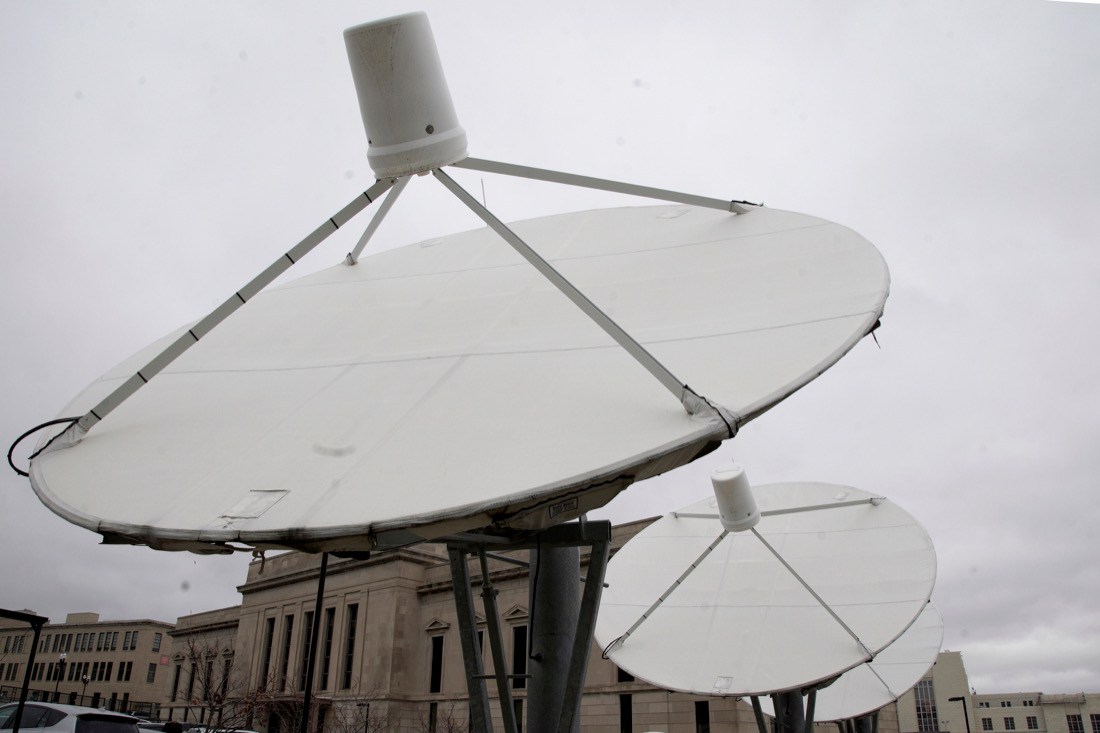
LINCOLN, Neb. (AP) – When Dianne Johnson channel-surfs for news in her rural western Nebraska home, all she sees are stories about Colorado crime and car crashes from a Denver television station more than 200 miles away.
It’s frustrating for the 61-year-old rancher, who wants to know the latest developments in Nebraska politics and sports. When floods devastated huge swaths of Nebraska this year, Johnson struggled to keep tabs on what was happening.
“If we actually had local news, we would watch it,” she said. “But all we get is Colorado drug busts and stories about who got murdered in Denver. It has nothing to do with us.”
Johnson is among an estimated 870,000 households nationwide that receive at least one distant network affiliate’s feed from their satellite TV service providers because they don’t live close enough to get conventional over-the-air signals. With no local TV news stations and a dwindling number of newspapers, many rural Americans are finding it increasingly difficult to track local elections or government decisions that affect their lives.
“It’s your connection to what’s going on in your community,” said Jim Timm, president and executive director of the Nebraska Broadcasters Association.