
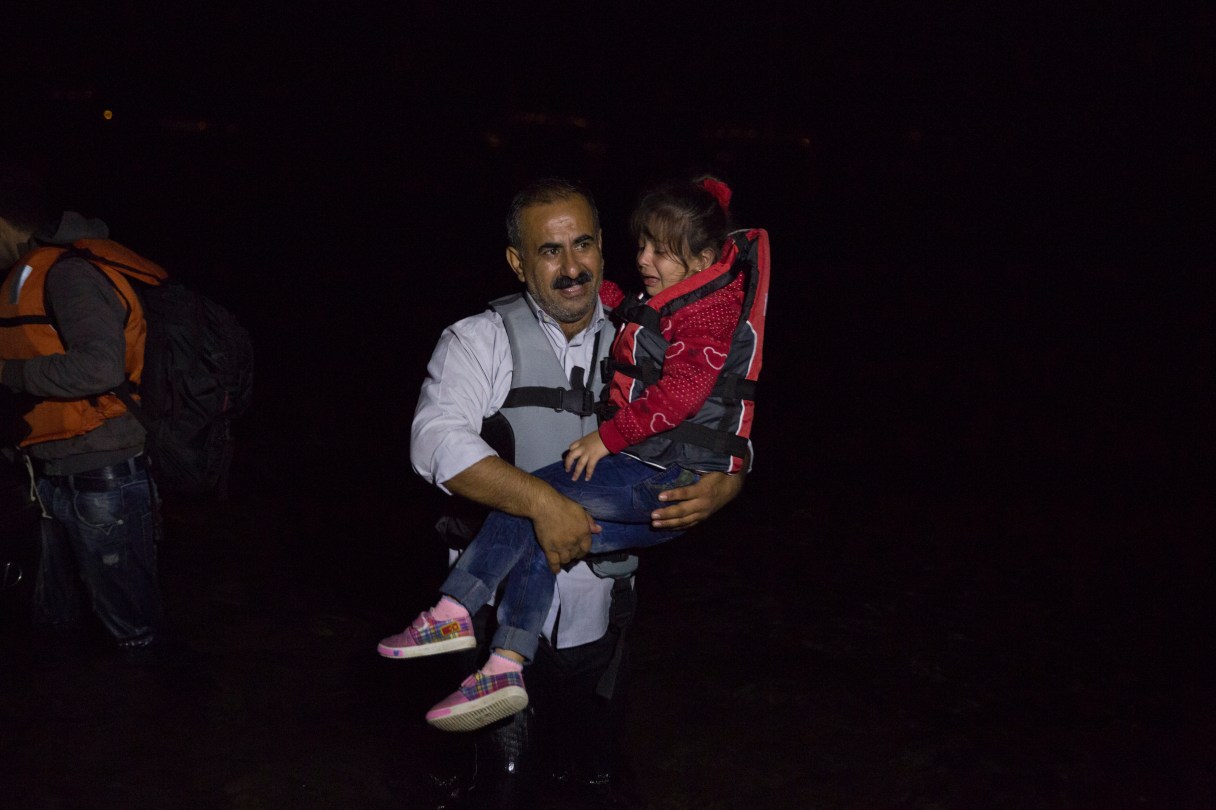
BELGRADE, Serbia (AP) – Conciliation replaced confrontation among European nations which have clashed over their response to a wave of migration, as thousands of asylum seekers streamed into Croatia on Saturday in hopes of chasing a new future in Western Europe.
Hungary has announced that it has removed spools of razor wire from a section of the border with Slovenia, a barrier that had been seen as breaching European Union rules about unrestricted travel within much of its territory. The gesture followed the reopening of the border between Croatia and Serbia.
The concessions, coming two days after a European Union summit on the crisis, suggest that the 28-nation bloc had become alarmed at the lack of cooperation among members and the increasingly ugly tone of their exchanges. The squabbling had hampered efforts to help the people fleeing war and poverty from the Middle East, Africa and Asia.
Hungary’s closure of its border with Serbia on Sept. 15 triggered a series of responses that sent migrants scurrying from one border to the next as they tried to reach Germany, Austria and other European countries that have offered safe haven.
Croatia first welcomed the migrants, thinking they would transit through Slovenia, into Austria and on to Germany. But Slovenia refused to let the people pass, leaving Croatia, one of the poorest EU nations, responsible for them. The government in Zagreb then accused Serbia of shunting the refugees into its territory and closed the cargo crossing in retaliation.