
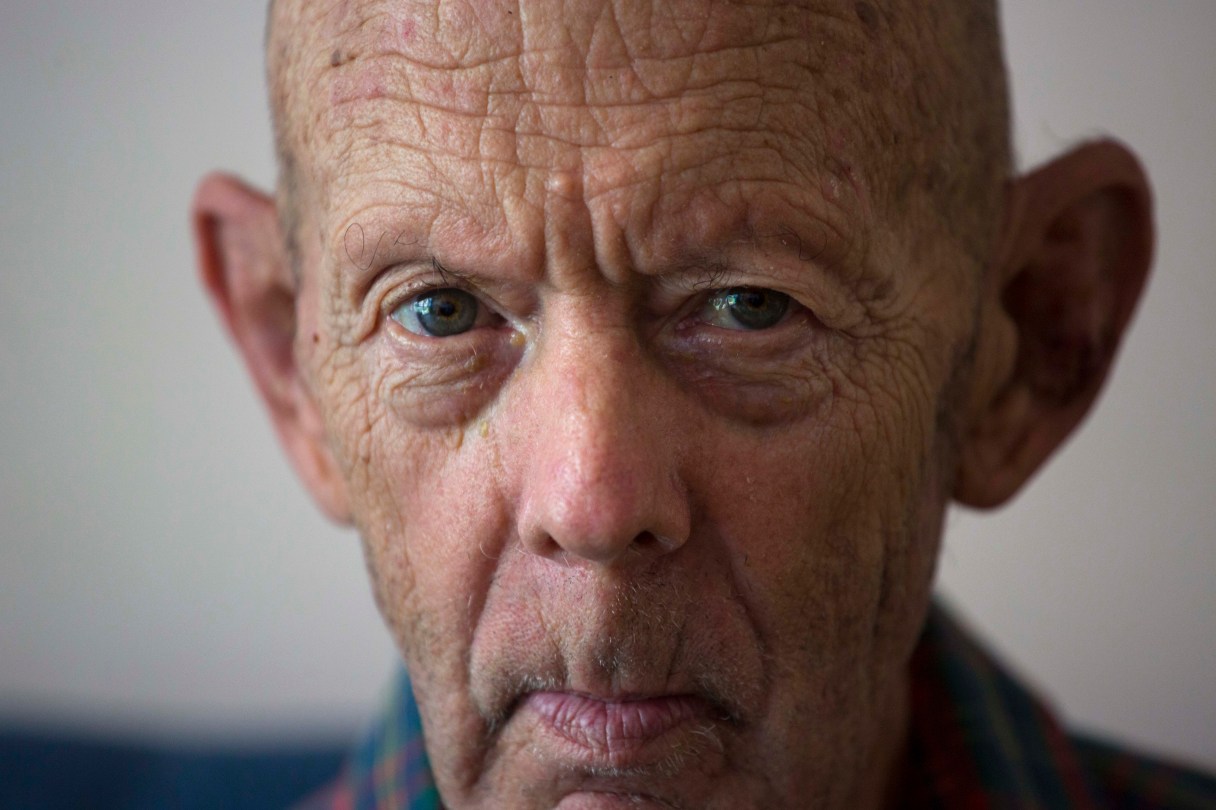
HAVANA (AP) – Otto Macias was 19 when he left Cuba in the throes of a socialist revolution, enlisted in the U.S. Army and went to fight communists as a machine-gunner in Vietnam.
He returned from battle in 1969 – broken and suffering from post-traumatic stress and schizophrenia, his family says. After years of hospitalization in New York, Macias, then a U.S. citizen, was well enough in 1980 to fly to Cuba to visit relatives he hadn’t seen in decades. He never returned.
As he stayed with family in Havana, Macias’ hallucinations became so bad he required hospitalization and constant care from doctors or loved ones, his relatives say. Less than a year later, the U.S. Department of Veterans Affairs cut off his monthly pension of $60 – a large sum for Cuba, where salaries today average about $25 a month. The U.S. agency never explained the cutoff, but the family’s American lawyer says he’s certain it was because of the Unite States’ trade embargo on Cuba.
Now, Macias’ family is suing the U.S. government seeking to reinstate the pension. They say President Barack Obama’s loosening of the embargo offers the ailing 75-year-old a final chance to regain his benefits and win the recognition of the military service that his adopted country has denied him for 35 years.
“It’s about justice,” said Macias’ niece, Anitica. “He was on the battlefield … he dedicated his life to that. He mutilated his life. He didn’t have a family because of it. They need to pay attention to him; they owe him an explanation. They need to recognize him.”