
Friday, November 13, 2026Nov 13

Japanese nuclear plant deemed safe, nears restart

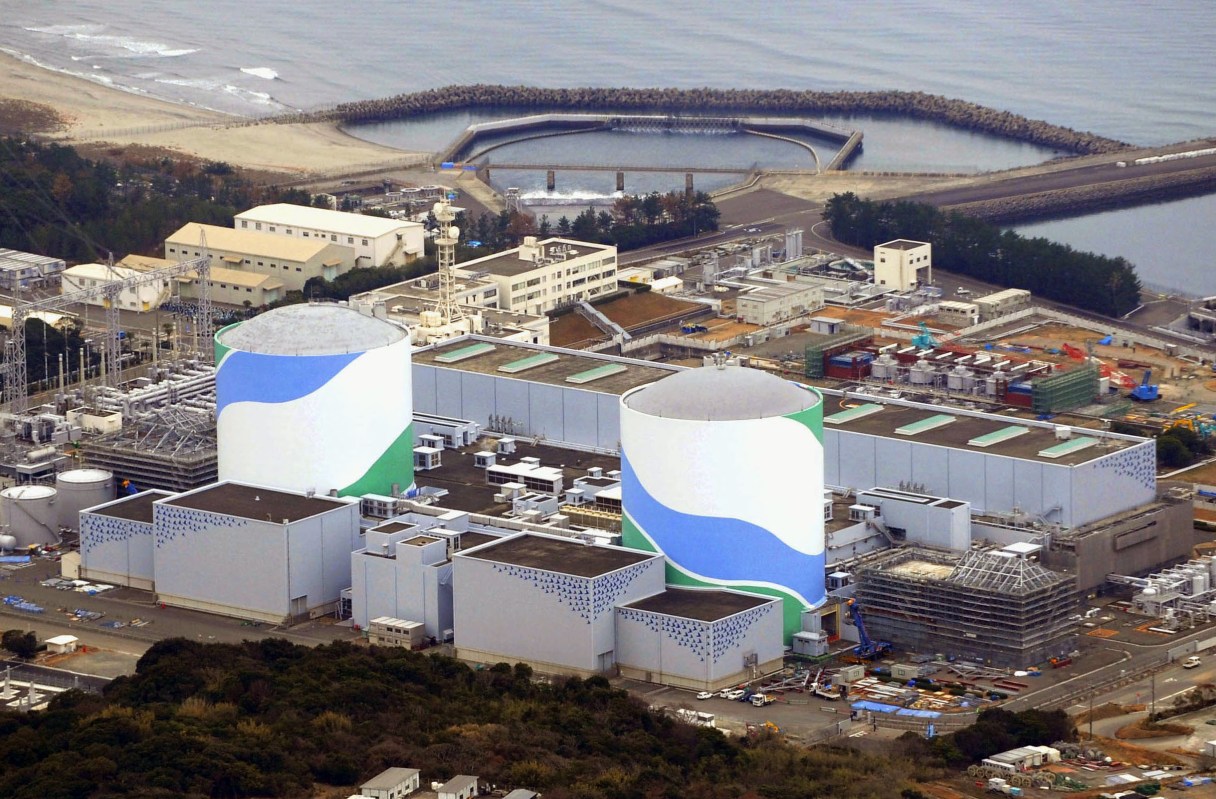
This photo taken in January, 2014 shows Sendai Nuclear Power Station in Sendai, Kagoshima prefecture, southern Japan. The nuclear power plant in southern Japan has received a passing grade for safety requirements raised after the Fukushima disaster, clearing a major hurdle toward becoming the first to restart under the tighter rules. The Nuclear Regulation Authority gave preliminary approval Wednesday, July 16, 2014 to a report that concludes that two reactors at Sendai Nuclear Power Station have complied with the new regulations and are capable of avoiding disasters such as the Fukushima Dai-ichi meltdowns, even if the plant faces equally harsh conditions. (AP Photo/Kyodo News) JAPAN OUT, MANDATORY CREDIT

TOKYO (AP) – A Japanese nuclear plant won preliminary approval Wednesday for meeting stringent post-Fukushima safety requirements, clearing a major hurdle toward becoming the first to restart under the tighter rules.

The Nuclear Regulation Authority accepted a report that found that design upgrades and safety improvements at Kyushu Electric Power Co.’s two reactors at the Sendai Nuclear Power Station have complied with the requirements introduced last July.

The regulators said the plant is now deemed capable of avoiding severe accidents such as the Fukushima Dai-ichi meltdowns in an equally serious situation.

The authority is expected to give final approval after a 30-day technical and scientific public comment period.

Prime Minister Shinzo Abe is pushing to bring at least some of Japan’s 48 reactors back online, saying a prolonged shutdown hurts Japan’s economy.