
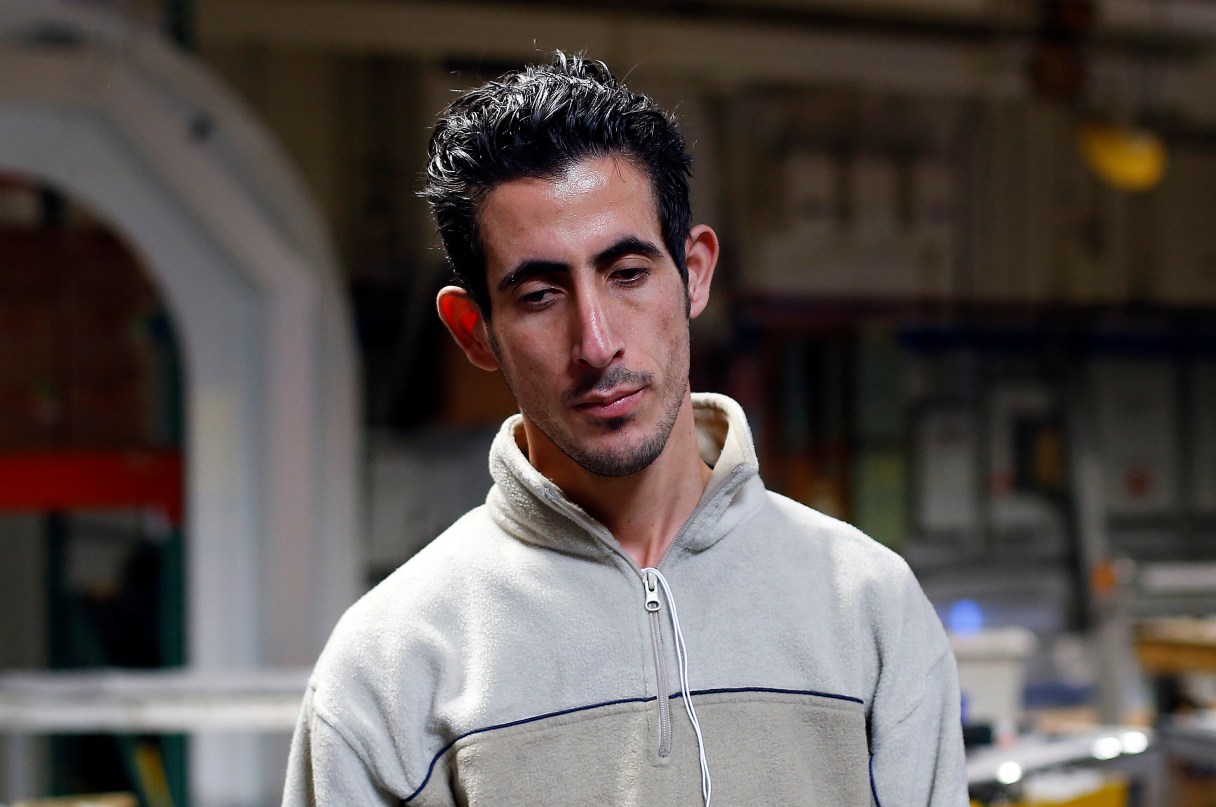
WASHINGTON (AP) – Hundreds of thousands of Syrians have fled that country to escape the ongoing civil war there. Migrants have trekked across Turkey, landing first in Greece, before making their way into Europe. European authorities have been overwhelmed by the mass migration. Meanwhile, the United States has announced plans to accept about 10,000 Syrian refugees trying to leave the region.
Lawmakers and more than half of U.S. governors, mostly Republicans, have raised questions about the vetting process for Syrian refugees being brought to the United States. Some said they were worried that Islamic extremists may try to take advantage of the U.S. refugee process.
Here are a few things to know:
– The U.S. annually accepts 70,000 refugees from around the world. This group includes people fleeing violence, religious persecution and war. The Obama administration announced earlier this year that the number of people invited to move to the U.S. as refugees would be increased to 85,000 in the coming year, including about 10,000 Syrians.
– The U.S. has helped resettle about 2,500 Syrian refugees since the war started in that country in 2011. The Obama administration said about half that group is children, while about 2.5 percent are people over the age of 60 and roughly 2 percent are single men of combat age. The overall group is almost evenly split among men and women.