
Friday, November 13, 2026Nov 13

Cable company Charter says no interest in buying Sprint

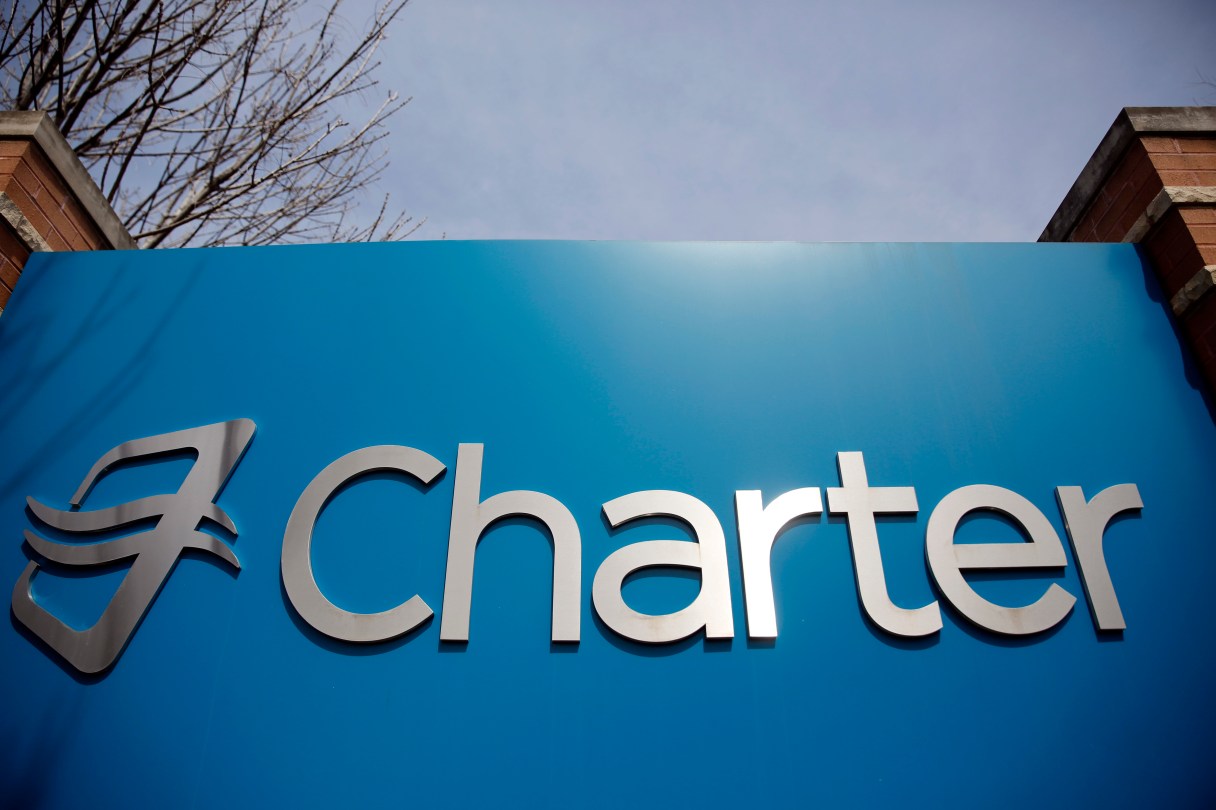
FILE - This Wednesday, April 1, 2015, file photo shows an entrance to Charter Communications' headquarters in Town and Country, Mo. Charter, one of the largest cable companies in the U.S., says it’s not interested in buying wireless carrier Sprint, the fourth-largest carrier in the U.S. According to published reports, Sprint had proposed an acquisition by Charter. Sprint didn’t answer a request for comment Monday, July 31, 2017. (AP Photo/Jeff Roberson, File)
FILE - This Wednesday, April 1, 2015, file photo shows an entrance to Charter Communications' headquarters in Town and Country, Mo. Charter, one of the largest cable companies in the U.S., says it’s not interested in buying wireless carrier Sprint, the fourth-largest carrier in the U.S. According to published reports, Sprint had proposed an acquisition by Charter. Sprint didn’t answer a request for comment Monday, July 31, 2017. (AP Photo/Jeff Roberson, File) FILE - This Wednesday, April 1, 2015, file photo shows an entrance to Charter Communications' headquarters in Town and Country, Mo. Charter, one of the largest cable companies in the U.S., says it’s not interested in buying wireless carrier Sprint, the fourth-largest carrier in the U.S. According to published reports, Sprint had proposed an acquisition by Charter. Sprint didn’t answer a request for comment Monday, July 31, 2017. (AP Photo/Jeff Roberson, File)

NEW YORK (AP) – Charter, one of the largest cable companies in the U.S., says it’s not interested in buying wireless carrier Sprint.

Sprint, the fourth-largest carrier in the U.S., is unprofitable and has a lot of debt. According to published reports , Sprint had proposed an acquisition by Charter. Sprint didn’t answer a request for comment Monday.

Sprint’s CEO has also talked this year about the benefits of combining with T-Mobile, the No. 3 mobile carrier. The two walked away from doing a deal during the Obama administration because of regulatory opposition.

Telecom companies are eying one another as consumers are increasingly drawn to watching video on their phones. Combining forces could help companies sell packages of cellphone, home internet and video service. Companies could also save money as they invest in higher-speed networks.