
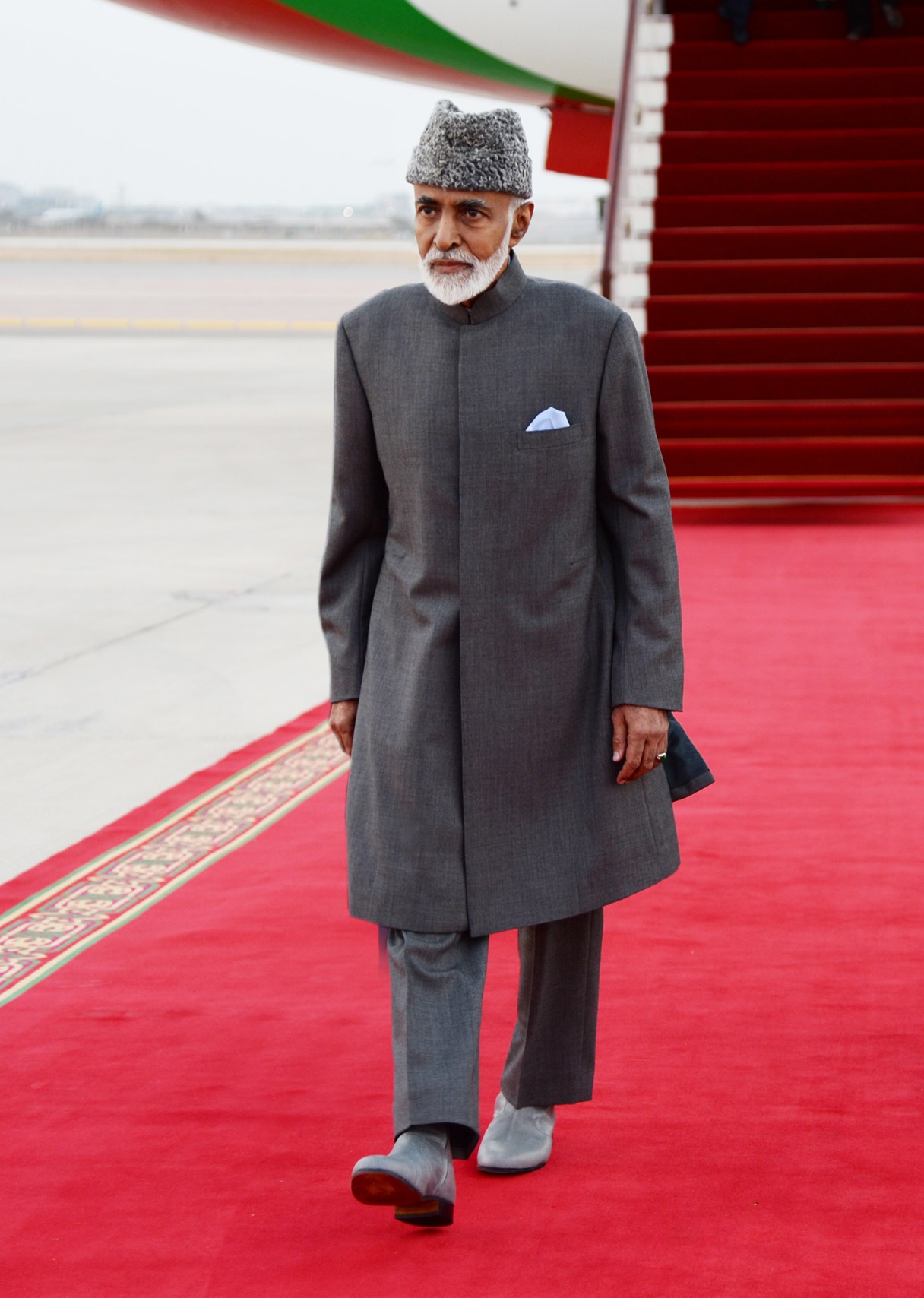
DUBAI, United Arab Emirates (AP) – The two American hostages, freed after months of being held hostage in Yemen’s raging civil war, took their first steps to freedom down a staircase pushed against a gleaming Oman royal air force jet.
It’s not the first time a scene like this has played out in recent years as the unassuming sultanate of Oman wields its influence as one of the Middle East’s most useful go-to mediators of thorny disputes.
From hosting secret talks between Washington and Tehran over the Islamic Republic’s contested nuclear program to seeking a negotiated resolution in Yemen, Oman has struggled to keep the peace among the much larger powers that surround it, including archrivals Saudi Arabia and Iran.
“Because of its location, and because of the very limited resources in Oman, Omanis have learned how to actually be diplomats, how to be mediate, how to connect,” said Ahmed al-Mukhaini, an Omani political analyst. “This connection to the world seems to have continued and became a residue within the Omani culture.”
The most recent example of Oman’s diplomacy under Sultan Qaboos bin Said came Sunday night, when it announced that it had negotiated the release of two Americans, three Saudis and a British citizen held by Yemen’s Shiite Houthi rebels, without elaborating on the terms of their release.