
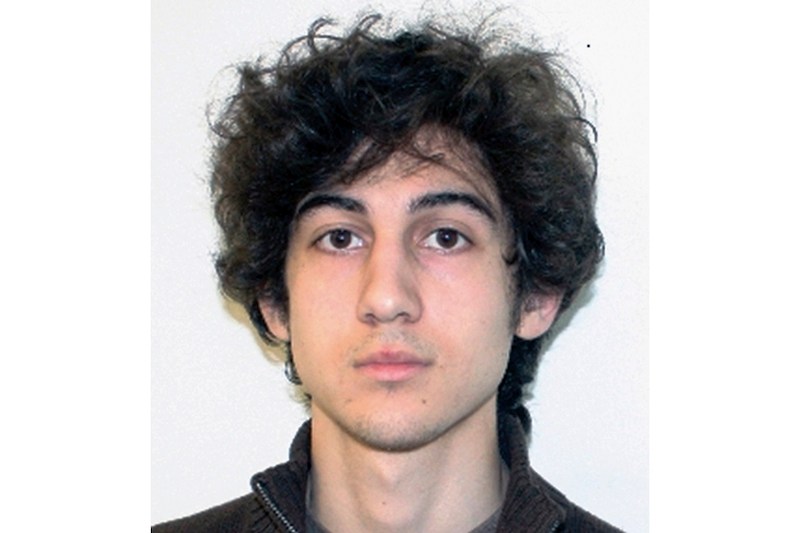
WASHINGTON (AP) – The Justice Department will seek to reinstate a death penalty for Dzhokhar Tsarnaev, the man who was convicted of carrying out the 2013 Boston Marathon bombing, Attorney General William Barr said Thursday.
In an interview with The Associated Press, Barr said the Justice Department would appeal the court’s ruling last month that tossed Tsarnaev’s death sentence and ordered a trial to determine whether he should be executed for the attack that killed three people and wounded more than 260 others. Barr said the Justice Department would take the matter to the U.S. Supreme Court.
“We will do whatever’s necessary,” Barr said. “We will take it up to the Supreme Court and we will continue to pursue the death penalty.”
Under Barr, the Justice Department has again begun carrying out federal executions, putting three men to death so far and scheduling at least three others next week and in September, despite the coronavirus pandemic and waning public support for the death penalty. Barr has said it is the Justice Department’s duty to carry out the sentences imposed by the courts – including the death penalty – and to deliver justice for the families of the victims.
A three-judge panel of the 1st U.S. Circuit court found in July that the judge who oversaw the 2015 trial did not adequately question potential jurors about what they had read or heard about the highly publicized case.