
Friday, November 13, 2026Nov 13

China’s 2Q economic growth steady, signaling stabilization

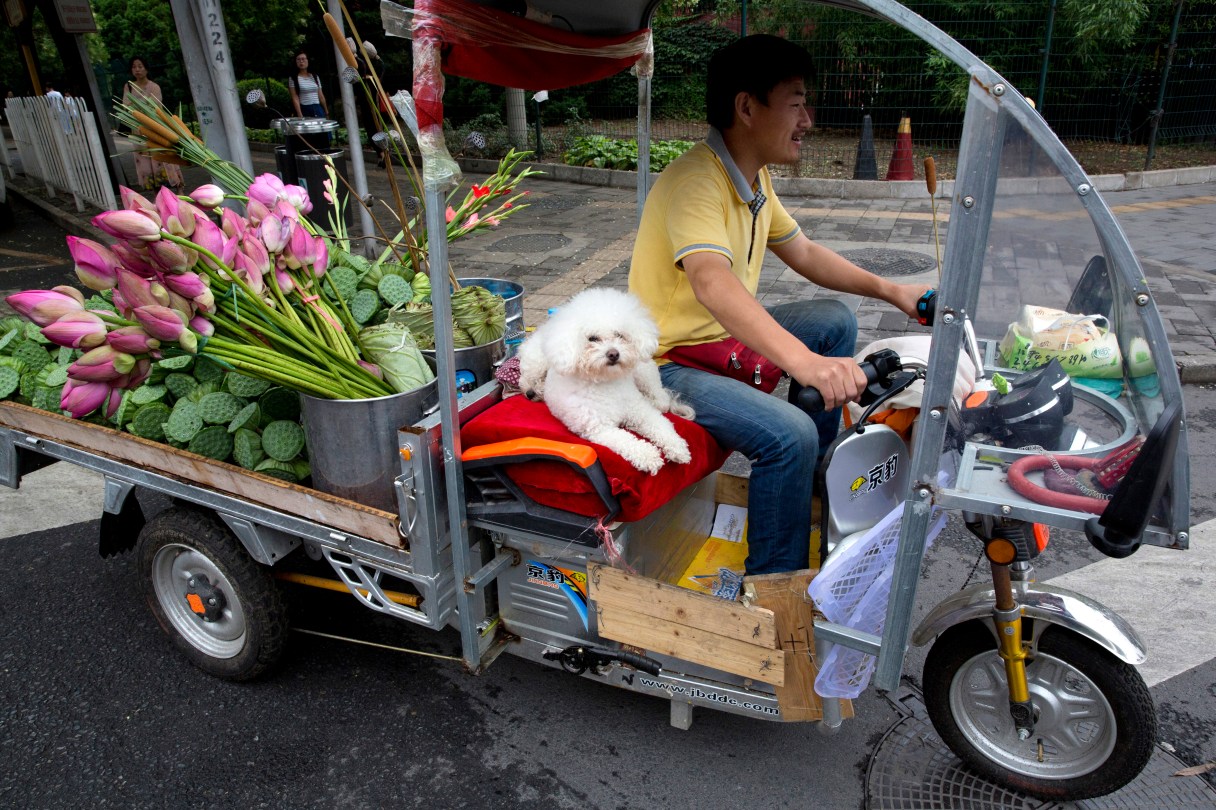
A man delivers lotus flowers with his dog for company on the streets of Beijing, China, Friday, July 15, 2016. China's economic growth held steady in the most recent quarter, according to official data released Friday, indicating policies meant to counter the slowdown in the world's second biggest economy are paying off for the moment.(AP Photo/Ng Han Guan)
A man delivers lotus flowers with his dog for company on the streets of Beijing, China, Friday, July 15, 2016. China's economic growth held steady in the most recent quarter, according to official data released Friday, indicating policies meant to counter the slowdown in the world's second biggest economy are paying off for the moment.(AP Photo/Ng Han Guan) A man delivers lotus flowers with his dog for company on the streets of Beijing, China, Friday, July 15, 2016. China's economic growth held steady in the most recent quarter, according to official data released Friday, indicating policies meant to counter the slowdown in the world's second biggest economy are paying off for the moment.(AP Photo/Ng Han Guan)

HONG KONG (AP) – China’s economic growth held steady in the most recent quarter, suggesting policies meant to counter the slowdown in the world’s second biggest economy are paying off for the moment.

The economy expanded at a 6.7 percent annual pace in the April-June period compared with a year earlier, according to data released Friday that generally matched expectations.

That pace matched the first quarter’s level, which was already the lowest since early 2009, when growth slumped to 6.2 percent amid the turmoil of the global financial crisis.

China’s economy posted its slowest annual growth in a quarter century of 6.9 percent last year and is expected to slow further this year, with officials targeting a 6.5 percent-7 percent expansion.

Growth is slowing as China’s communist leaders seek to wean the economy off manufacturing, exports and wasteful and inefficient spending on infrastructure. They want growth to be centered on self-sustaining services and private consumption but the transition is proving to be tricky.