
Friday, November 13, 2026Nov 13

Nigeria’s home-grown Islamic uprising poses regional threat

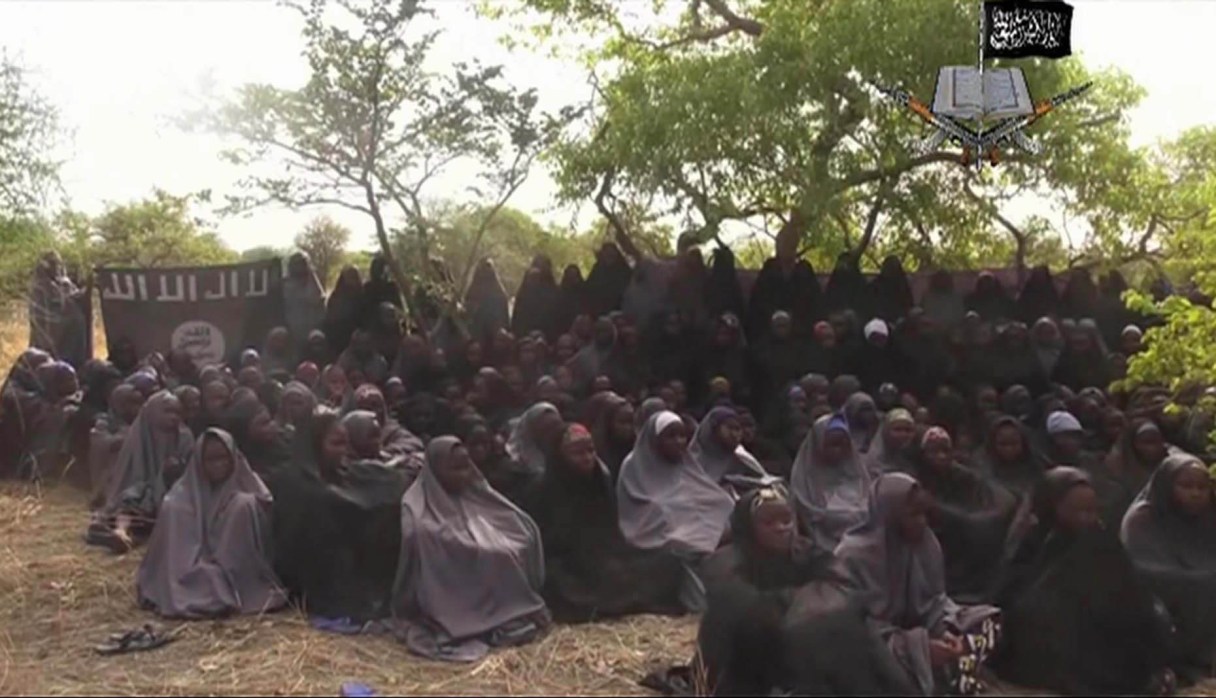
FILE - This Monday May 12, 2014 file image taken from video by Nigeria's Boko Haram terrorist network, shows the alleged missing girls abducted from the northeastern town of Chibok. Islamic extremists killed 35 people and kidnapped at least 185, fleeing residents said Thursday of an attack near the town where nearly 300 schoolgirls were taken hostage in April. Teenager Aji Ibrahim said he was lucky to escape into the bushes. "No doubt they were Boko Haram members because they were chanting "Allahu akbar" (God is Great) while shooting at people and torching houses," he told The Associated Press. (AP Photo/File)
FILE - This Monday May 12, 2014 file image taken from video by Nigeria's Boko Haram terrorist network, shows the alleged missing girls abducted from the northeastern town of Chibok. Islamic extremists killed 35 people and kidnapped at least 185, fleeing residents said Thursday of an attack near the town where nearly 300 schoolgirls were taken hostage in April. Teenager Aji Ibrahim said he was lucky to escape into the bushes. "No doubt they were Boko Haram members because they were chanting "Allahu akbar" (God is Great) while shooting at people and torching houses," he told The Associated Press. (AP Photo/File) FILE - This Monday May 12, 2014 file image taken from video by Nigeria's Boko Haram terrorist network, shows the alleged missing girls abducted from the northeastern town of Chibok. Islamic extremists killed 35 people and kidnapped at least 185, fleeing residents said Thursday of an attack near the town where nearly 300 schoolgirls were taken hostage in April. Teenager Aji Ibrahim said he was lucky to escape into the bushes. "No doubt they were Boko Haram members because they were chanting "Allahu akbar" (God is Great) while shooting at people and torching houses," he told The Associated Press. (AP Photo/File)

MAIDUGURI, Nigeria (AP) – Thousands of members of Nigeria’s home-grown Islamic extremist Boko Haram group strike across the border in Cameroon, with coordinated attacks on border towns, a troop convoy and a major barracks.

Further north, Boko Haram employs recruits from Chad to enforce its control in northeastern Nigerian towns and cities.

In Niger, the government has declared a “humanitarian crisis” and appealed for international aid to help tens of thousands of Nigerian refugees driven from their homes by the insurgency.

These recent events show how neighboring countries are increasingly being drawn into Nigeria’s Islamic uprising. Thousands of people have been killed in Nigeria’s 5-year insurgency and some 1.6 million people driven from their homes.

“We are concerned about the increasing regionalization of Boko Haram,” said Comfort Ero, Africa director for the International Crisis Group. The countries have been slow to recognize “the gravity and extent of the threat from Boko Haram.”