
Unfortunately for Jesse Messimer, there is no shopping mall in Rhea County.
There aren’t as many movie theaters, fancy restaurants or cultural activities as there are in Chattanooga, either, he said.
“And we have poor cell service,” Mr. Messimer said.
So when the Rhea County High School principal is trying to recruit teachers to his building, it can be difficult to lure them, especially younger ones.
“In the past, we’ve had jobs we couldn’t fill because we cannot get the applicants,” he said. “A large system, you might get 100 applicants; we may get two.”
PDF: Race to the Top application
Much of rural Tennessee is in the same situation as Rhea County, which is why state officials included a plan to improve teacher recruitment for rural schools in Tennessee’s winning application for federal Race to the Top money.
Part of the state’s $501 million winnings will be used to fund a four-year study looking at why administrators have trouble getting teachers to rural areas and what they should do to keep them once they are there, said Amanda Anderson, spokeswoman for the Tennessee Department of Education.
“We’re looking at some outside organizations that could help us do that,” she said.
When he announced Tennessee as a Race to the Top winner, U.S. Education Secretary Arne Duncan specifically mentioned the teacher-recruiting plan as one reason the state won the federal money.
Tennessee Education Commissioner Tim Webb said the study also will look at hard-to-staff schools in urban areas and what makes teachers want to work there long term.
He said some ideas might include giving a sabbatical or some time off to teachers who work at a hard-to-staff school to help them avoid burning out.
“Traditionally we’ve just tried to throw money at the problem, but that obviously hasn’t worked,” he said. “We just don’t have the answers, so we’re really seeking them.”
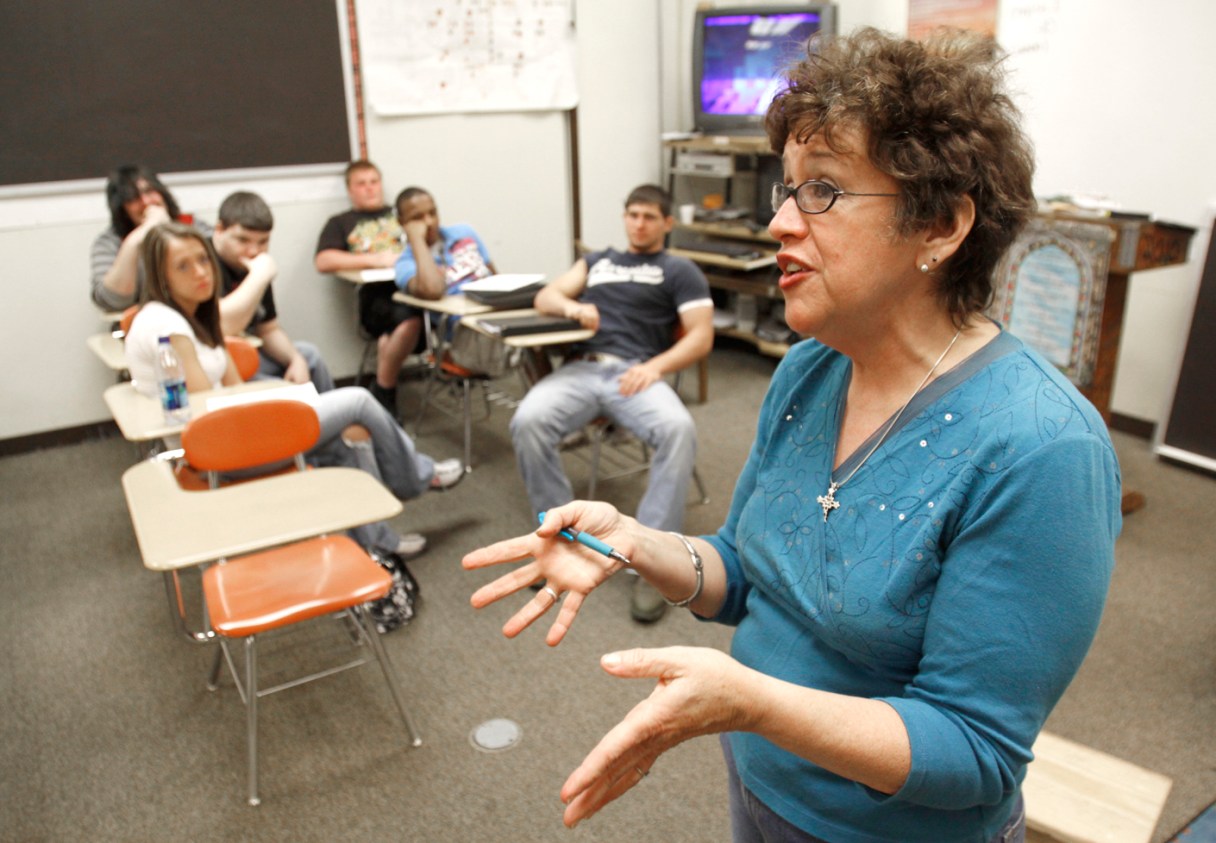
Valerie Cannon took a $10,000 pay cut when she left Hamilton County Schools and started teaching English at Rhea County High. She understands why some teachers may be hesitant to trade city life for teaching in the country, but she believes the pros outweigh the cons.
“The continuity of living in a community. … I live here, I raised my kids here. It’s kind of Andy in Mayberry,” she said.
English teacher Brandi Groce said she wishes more young teachers would consider working in Rhea County or other rural districts. Ms. Groce, who has taught at Rhea County High for three years, said she didn’t even consider the rural school until she didn’t get any job offers from Hamilton County after becoming licensed.
A native of Soddy-Daisy, Ms. Groce said she has connected with her students in Rhea County and can’t imagine working anywhere else.
“I live seven minutes from Soddy-Daisy High School, but if they offered me a job I probably wouldn’t take it,” she said.
Follow Kelli Gauthier on Twitter at twitter.com/gauthierkelli.