
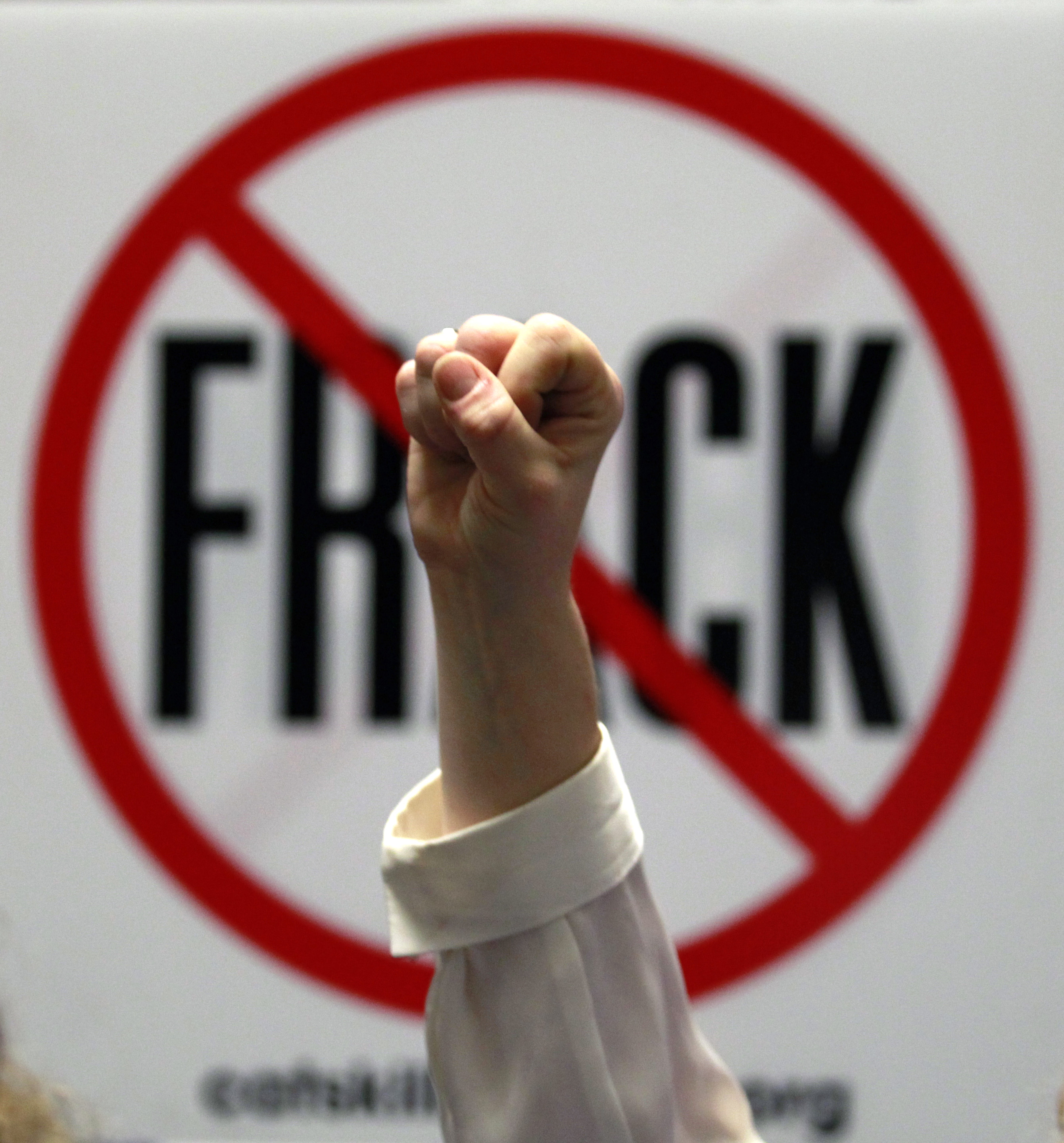
 Fracking
Tennessee for years has had a few lightly regulated natural gas wells in several north Tennessee counties. But with the rise of new techniques for hydraulic fracturing, or “fracking,” of deep shale deposits to release natural gas, those counties and others in northwest and southeast Tennessee – including Hamilton County – are now expected to become players in the national shale fracking industry. That may enrich the gas industry, but under the state’s lamentably lax environmental laws, fracking is likely to threaten public water supplies with toxic pollution, and run the risk of air contaminated by radon, methane and other potent toxins.
Though outrageous, this isn’t unusual. When it comes to fracking, the federal Environmental Protection Agency has been politically hamstrung since the Reagan administration by major oil and gas lobbies. Even now, the EPA has been restricted by political leaders and Congress from developing comprehensive, effective national standards for the use and disposal of millions of gallons of toxic chemicals and fluids that are commonly used to force natural gas out of fractured shale deposits that lie more 5,000 feet underground.
Tennessee and other state governments are even more subject to anti-regulation bias and industry lobbyists. They have similarly failed to enact standards that protect the public’s interest in safe and clean water supplies and clean air. News reports on fracking around the country confirm the dire problem of lax regulation. And reports by this newspaper’s Pam Sohn over the past week bear witness to this surging conflict in Tennessee.
The University of Tennessee, for example, has put its agricultural department’s 8,636-acre publicly owned Cumberland Forest land in northeast Tennessee quietly on the table for negotiations for fracking leases with companies looking for gas, coal-bed methane and oil deposits. The proposal was fast-tracked, without transparency and a fair public forum, to the executive subcommittee of the State Building Commission last Thursday.
Documents on the proposal requested in December by the Nashville office of the Southern Environmental Law Center were wrongly withheld on the specious grounds that they were not official until the proposal was approved. Sohn’s request for the documents was similarly denied last week on the same illogical grounds.