
Monday, November 16, 2026Nov 16

Supreme Court puts hold on Louisiana abortion clinic law

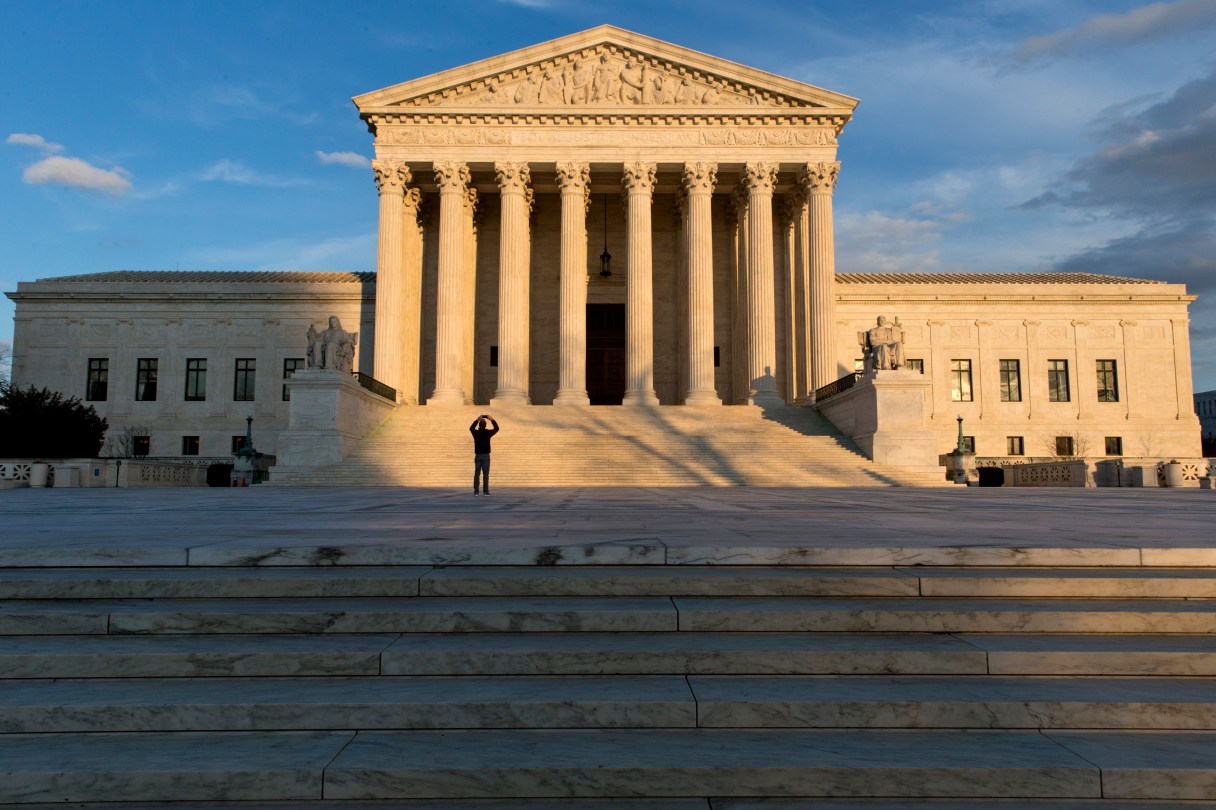
In this Feb. 17, 2016 photo, the Supreme Court is seen in Washington. The Supreme Court on March 4 blocked enforcement of a Louisiana law that could force all but one of the state's abortion clinics to close, a sign that a similar law in Texas also could be in peril. The justices effectively reversed an order by the federal appeals court in New Orleans that allowed Louisiana to begin enforcing its 2014 clinic regulation law even as it is being challenged in the courts. The law requires doctors who provide abortions to have admitting privileges at nearby hospitals. (AP Photo/J. Scott Applewhite)

WASHINGTON (AP) – The Supreme Court on Friday blocked enforcement of a Louisiana law that could force all but one of the state’s abortion clinics to close, a sign that a similar law in Texas also could be in peril.

The justices effectively reversed an order by the federal appeals court in New Orleans that allowed Louisiana to begin enforcing its 2014 clinic regulation law even as it is being challenged in the courts.

The law requires doctors who provide abortions to have admitting privileges at nearby hospitals.

The legal group representing the clinics says facilities in Baton Rouge and Bossier City already have had to stop providing abortions and a clinic in Shreveport would have to stop providing abortions soon.

The justices’ order, with only Justice Clarence Thomas noting his dissent, came two days after the court heard arguments in a major abortion case from Texas and just hours after the Supreme Court voted in a private meeting on the outcome of that case.