
WASHINGTON (AP) – A bipartisan Senate effort to continue federal payments to insurers and avert a costly rattling of health insurance markets faces a dicey future. The uncertainty shows that last week’s wreck of the Republican drive to repeal the Affordable Care Act hasn’t blunted the issue’s sharp-edged politics.
President Donald Trump is threatening to halt the payments in hopes of forcing Democrats to negotiate an end to the Obama-era law. The insurance industry and lawmakers from both parties say blocking the money would lead insurers to raise premiums for people buying individual policies and might induce companies to abandon some markets.
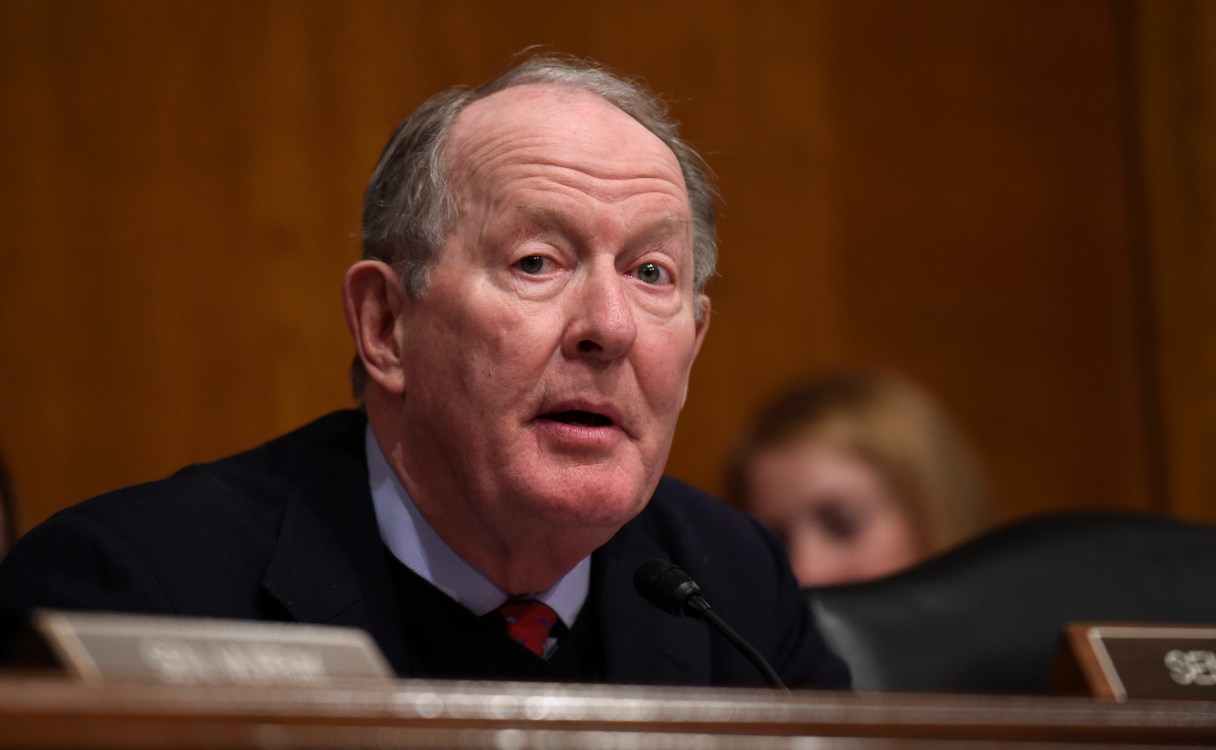
Into the fray has stepped Sen. Lamar Alexander, R-Tenn., chairman of the Senate Health, Education, Labor and Pensions Committee.
He said he will work with the committee’s top Democrat, Sen. Patty Murray of Washington state, on a bill next month that would pay insurers through 2018. In exchange, he wants Democrats to agree to make it easier for states to choose their own health coverage standards that insurers must provide, and not heed consumer-friendly requirements of former President Barack Obama’s law.
While that is an idea Democrats say they will discuss, it’s unclear whether the two parties can reach a deal.